















































Waarom startups en investeerders kiezen voor IP Defender
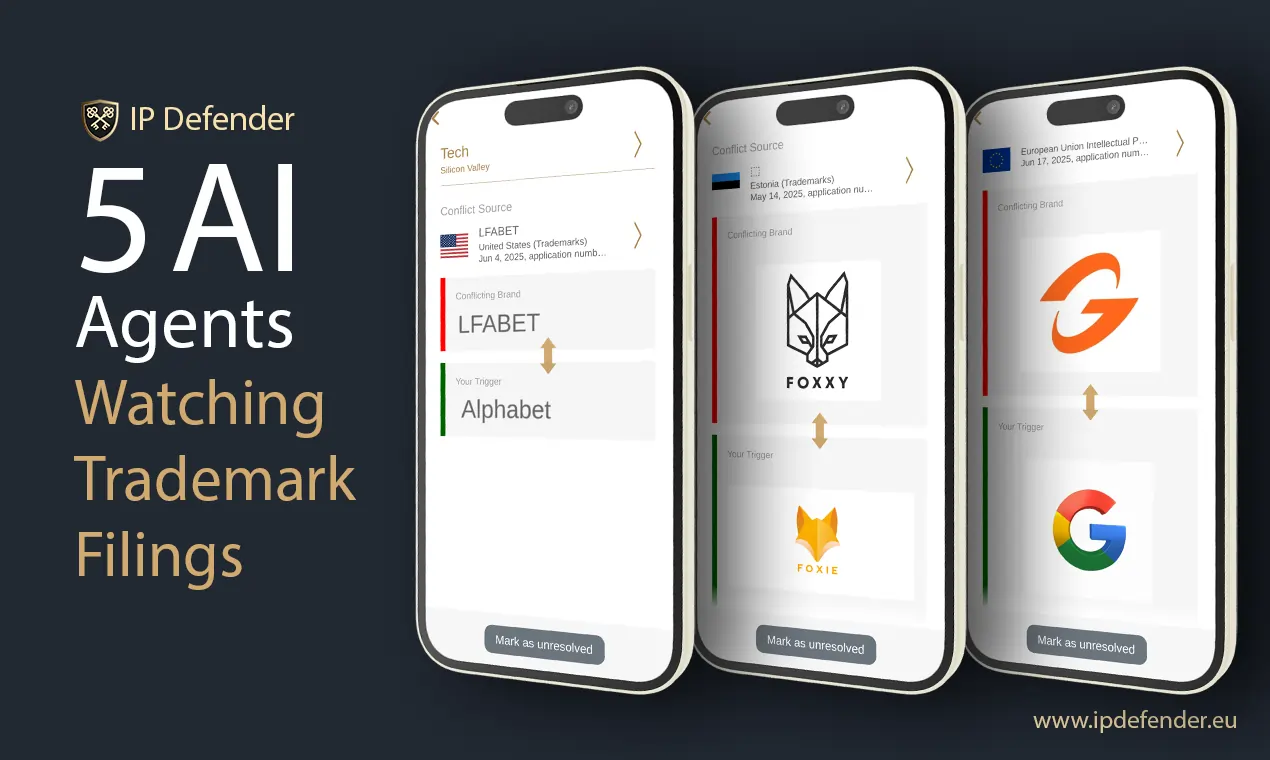
- Lagere juridische kosten: Bespaar op juridische kosten door inbreuken tijdig te signaleren tijdens de . Zo voorkom je dure rechtszaken.
- Een sterker merkenportfolio: Behoud een verdedigbaar merkenportfolio dat discipline uitstraalt naar investeerders en kopers, zodat de waarde en groei van uw merk beschermd blijven.
- Versterk uw juridische positie: Leg zorgvuldig vast van uw inspanningen op het gebied van merkbescherming om een stevige juridische basis op te bouwen voor potentiële conflicten.
- Versterk het vertrouwen in uw merk: Houd concurrenten onder controle en bescherm de waardevolle reputatie van uw merk met onze dienst.
Risico's van het niet monitoren van merken en handelsnamen op inbreuk
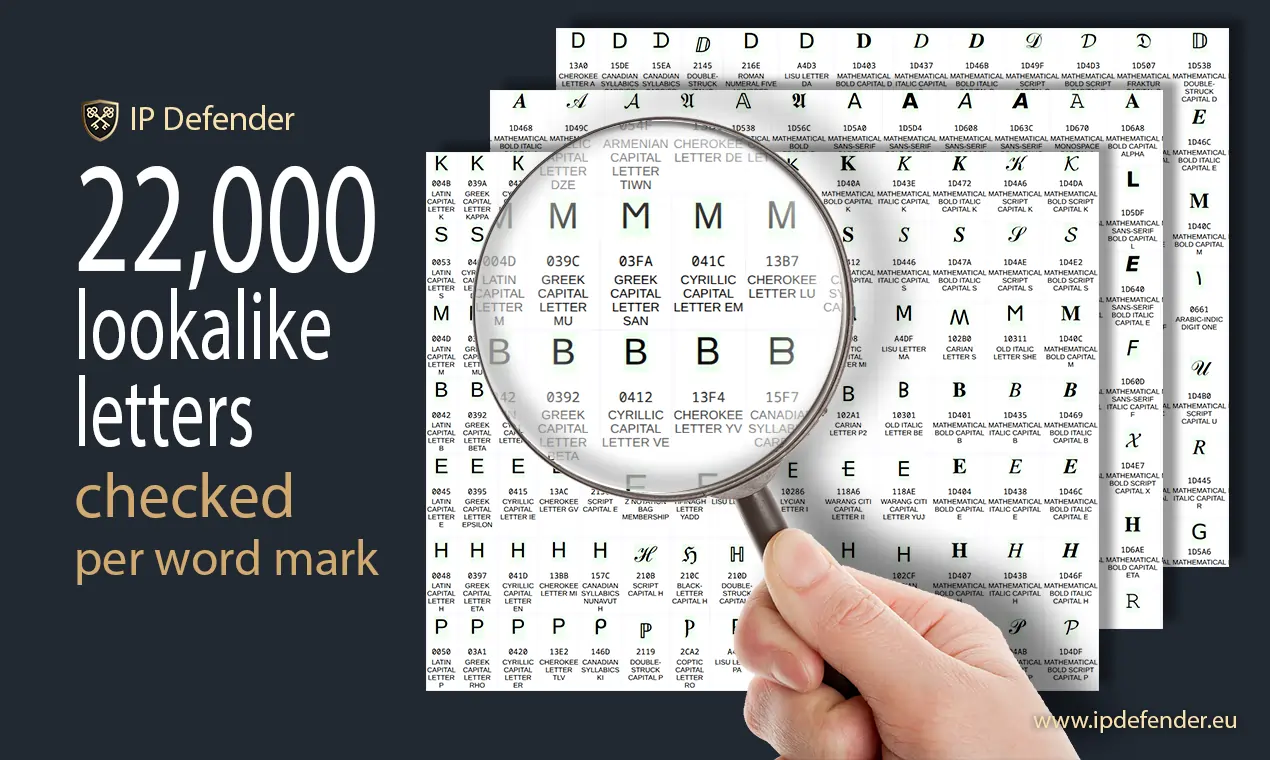
- Fusies en Overnames: Lacunes in merkenportefeuilles kunnen na een fusie tot juridische problemen leiden, wat potentiële kopers of investeerders afschrikt.
- Reputatieschade: Inbreukmakers kunnen vergelijkbare namen registreren, wat klanten in de war brengt en de reputatie van uw merk schaadt.
- Verlies van Juridische Rechten: Door uw merk niet actief te monitoren en te handhaven, ondermijnt u uw juridische bescherming en loopt u het risico op .
- Wereldwijde risico's op merkinbreuk: Inbreukmakers kunnen merken in meerdere landen registreren zonder dat dit wordt opgemerkt, wat wereldwijde merkbescerming bemoeilijkt.
Uw merk is uw waardevolste bezit
Voor startups die hun waardering willen verhogen en voor investeerders die hun portefeuillebedrijven beschermen, is het oordeel van bedrijfsleiders en juridische autoriteiten eenduidig: uw merk is uw belangrijkste activa, en de bescherming ervan is niet onderhandelbaar.
Uw merk is de allerbelangrijkste investering die u in uw bedrijf kunt doen.
Van alles wat uw bedrijf bezit, zijn merken veruit het belangrijkste én het meest kwetsbaar.
Merkhouders moeten hun merken waakzaam bewaken om verwatering en inbreuk te voorkomen; het nalaten hiervan kan leiden tot verlies van hun rechten.
Waarom kiezen voor IP Defender?
Van start-ups in de vroege fase tot door investeerders gesteunde groeibedrijven: IP Defender levert merkbewaking op ondernemingsniveau tegen prijzen die geschikt zijn voor start-ups.

- Bewezen expertise: Sinds 2015 vertrouwd; we hebben onze algoritmes geperfectioneerd voor ongeëvenaarde nauwkeurigheid in merkenmonitoring.
- Wereldwijde dekking: Uitgebreide, continue monitoring in meer dan 40 landen om uw merk wereldwijd te beschermen.
- Geavanceerde technologie: Onze eigen AI en algoritmen presteren beter dan andere tools en garanderen nauwkeurige bescherming van uw merken.
- Toegewijde middelen: Aangedreven door geavanceerde NVIDIA AI-hardware leveren wij hoogwaardige resultaten tegen concurrerende prijzen.
- Vertrouwd door professionals: Bedrijven vertrouwen op ons voor betrouwbare, efficiënte en proactieve merkenmonitoring.
Laatste nieuws
Het Fourth Circuit bevestigde een voorlopig bevel tegen parallelle importeurs van Gilead Sciences, met de vaststelling dat niet-gelabelde hiv-medicatie uit het buitenland aansprakelijkheid voor merkinbreuk oplevert onder de Lanham Act. De rechtbank paste de leer van materiële verschillen toe en oordeelde dat het ontbreken van waarschuwingen en identificatiemiddelen die specifiek zijn voor de VS de waren niet-echt maakt, ongeacht de chemische gelijkwaardigheid. Bovendien werden dienstverleners aansprakelijk gesteld voor medeplichtigheid, omdat veronderstelde kennis van discrepanties in de etikettering volstond om inbreuk aan te tonen. Dit precedent onderstreept dat lacunes in kwaliteitscontrole en facilitering door derden bedrijven blootstellen aan aanzienlijk juridisch risico wanneer binnenlandse veiligheidsprotocollen worden omzeild.
De hervormingen van de merkenwet in China voor 2026 voeren strengere sancties in voor kwader trouw ingediende aanvragen en breiden de bescherming uit voor niet-geregistreerde, algemeen bekende merken. Dit wijst op een mogelijk einde aan het vertrouwen op omvangrijke defensieve portefeuilles. Experts adviseren een overgangsstrategie in plaats van het onmiddellijk opgeven van deze buffers. Voor de bescherming van productvormen zijn parallelle modelrechten en bewijs van oneerlijke concurrentie vereist, terwijl westerse merken hun wereldwijde bekendheid moeten onderbouwen met lokale marktdata om de nieuwe juridische normen effectief te benutten binnen het kader van merkenbewaking en merkenbescherming.
Een federale indiening onthult een complexe merkenruzie tussen Kyle Weinandy en Euphoric Brothers Ltd. over het merk 'KITTYSAURUS'. Hoewel Weinandy sinds 2013 een registratie heeft voor kantoorartikelen en gedrukte fictie, gebruikte Euphoric Brothers de naam in 2023 voor gaming-merchandise en in-app-aankopen binnen Garten of Banban. Deze zaak onderstreept kritieke risico's in het moderne intellectuele-eigendomsrecht, waarbij overlappende categorieën zoals digitale games en fysiek speelgoed voor verwarring zorgen. Het conflict benadrukt de noodzaak van continue merkbewaking en grondige beschikbaarheidsonderzoeken om dure inbreukprocedures te voorkomen in steeds uitgebreidere marktcategorieën.
Vanaf 1 september 2026 verplicht Rusland identiteitsverificatie via het Gosuslugi-portaal voor alle .ru-, .рф- en .su-domeinen. Buitenlandse entiteiten zonder lokale juridische aanwezigheid of een Russische bankrekening worden de facto uitgesloten van het beheer van deze digitale activa. Het nalaten van verificatie leidt tot het verstrijken van het domein en mogelijk verlies aan concurrenten of cybersquatters na afloop van de huidige looptijd. Internationale bedrijven moeten onmiddellijk handelen om dit risico te beperken. Levensvatbare strategieën zijn onder meer het overdragen van eigendom aan bestaande Russische dochterondernemingen, het inschakelen van lokale trustee-diensten voor naleving, of het migreren van diensten naar internationale zones zoals .com vóór de deadline. Deze regelgevende verschuiving benadrukt de kwetsbaarheid van het vertrouwen op landcode-top-level-domeinen in geopolitiek gevoelige regio's zonder robuuste lokale infrastructuur.
Het Turkse Hof van Cassatie heeft het merk 'RIANNA' ten gunste van Rihanna nietig verklaard, waarmee wordt bekrachtigd dat merkenbescherming zowel visuele als fonetische overeenkomst omvat, en niet slechts exacte matches. De uitspraak benadrukt dat merken in hun totaliteit moeten worden beoordeeld om verwarring bij consumenten te voorkomen. Daarnaast licht het vonnis toe hoe wereldwijde bekendheid lokale handhaving ondersteunt onder de Turkse Wet op de Industriële Eigendom. Ondernemingen dienen via een merkbewaking dienst of eigen merkbewaking alert te zijn op look-alikes en tijdig actie te ondernemen om hun merkwaarde te beschermen tegen geringe afwijkingen.
Het Ninth Circuit oordeelde in het voordeel van VIP Products en verwierp de claim van Jack Daniel's dat zijn 'Bad Spaniels'-speelgoed het merk heeft aangetast door verwatering. De uitspraak legt een hogere bewijslast op aan eisers: zij moeten de bekendheid van specifieke merken aantonen en productgerichte schade aan de reputatie bewijzen, in plaats van zich te beroepen op algemene consumentenpsychologie. Cruciaal is dat het hof oordeelde dat bij duidelijke parodieën de bewijslast voor de eiser toeneemt, omdat consumenten waarschijnlijk humor herkennen in plaats van spot te associëren met het oudere merk.
Een Kazachse rechtbank heeft de inschrijving van het merk PREMIER nietig verklaard. De rechter oordeelde dat Abdinabi Rakhmankulov te kwader trouw handelde door zijn rechten te gebruiken om legitieme toeleveringsketens te verstoren. Deze uitspraak onderstreept dat een formele registratie geen bescherming garandeert als de verwerving of handhaving ervan in strijd is met beginselen van billijkheid.
Een arbitragepanel heeft de overdracht van www.runwaycatalog.in aan 9562532 Canada Inc. gelast, en bevestigd dat landcode-top-level-domeinen inbreuk op een handelsmerk niet uitsluiten. De uitspraak stelt dat voortgezette registratie van een inbreukmakende naam een 'voortdurend onrecht' vormt, waardoor verweren gebaseerd op de verjaringstermijn worden omzeild. Deze beslissing verlaagt de bewijslast voor klagers en verduidelijkt dat elektronische records volstaan om kwade trouw bij cybersquatting aan te tonen.
Argentinië heeft nieuwe regelgeving ingevoerd om de overdracht van intellectuele-eigendomsrechten aanzienlijk te vereenvoudigen, waarmee de administratieve procedures worden afgestemd op wereldwijde best practices. Het Nationale Instituut voor Industriële Eigendom (INPI) heeft zware diplomatieke formaliteiten voor buitenlandse entiteiten afgeschaft, waaronder de verplichting tot apostillen en consulaire legalisatie voor documenten die buiten het land zijn opgemaakt. Het kader verduidelijkt dat eigendomsoverdrachten ingaan op de datum van indiening in plaats van op de datum van definitieve goedkeuring, wat leidt tot snellere handhaving en vaststelling van titels. Bovendien mag elke partij de registratie initiëren en kunnen stukken digitaal via een online portaal worden ingediend. Deze verschuiving vermindert bureaucratische wrijving, maar vereist dat bedrijven proactief hun merkbewaking intensiveren om snelle wijzigingen in eigendom tijdens herstructureringen nauwlettend te volgen.
De herziene Merkenwet van China, die op 1 januari 2027 in werking treedt, hervormt het intellectuele-eigendomsrecht fundamenteel door voorrang te geven aan daadwerkelijk commercieel gebruik boven loutere registratie. De ingrijpende wijziging legt financiële sancties op voor kwade-trouw-aanvragen, verkort de termijn voor oppositie tegen merken van drie naar twee maanden, en erkent digitale activiteiten als geldig merkkebruik. Belangrijke bepalingen omvatten uitgebreide bescherming over klassengrenzen heen voor niet-geregistreerde bekende merken, gelijke behandeling van de winst van de inbreukmaker bij schadeberekeningen, en strengere nalevingseisen voor merkenbureaus. Wereldwijd opererende ondernemingen moeten hun systemen voor merkenbewaking upgraden en hun portefeuilles auditen om aan deze strenge nieuwe normen te voldoen.
De oppositietermijn begrijpen
Wanneer iemand een merk aanvraagt, is er een zeer korte periode, het zogenaamde oppositievenster. Tijdens dit venster kan iedereen die meent dat het nieuwe merk schade toebrengt aan zijn bedrijf of in strijd is met zijn bestaande merk (geregistreerd of niet), oppositie aantekenen om de registratie te stoppen.
Het voordeel van het indienen van een oppositie is dat dit sneller, goedkoper en eenvoudiger is dan wachten tot het merk volledig is ingeschreven en het daarna proberen te laten schrappen. Zodra een merk is ingeschreven, vereist intrekking een aparte juridische procedure die langer duurt, duurder is en moeilijker te winnen valt.
Waarom het bijhouden van dossiers essentieel is voor de bescherming van uw merk
Het bijhouden van gedetailleerde documentatie van uw merkbescherming is cruciaal, omdat de wet bewijs vereist dat u uw merk gebruikt en verdedigt om uw exclusieve rechten te behouden.
Als een geschil voor de rechter komt, baseren rechters zich op dit bewijs – zoals registraties, monitoringinspanningen, verkoopgegevens en handhavingsacties – om uw eigendomsrecht te bevestigen en vast te stellen of iemand inbreuk heeft gemaakt op uw merk. Zonder de juiste documentatie is het veel moeilijker om uw rechten aan te tonen, waardoor het lastig wordt om misbruik een halt toe te roepen of schadevergoeding te krijgen. Deze vereiste is gebaseerd op merkenrecht dat alleen bescherming biedt wanneer de merkhouders hun merk actief gebruiken en verdedigen. Dit papieren spoor maakt het eenvoudiger en effectiever om geschillen aan te vechten en uw merk te verdedigen in rechtszaken of onderhandelingen.
Het gebruik van de IP Defender monitoringdiensten zorgt voor een betrouwbaar en georganiseerd overzicht van uw merkbeschermingsactiviteiten.
Waarom u uw merkrechten actief moet bewaken
Alleen het registreren van een merk is niet voldoende; eigenaren moeten hun merk proactief beschermen om hun exclusieve rechten te behouden.
Merkenrecht verplicht merkhouders om hun merken actief te bewaken. Dit betekent dat u regelmatig moet monitoren op ongeoorloofd of verwarrend vergelijkbaar gebruik, uw rechten moet handhaven tegen inbreukmakers en uw aanwezigheid en reputatie in de markt moet waarborgen.
Als u deze verplichtingen verwaarloost, kan uw inschrijving worden geschrapt of als verlaten worden beschouwd, waardoor u uw exclusieve rechten en bescherming verliest.
Voordat merkrechten worden ingetrokken of beperkt, beoordelen rechtbanken en merkenbureaus of de merkhouder het merk actief heeft gebruikt, gemonitord en beschermd zoals wettelijk vereist.