















































スタートアップと投資家が IP Defender を選ぶ理由
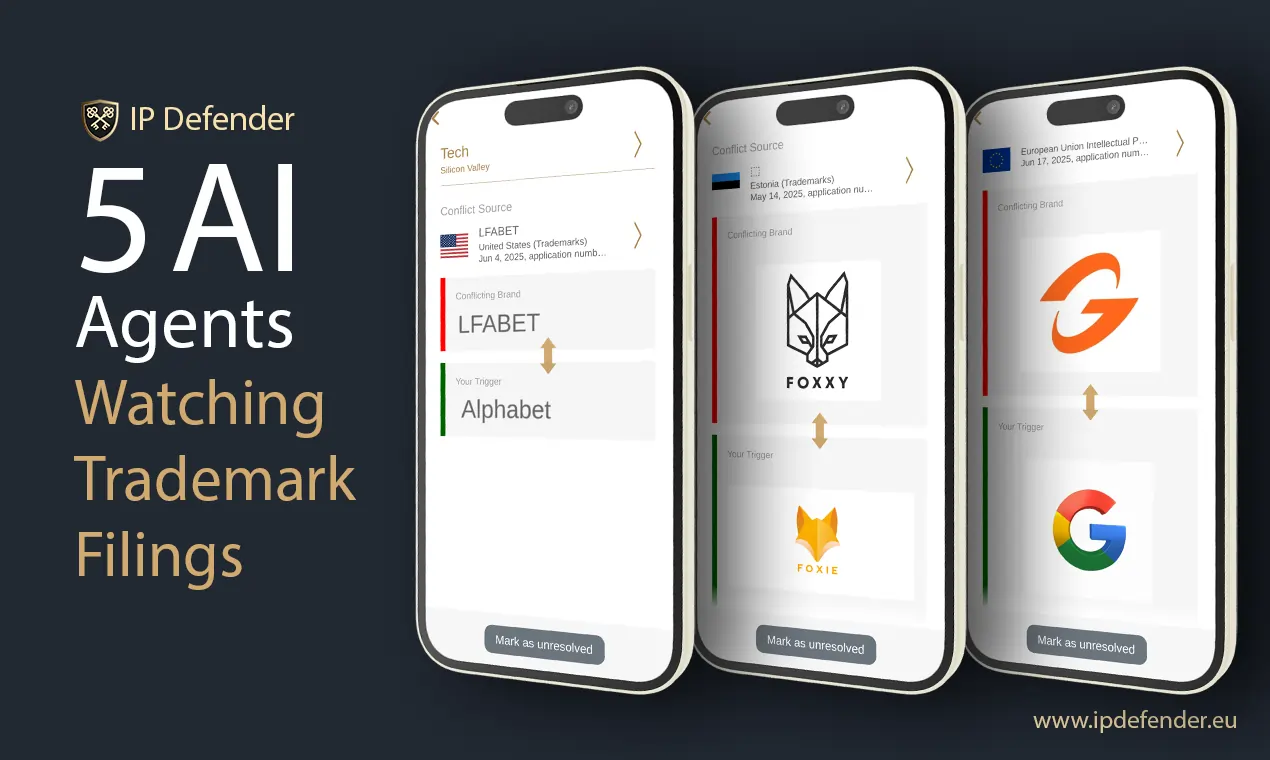
- 法務コストの削減: 侵害を中に早期発見することで、法務費用を節約できます。これにより、高額な訴訟を未然に防ぐことが可能です。
- より強固な商標ポートフォリオ: 投資家や買収先に対して規律ある体制を示す防衛可能な商標ポートフォリオを維持し、ブランド保護と企業価値の向上・成長を実現します。
- 法的な立場を強化:ブランド保護の取り組みに関するを確実に残し、万一の紛争に備えて強固な法的基盤を築きましょう。
- ブランドへの信頼を高める:競合他社の動向をモニタリングし、IP Defender サービスでブランドの貴重な評判を守りましょう。
商標・ブランドの侵害モニタリングを怠るリスク
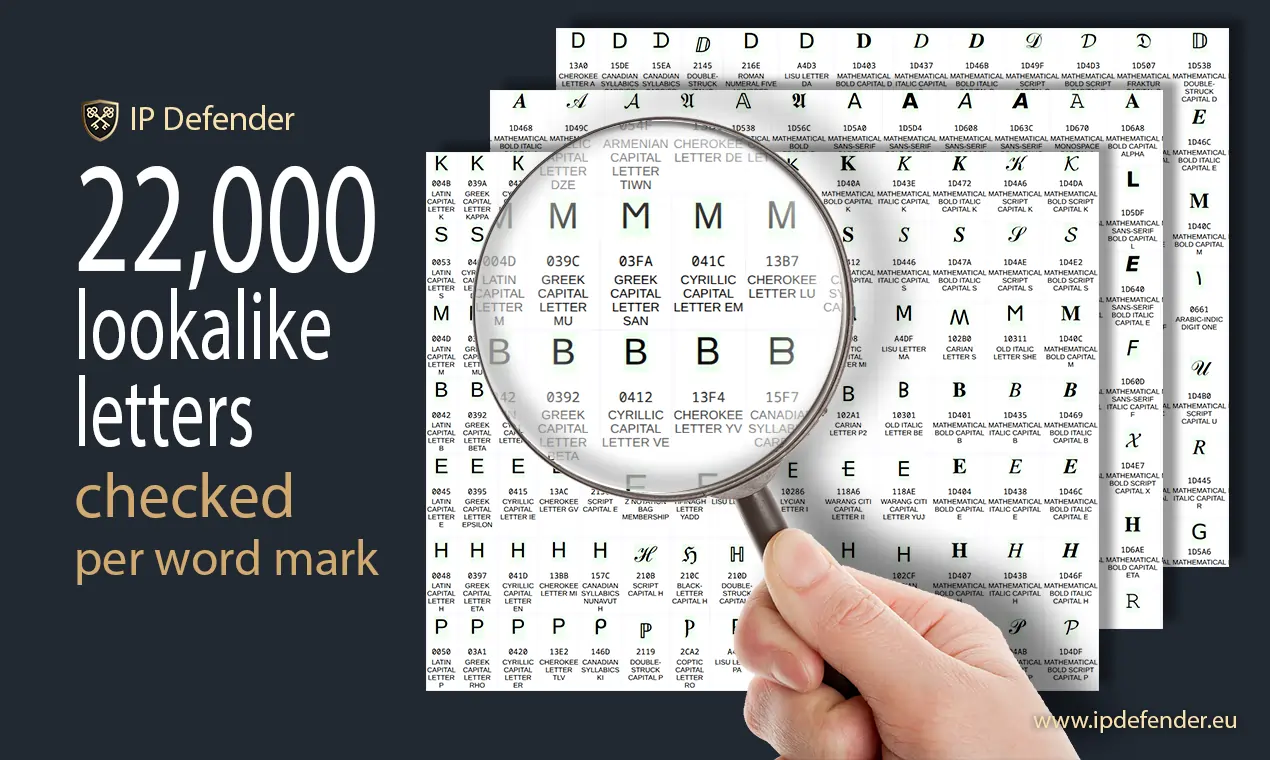
- 合併・買収:商標ポートフォリオの不備は合併後に法的トラブルを招き、潜在的な買い手や投資家を遠ざける要因となります。
- ブランド評判の毀損: 侵害者による類似名称の登録は、顧客に混同を招き、ブランドの評判を傷つける恐れがあります。
- 法的権利の喪失: 貴社のブランドの積極的なモニタリングと権利行使を怠ると、法的保護が低下し、を招く恐れがあります。
- 世界的な侵害リスク:侵害者は複数の国で商標を出願・登録しても発見されにくく、グローバルなブランド保護を困難にします。
あなたのブランドは最も価値ある資産です
評価額を高めるスタートアップや、ポートフォリオ企業を保護する投資家にとって、経営陣および法曹関係者の見解は明確です。ブランド(登録商標・未登録商標を含む)は貴社の最重要資産であり、その保護は不可欠です。
あなたのブランドは、事業において最も重要な投資です。
貴社が保有する資産の中で、ブランドは圧倒的に最も重要であり、かつ最も守るのが難しいものです。
商標権者は、侵害や希釈化を防ぐため、自社の商標を常に厳重にモニタリングし、保護しなければなりません。これを怠ると、権利を失うリスクがあります。
IP Defender を選ぶ理由
スタートアップの初期段階から投資家支援による成長企業まで、IP Defender はスタートアップにも手の届きやすい価格で、エンタープライズ級の商標監視サービスとブランド保護を提供します。
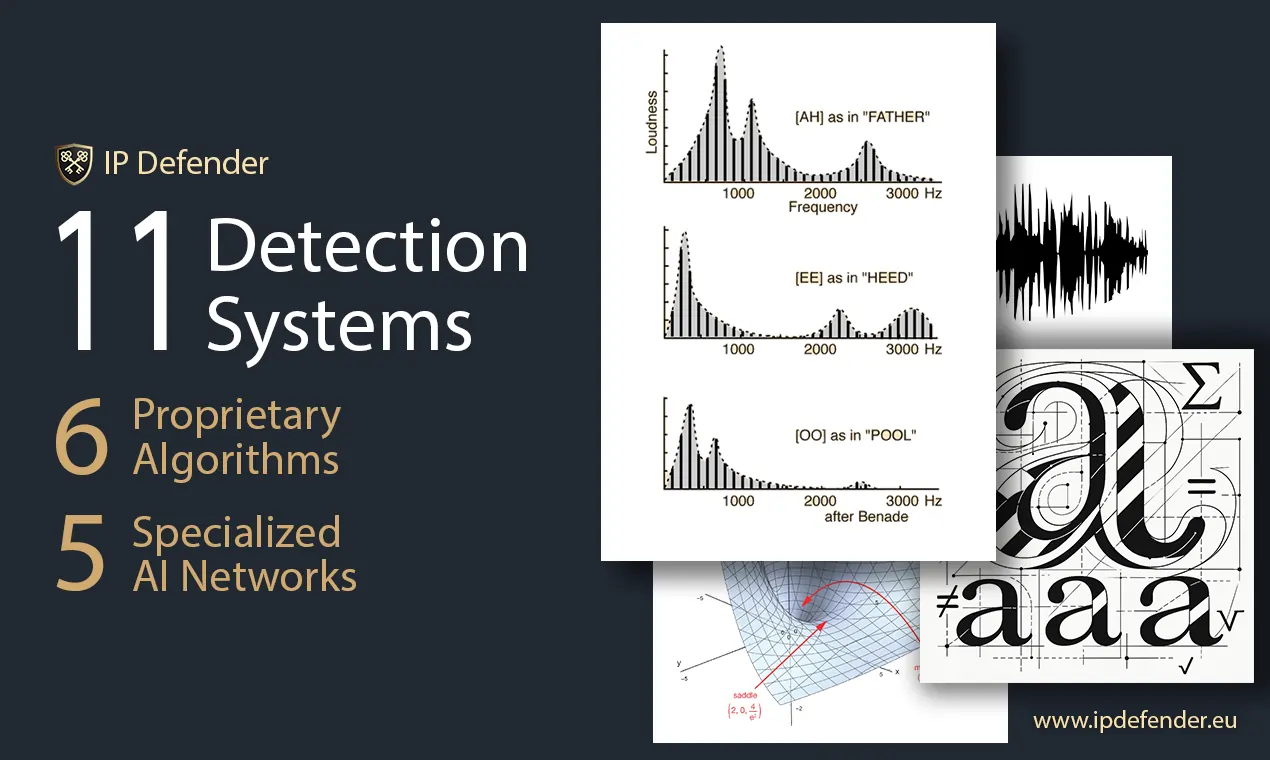
- 実証された専門性:2015 年以来信頼され続けてきた当社が、商標モニタリングにおいて比類なき精度をお届けすべく、アルゴリズムを磨き上げてきました。
- 世界規模:40 か国以上をカバーする包括的な継続的モニタリングで、世界中のブランドを保護します。
- 最先端のテクノロジー:当社独自の AI とアルゴリズムは他社ツールを凌駕し、商標権を的確に保護します。
- 専用リソース:最先端の NVIDIA AI ハードウェアを搭載し、競争力のある価格で高品質な結果をお届けします。
- プロフェッショナルに信頼される:企業様は、信頼性が高く、効率的で、先手を打つ商標モニタリングを私たちに託しています。
最新ニュース
第 4 巡回控訴裁判所は、ギリアド・サイエンシズに対する平行輸入業者への仮差止命令を支持し、ラベル未記載の外国製 HIV 治療薬がランハム法に基づく商標権侵害に該当すると判断しました。裁判所は「実質的相違」の法理を適用し、米国固有の警告表示や識別情報の欠如により、化学的な同等性にかかわらず当該製品が非真正商品であると認定しました。さらに、サービス提供者についても、ラベルの不整合についての推定的認識があれば寄与侵害が成立するとして責任を認めました。この判例は、国内の安全基準を迂回する際に生じる品質管理の隙間や第三者による関与が、企業に重大な法的リスクをもたらすことを明確に示しています。
中国の 2026 年商標法改正により、悪意のある出願に対する罰則が強化され、未登録の周知商標への保護範囲が拡大されます。これにより、大規模な防御的商標ポートフォリオへの依存に終止符が打たれる可能性があります。専門家は、これらのバッファーを直ちに放棄するのではなく、移行期間を設けた戦略を採用することを推奨しています。商品形状の保護には、意匠特許と不正競争防止法に基づく証拠の両面からのアプローチが必要であり、欧米ブランドが新しい法的基準を効果的に活用するには、世界的な知名度を裏付ける現地市場データを提示することが不可欠です。
連邦出願書類により、カイル・ワインディ氏とユーフォリック・ブラザーズ社との間で「KITTYSAURUS」商標を巡る複雑な係争が生じていることが明らかになりました。ワインディ氏は 2013 年に文房具および印刷された小説について登録を取得していましたが、ユーフォリック・ブラザーズ社は 2023 年、「Garten of Banban」内のゲーム関連商品およびアプリ内課金に同名称を使用しました。この事例は、デジタルゲームと物理的なおもちゃなど重複する商品区分が混乱を招く現代の知的財産法における重要なリスクを浮き彫りにしています。また、拡大する市場カテゴリー全体で高額な侵害訴訟を回避するためには、継続的な商標監視(商標ウォッチング)と徹底的なクリアランス調査が不可欠であることを示しています。
2026 年 9 月 1 日より、ロシアでは「.ru」「.рф」「.su」ドメインのすべてについて、Gosuslugi ポータルを通じた本人確認が義務付けられます。現地法人やロシアの銀行口座を持たない外国企業は、実質的にこれらのデジタル資産の管理から排除されることになります。確認を怠った場合、現在の有効期限満了後にドメインが失効し、競合他社やサイバースクワッターに取得されるリスクが生じます。国際的な事業を展開する企業は、このリスクを軽減するため直ちに対策を講じる必要があります。現実的な戦略としては、既存のロシア子会社への所有権移転、コンプライアンス対応のための現地トラストサービスの活用、あるいは期限前に「.com」などの国際ゾーンへサービスを移行する方法などが挙げられます。今回の規制変更は、地政学的に敏感な地域において、堅牢な現地インフラを整備せずに国別コードトップレベルドメイン(ccTLD)に依存することの脆弱性を浮き彫りにしています。
トルコ最高裁は、商標「RIANNA」を無効とし、リアーナ氏の権利を認めました。この判決は、商標保護が完全一致だけでなく、視覚的・発音的な類似性にも及ぶことを再確認するものです。裁判所は、消費者の混同を防ぐために商標を総合的に評価すべきだと強調しました。また、世界的な知名度がトルコ産業財産権法に基づく国内での執行を支える要因となることも示されました。企業は、わずかな変形や類似商標を見逃さず、**商標監視**や**商標ウォッチング**を通じて早期に対処し、ブランド資産を守る必要があります。**商標監視サービス**や**商標監視ツール**を活用した効果的な**ブランド保護**が不可欠です。
第 9 巡回控訴裁判所は VIP 製品社を支持し、ジャック・ダニエルズ社の「バッド・スパニエルズ」おもちゃが毀損によりブランドを希釈化したという主張を却下しました。この判決は原告に対してより高い立証基準を設け、特定の商標の著名性の証明と、一般的な消費者心理ではなく商品固有の評判損害の証拠を要求するものです。重要な点として、裁判所は明白なパロディの場合、消費者は嘲笑を元の商標との関連として捉えるのではなく、ユーモアとして認識する可能性が高いため、原告の立証責任が重くなると判断しました。
カザフスタンの裁判所は、アブディナビ・ラフマンクロフ氏が正当な供給網を妨害する目的で権利を悪用したとして、悪意による出願であると判断し、「PREMIER」商標の登録を無効としました。この判決は、取得や権利行使が衡平の原則に反する場合、形式的な登録だけでは保護が保証されないことを示しています。
仲裁パネルは、www.runwaycatalog.in の移転を 9562532 Canada Inc. に命じ、国別コードトップレベルドメインであっても商標権侵害が否定されるものではないと判断しました。本決定は、侵害的な名称の登録継続が「継続的な不法行為」に該当し、時効抗弁を回避し得ることを確立するものです。また、この判決により申立人の立証ハードルが引き下げられ、悪意のあるサイバースクワッティングの証明には電磁的記録で足りることが明確化されました。
アルゼンチンは、知的財産権の移転を大幅に簡素化する新規制を採用し、行政手続きを世界のベストプラクティスに合わせました。国立産業財産庁(INPI)は、外国企業に対する重厚な外交手続きを廃止し、国外で発行された書類へのアポスティーユや領事認証の要件を撤廃しました。この枠組みでは、所有権の移転が最終承認時ではなく出願日に効力を生じるため、権利執行や権利帰属の確定が迅速化されます。また、いずれの当事者も登録を開始でき、オンラインポータルを通じたデジタル提出が可能となりました。この変化により官僚的な摩擦は軽減されますが、企業再編に伴う所有権の急激な変動を把握するため、事業者には**商標監視**や**商標ウォッチング**といった**商標監視サービス**・**商標監視ツール**を活用した proactive な**ブランド保護**が求められます。
2027 年 1 月 1 日に施行される中国の改正商標法は、単なる出願登録ではなく実際の商業利用を優先することで、知的財産権の枠組みを根本的に再構築します。この抜本的な見直しにより、悪意のある出願に対する金銭的制裁が課され、異議申立期間が 3 ヶ月から 2 ヶ月に短縮されるとともに、デジタル上の活動も有効な商標使用として認められます。主な規定には、未登録の周知商標に対する類越え保護の拡大、損害算定における侵害者の利益の同等扱い、および商標代理人に対するより厳格なコンプライアンス要件が含まれます。世界的な企業は、これらの新たな厳格な基準に適合させるため、商標監視システム(商標ウォッチング)の高度化と保有ポートフォリオの監査を実施する必要があります。
異議申立期間とは
商標が出願されると、「異議申立期間」と呼ばれる非常に短い期間が設けられます。この期間中、新しい商標が自社の事業に悪影響を及ぼしたり、既存のブランドと衝突したりすると思われる場合は、どなたでも異議申立を行い、その登録を阻止することができます。
異議申立てのメリットは、商標登録が完了するのを待ってから取消しを求めるよりも、迅速かつ低コストで手続きが進められる点にあります。いったん登録されると、取消しには別途法的手続きが必要となり、時間と費用がかさむうえ、勝訴も難しくなります。
ブランドを守るために記録が重要な理由
ブランド保護の取り組みを詳細に記録しておくことは、法律では独占権を維持するために商標を使用し、権利を守っていることの証明が求められるため、極めて重要です。
紛争が裁判になった場合、裁判官は商標登録、モニタリング活動、販売記録、権利行使などの証拠を重要な判断材料とし、貴社の所有権およびブランド侵害の有無を確認します。 適切な書類がなければ、権利を証明することが格段に難しくなり、不正使用の差し止めや損害賠償の請求も困難になります。 この要件は商標法に基づいています。同法では、ブランド所有者が商標を積極的に使用し、権利を防御している場合にのみ保護が付与されます。 この記録証拠により、あらゆる紛争への対処も、法廷や交渉でブランドを守ることも、より容易かつ強力になります。
IP Defender の監視サービスをご利用いただければ、ブランド保護の取り組みを確実かつ体系的に記録できます。
商標権を積極的に維持すべき理由
商標登録をしただけでは不十分です。独占権を維持するためには、権利者自身が積極的に商標を保護する必要があります。
商標法では、ブランド所有者は自らの商標を積極的に保護する義務があります。つまり、無断使用や混同を招く類似使用を定期的にモニタリングし、侵害者に対して権利を行使するとともに、市場におけるブランドの存在感と評判を維持することが求められます。
これらの義務を怠ると、登録が取り消されたり権利が放棄されたものとみなされたりして、独占的な権利や保護を失う恐れがあります。
商標権の取消しや制限を行う前に、裁判所や商標庁は、商標権者が法的義務として商標を積極的に使用し、モニタリングし、保護してきたかどうかを審査します。