















































ทำไมสตาร์ทอัพและนักลงทุนจึงเลือกใช้บริการ IP Defender
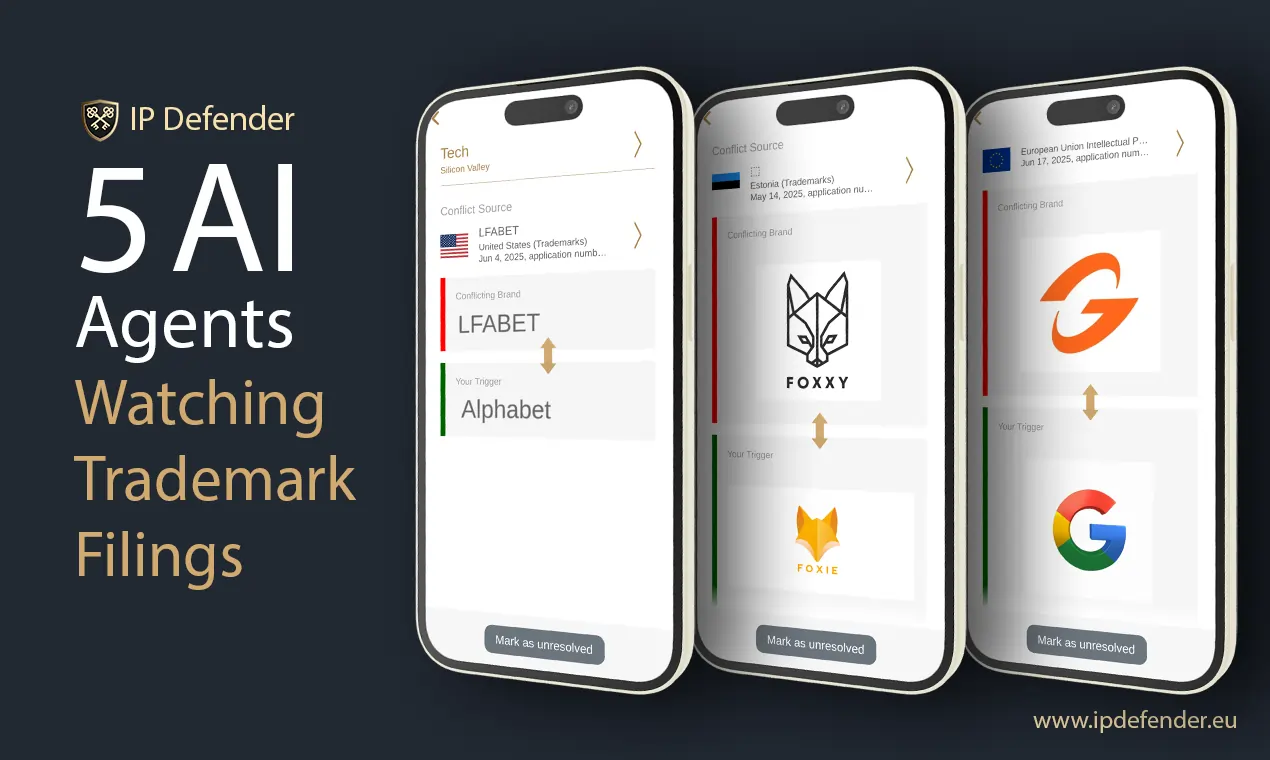
- ลดต้นทุนทางกฎหมาย: ประหยัดค่าทนายความด้วยการตรวจจับการละเมิดตั้งแต่เนิ่นๆ ในช่วง ช่วยให้คุณหลีกเลี่ยงคดีความในศาลที่มีค่าใช้จ่ายสูง
- พอร์ตโฟลิโอเครื่องหมายการค้าที่แข็งแกร่งยิ่งขึ้น: รักษาพอร์ตโฟลิโอเครื่องหมายการค้าที่สามารถป้องกันได้ เพื่อแสดงถึงวินัยต่อนักลงทุนและผู้ซื้อ ช่วยปกป้องมูลค่าและการเติบโตของแบรนด์ของคุณ
- เสริมสร้างความแข็งแกร่งทางกฎหมาย: จัดเก็บ การปกป้องแบรนด์อย่างครบถ้วน เพื่อสร้างฐานทางกฎหมายที่มั่นคง พร้อมรับมือข้อพิพาทที่อาจเกิดขึ้น
- เสริมสร้างความมั่นใจให้แบรนด์: ควบคุมคู่แข่งและปกป้องชื่อเสียงอันมีค่าของแบรนด์ของคุณด้วยบริการจาก IP Defender
ความเสี่ยงจากการไม่เฝ้าระวังเครื่องหมายการค้าและแบรนด์จากการละเมิด
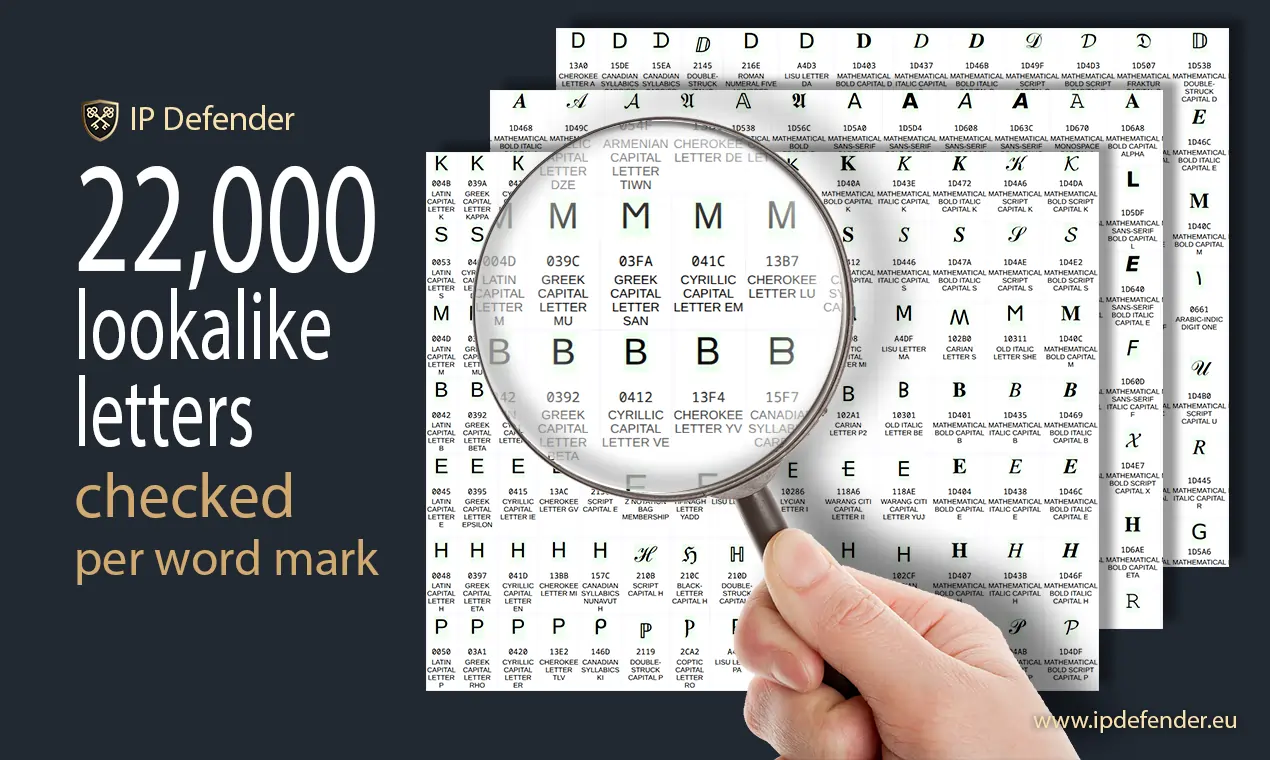
- การควบรวมและซื้อกิจการ: ช่องว่างในพอร์ตเครื่องหมายการค้าอาจนำไปสู่ปัญหาทางกฎหมายหลังการควบรวมกิจการ ซึ่งเป็นอุปสรรคต่อผู้ซื้อหรือนักลงทุนที่มีศักยภาพ
- ความเสียหายต่อชื่อเสียง: ผู้ละเมิดอาจจดทะเบียนชื่อที่คล้ายกัน ทำให้ลูกค้าสับสนและสร้างความเสียหายต่อชื่อเสียงของแบรนด์คุณ
- การสูญเสียสิทธิทางกฎหมาย: การละเลยไม่ติดตามตรวจสอบและบังคับใช้สิทธิแบรนด์อย่างจริงจัง จะบั่นทอนความคุ้มครองทางกฎหมาย และเสี่ยงต่อ
- ความเสี่ยงจากการละเมิดระดับโลก: ผู้ละเมิดสามารถจดทะเบียนเครื่องหมายการค้าในหลายประเทศโดยไม่ถูกตรวจพบ ทำให้การปกป้องแบรนด์ในระดับโลกเป็นเรื่องซับซ้อน
แบรนด์ของคุณคือสินทรัพย์ที่มีค่าที่สุด
สำหรับสตาร์ทอัพที่กำลังสร้างมูลค่าทางธุรกิจ และนักลงทุนที่ต้องการปกป้องบริษัทในพอร์ตโฟลิโอ คำตัดสินจากผู้นำภาคธุรกิจและหน่วยงานด้านกฎหมายนั้นชัดเจน: แบรนด์ของคุณคือสินทรัพย์ที่มีค่าที่สุด และการคุ้มครองแบรนด์เป็นเรื่องที่ละเลยไม่ได้
แบรนด์ของคุณคือการลงทุนที่สำคัญที่สุดเพียงหนึ่งเดียวที่คุณจะทำได้เพื่อธุรกิจของคุณ
ในบรรดาทรัพย์สินทั้งหมดที่บริษัทของคุณเป็นเจ้าของ แบรนด์คือสิ่งที่สำคัญที่สุดและดูแลรักษายากที่สุดอย่างทิ้งห่าง
เจ้าของเครื่องหมายการค้าต้องเฝ้าระวังและปกป้องเครื่องหมายของตนอย่างเคร่งครัด เพื่อป้องกันการลดทอนคุณค่าและการละเมิดสิทธิ หากละเลยอาจสูญเสียสิทธิในเครื่องหมายนั้นได้
ทำไมต้องเลือก IP Defender?
ตั้งแต่วิสาหกิจเริ่มต้นในระยะแรก ไปจนถึงบริษัทที่เติบโตด้วยการสนับสนุนจากนักลงทุน บริการ IP Defender มอบการคุ้มครองแบรนด์ระดับองค์กรในราคาที่เอื้อมถึงสำหรับสตาร์ทอัพ
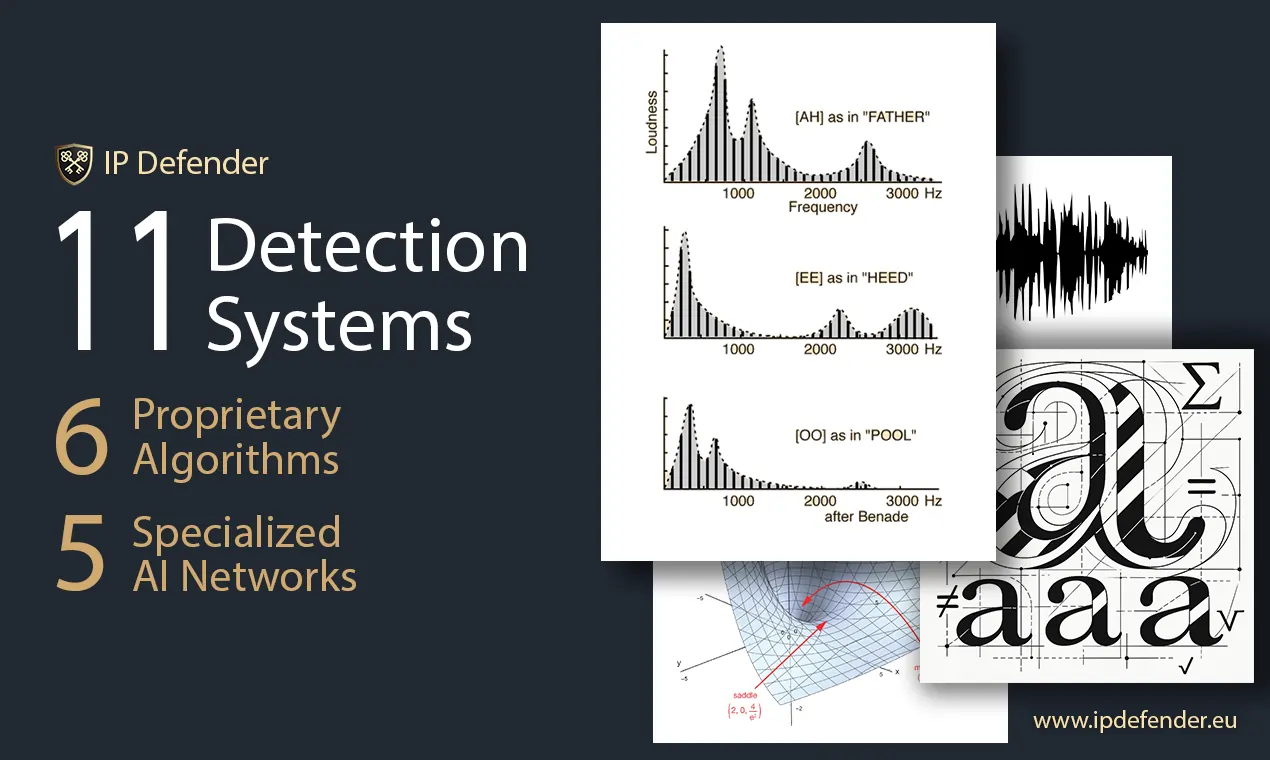
- ความเชี่ยวชาญที่พิสูจน์แล้ว: ได้รับความไว้วางใจตั้งแต่ปี 2015 เราได้พัฒนาอัลกอริทึมของเราจนสมบูรณ์แบบ เพื่อมอบความแม่นยำระดับสูงสุดในบริการเฝ้าระวังเครื่องหมายการค้า
- ครอบคลุมทั่วโลก: มอนิเตอร์อย่างครอบคลุมและต่อเนื่องในกว่า 40 ประเทศ เพื่อคุ้มครองแบรนด์ของคุณทั่วโลก
- เทคโนโลยีล้ำสมัย: AI และอัลกอริทึมเฉพาะของเรา ทำงานได้เหนือกว่าเครื่องมืออื่น ๆ มั่นใจได้เรื่องการคุ้มครองเครื่องหมายการค้าที่แม่นยำ
- ทรัพยากรเฉพาะทาง: ขับเคลื่อนด้วยฮาร์ดแวร์ AI จาก NVIDIA รุ่นล่าสุด เรามอบผลลัพธ์ระดับพรีเมียมในราคาที่แข่งขันได้
- ได้รับความไว้วางใจจากมืออาชีพ: ธุรกิจต่างๆ ล้วนไว้วางใจให้ chúngเราให้บริการมอนิเตอร์เครื่องหมายการค้าที่เชื่อถือได้ มีประสิทธิภาพ และเชิงรุก
ข่าวสารล่าสุด
ศาลอุทธรณ์ภาคที่สี่มีคำพิพากษายืนยันคำสั่งห้ามชั่วคราวต่อบริษัทนำเข้าคู่ขนานของ Gilead Sciences โดยตัดสินว่ายาเอชไอวีจากต่างประเทศที่ไม่มีฉลากก่อให้เกิดความรับผิดทางเครื่องหมายการค้าภายใต้พระราชบัญญัติ Lanham ศาลได้นำหลักเกณฑ์เรื่องความแตกต่างอันเป็นสาระสำคัญมาใช้ โดยเห็นว่า การละเว้นคำเตือนและข้อมูลระบุเฉพาะสำหรับสหรัฐอเมริกาทำให้สินค้าดังกล่าวไม่เป็นของแท้ แม้จะมีองค์ประกอบทางเคมีเหมือนกัน นอกจากนี้ ผู้ให้บริการยังต้องรับผิดในฐานะผู้ร่วมกระทำผิด เพียงเพราะมีข้อสันนิษฐานว่าทราบถึงความไม่สอดคล้องกันของฉลาก ซึ่งเพียงพอที่จะถือเป็นการละเมิด คำพิพากษาต้นแบบนี้เน้นย้ำว่า ช่องว่างในการควบคุมคุณภาพและการอำนวยความสะดวกโดยบุคคลที่สาม ทำให้ธุรกิจเผชิญความเสี่ยงทางกฎหมายอย่างมีนัยสำคัญ เมื่อหลีกเลี่ยงขั้นตอนด้านความปลอดภัยภายในประเทศ
การปฏิรูปกฎหมายเครื่องหมายการค้าของจีนในปี 2026 นำมาซึ่งบทลงโทษที่เข้มงวดขึ้นสำหรับการยื่นจดทะเบียนโดยสุจริตไม่ดี และขยายความคุ้มครองไปยังเครื่องหมายการค้าที่มีชื่อเสียงแม้ยังไม่ได้จดทะเบียน ซึ่งส่งสัญญาณว่ายุคแห่งการพึ่งพาพอร์ตโฟลิโอป้องกันขนาดใหญ่อาจกำลังจะสิ้นสุดลง ผู้เชี่ยวชาญแนะนำกลยุทธ์ในช่วงเปลี่ยนผ่าน แทนที่จะละทิ้งเกราะป้องกันเหล่านี้ทันที การคุ้มครองรูปลักษณ์ผลิตภัณฑ์จำเป็นต้องอาศัยทั้งสิทธิบัตรการออกแบบและหลักฐานการแข่งขันที่ไม่เป็นธรรม ในขณะที่แบรนด์ตะวันตกต้องพิสูจน์ความมีชื่อเสียงในระดับโลกด้วยข้อมูลตลาดท้องถิ่น เพื่อใช้ประโยชน์จากมาตรฐานทางกฎหมายใหม่ได้อย่างมีประสิทธิภาพ
การยื่นคำร้องต่อศาลรัฐบาลกลางเปิดเผยข้อพิพาทเครื่องหมายการค้าที่ซับซ้อนระหว่าง ไคล์ ไวนันดี และบริษัท ยูฟอริก บราเธอร์ส จำกัด เกี่ยวกับเครื่องหมาย 'KITTYSAURUS' แม้ไวนันดีจะถือสิทธิ์จดทะเบียนเครื่องหมายการค้าตั้งแต่ปี 2013 สำหรับเครื่องเขียนและนวนิยายสิ่งพิมพ์ แต่ยูฟอริก บราเธอร์สได้นำชื่อนี้ไปใช้ในปี 2023 สำหรับสินค้าเกมและรายการซื้อภายในแอปในเกม Garten of Banban คดีนี้ชี้ให้เห็นความเสี่ยงสำคัญในกฎหมายทรัพย์สินทางปัญญาสมัยใหม่ ที่ซึ่งหมวดหมู่ทับซ้อนกันระหว่างเกมดิจิทัลและของเล่นกายภาพก่อให้เกิดความสับสน ความขัดแย้งดังกล่าวเน้นย้ำถึงความจำเป็นในการดำเนินการตรวจสอบเครื่องหมายการค้าอย่างต่อเนื่อง และการสืบค้นเครื่องหมายการค้าอย่างละเอียด เพื่อหลีกเลี่ยงคดีละเมิดที่มีค่าใช้จ่ายสูงในตลาดที่มีการขยายตัว
ตั้งแต่วันที่ 1 กันยายน 2026 เป็นต้นไป รัสเซียกำหนดให้ต้องทำการยืนยันตัวตนผ่านพอร์ทัล Gosuslugi สำหรับโดเมน .ru, .рф และ .su ทั้งหมด โดยนิติบุคคลต่างประเทศที่ไม่มีสถานประกอบการตามกฎหมายในรัสเซียหรือไม่มีบัญชีธนาคารรัสเซีย จะถูกกีดกันโดยพฤตินัยจากการจัดการทรัพย์สินดิจิทัลเหล่านี้ หากไม่ดำเนินการยืนยันตัวตน โดเมนจะหมดอายุและอาจตกเป็นของคู่แข่งหรือผู้จดโดเมนเพื่อเก็งกำไร (cybersquatters) เมื่อสิ้นสุดระยะเวลาปัจจุบัน ธุรกิจระหว่างประเทศจึงต้องดำเนินการทันทีเพื่อลดความเสี่ยงดังกล่าว กลยุทธ์ที่เป็นไปได้ ได้แก่ การโอนกรรมสิทธิ์ไปยังบริษัทลูกที่มีอยู่ในรัสเซีย การใช้บริการผู้ถือสิทธิแทน (trustee services) ในท้องถิ่นเพื่อให้เป็นไปตามกฎระเบียบ หรือการย้ายบริการไปยังโซนสากลอย่าง .com ก่อนถึงกำหนดเวลา การเปลี่ยนแปลงทางกฎระเบียบครั้งนี้สะท้อนให้เห็นถึงความเปราะบางของการพึ่งพาโดเมนระดับบนสุดตามรหัสประเทศ (ccTLD) ในภูมิภาคที่มีความอ่อนไหวทางภูมิรัฐศาสตร์ โดยขาดโครงสร้างพื้นฐานในท้องถิ่นที่แข็งแกร่ง
ศาลอุทธรณ์สูงสุดของตุรกีได้เพิกถอนเครื่องหมายการค้า 'RIANNA' โดยตัดสินให้ริฮานนาเป็นฝ่ายชนะ ซึ่งยืนยันว่าการคุ้มครองเครื่องหมายการค้าครอบคลุมถึงความคล้ายคลึงทั้งด้านภาพและเสียง ไม่ใช่เพียงแค่การตรงกันทุกตัวอักษรเท่านั้น คำพิพากษาดังกล่าวเน้นย้ำถึงการประเมินเครื่องหมายการค้าอย่างเป็นองค์รวมเพื่อป้องกันความสับสนของผู้บริโภค และยังชี้ให้เห็นว่าชื่อเสียงในระดับโลกสามารถสนับสนุนการบังคับใช้กฎหมายในท้องถิ่นภายใต้ประมวลกฎหมายทรัพย์สินทางอุตสาหกรรมของตุรกี ธุรกิจต่างๆ จึงจำเป็นต้องดำเนินการติดตามเครื่องหมายการค้า (การติดตามเครื่องหมายการค้า) และตรวจสอบเครื่องหมายการค้า (ตรวจสอบเครื่องหมายการค้า) เพื่อค้นหาเครื่องหมายการค้า (ค้นหาเครื่องหมายการค้า) หรือสืบค้นเครื่องหมายการค้า (สืบค้นเครื่องหมายการค้า) ที่มีความคล้ายคลึง พร้อมทั้งดำเนินมาตรการตั้งแต่เนิ่นๆ เพื่อปกป้องมูลค่าของแบรนด์จากความแตกต่างเพียงเล็กน้อย ก่อนที่จะทำการจดทะเบียนเครื่องหมายการค้า (จดทะเบียนเครื่องหมายการค้า)
ศาลอุทธรณ์ภาคที่ 9 ตัดสินให้ VIP Products เป็นฝ่ายชนะ โดยยกฟ้องข้อกล่าวหาของแจ็ก แดเนียลส์ ที่อ้างว่าของเล่น "แบด สแปเนียลส์" ทำให้แบรนด์เสื่อมเสียจากการทำให้มัวหมอง คำตัดสินดังกล่าวกำหนดมาตรฐานการพิสูจน์หลักฐานที่สูงขึ้นสำหรับโจทก์ โดยต้องแสดงชื่อเสียงของเครื่องหมายการค้าเฉพาะรายการ พร้อมหลักฐานความเสียหายต่อชื่อเสียงที่เกี่ยวข้องกับผลิตภัณฑ์นั้นโดยตรง แทนที่จะอาศัยหลักจิตวิทยาผู้บริโภคแบบกว้างๆ ที่สำคัญ ศาลยังวินิจฉัยว่า กรณีเป็นการล้อเลียนที่ชัดเจน จะเพิ่มภาระการพิสูจน์ของโจทก์ เนื่องจากผู้บริโภคมีแนวโน้มจะรับรู้ถึงอารมณ์ขัน มากกว่าจะเชื่อมโยงการเย้าแหย่นั้นกับเครื่องหมายการค้าเดิม
ศาลคาซัคสถานเพิกถอนการจดทะเบียนเครื่องหมายการค้า "PREMIER" โดยวินิจฉัยว่า อับดินาบี ราห์มันคูลอฟ กระทำด้วยเจตนาไม่สุจริตในการใช้สิทธิของตนเพื่อขัดขวางห่วงโซ่อุปทานที่ถูกต้องตามกฎหมาย คำตัดสินดังกล่าวเน้นย้ำว่าการจดทะเบียนเครื่องหมายการค้าอย่างเป็นทางการไม่ได้การันตีความคุ้มครอง หากการได้มาหรือการบังคับใช้สิทธิละเมิดหลักความยุติธรรม
คณะอนุญาโตตุลาการมีคำสั่งให้โอนชื่อโดเมน www.runwaycatalog.in ให้กับบริษัท 9562532 Canada Inc. โดยยืนยันว่าการใช้โดเมนระดับบนสุดตามรหัสประเทศ (ccTLD) ไม่อาจลบล้างความผิดฐานละเมิดเครื่องหมายการค้าได้ คำตัดสินดังกล่าวกำหนดให้การจดทะเบียนชื่อที่ละเมิดสิทธิอย่างต่อเนื่องถือเป็น "การกระทำผิดต่อเนื่อง" ซึ่งทำให้คู่กรณีไม่สามารถอ้างอายุความเพื่อต่อสู้คดีได้ นอกจากนี้ คำวินิจฉัยนี้ยังช่วยลดอุปสรรคด้านพยานหลักฐานสำหรับผู้ร้องเรียน โดยชี้แจงว่าบันทึกข้อมูลอิเล็กทรอนิกส์สามารถใช้พิสูจน์พฤติการณ์การจดโดเมนโดยสุ่มสี่สุ่มห้าด้วยความไม่สุจริตได้
อาร์เจนตินาได้ออกกฎระเบียบใหม่เพื่อลดความซับซ้อนในการโอนสิทธิทรัพย์สินทางปัญญาอย่างมีนัยสำคัญ โดยปรับขั้นตอนการบริหารให้สอดคล้องกับแนวปฏิบัติระดับโลก สถาบันทรัพย์สินทางอุตสาหกรรมแห่งชาติ (INPI) ได้ยกเลิกพิธีการทางการทูตที่ยุ่งยากสำหรับหน่วยงานจากต่างประเทศ ไม่ต้องใช้ตราอะโพสตีลหรือการรับรองจากสถานกงสุลสำหรับเอกสารที่ออกนอกประเทศอีกต่อไป กรอบกฎหมายใหม่นี้ระบุชัดเจนว่าการโอนความเป็นเจ้าของจะมีผลนับตั้งแต่วันที่ยื่นคำร้อง แทนที่จะรอการอนุมัติขั้นสุดท้าย ช่วยให้การบังคับใช้สิทธิและการ确立กรรมสิทธิ์เป็นไปอย่างรวดเร็ว นอกจากนี้ ยังเปิดโอกาสให้คู่สัญญาฝ่ายใดฝ่ายหนึ่งสามารถเริ่มกระบวนการจดทะเบียนและส่งเอกสารแบบดิจิทัลผ่านระบบออนไลน์ได้ การเปลี่ยนแปลงดังกล่าวช่วยลดอุปสรรคด้าน bureaucracy แต่ธุรกิจจำเป็นอย่างยิ่งต้องดำเนินการติดตามเครื่องหมายการค้า ('การติดตามเครื่องหมายการค้า') อย่างแข็งขัน เพื่อเฝ้าระวังการเปลี่ยนแปลงความเป็นเจ้าของที่เกิดขึ้นรวดเร็วในช่วงการปรับโครงสร้างองค์กร
กฎหมายเครื่องหมายการค้าฉบับปรับปรุงของจีน ซึ่งมีผลบังคับใช้ตั้งแต่วันที่ 1 มกราคม 2027 ได้ปฏิรูประบบสิทธิทรัพย์สินทางปัญญาโดยให้ความสำคัญกับการใช้งานทางการค้าที่แท้จริงมากกว่าการจดทะเบียนเพียงอย่างเดียว การเปลี่ยนแปลงครั้งนี้กำหนดบทลงโทษทางการเงินสำหรับการยื่นจดทะเบียนโดยไม่สุจริต ลดระยะเวลายื่นคัดค้านเครื่องหมายการค้าจากสามเดือนเหลือสองเดือน และรับรองว่ากิจกรรมดิจิทัลถือเป็นการใช้งานเครื่องหมายการค้าที่ถูกต้องตามกฎระเบียบ สาระสำคัญ还包括การขยายความคุ้มครองข้ามกลุ่มสินค้าสำหรับเครื่องหมายการค้าที่มีชื่อเสียงแม้ไม่ได้จดทะเบียน การนำกำไรของผู้ละเมิดมาคำนวณค่าเสียหายอย่างเท่าเทียม และการกำหนดมาตรฐานการปฏิบัติตามกฎระเบียบที่เข้มงวดขึ้นสำหรับตัวแทนด้านเครื่องหมายการค้า ธุรกิจระดับโลกจำเป็นต้องยกระดับระบบการติดตามเครื่องหมายการค้าและตรวจสอบพอร์ตโฟลิโอให้สอดคล้องกับมาตรฐานใหม่เหล่านี้
ทำความเข้าใจช่วงเวลายื่นคัดค้านเครื่องหมายการค้า
เมื่อมีผู้ยื่นขอจดทะเบียนเครื่องหมายการค้า จะมีช่วงเวลาสั้นๆ ที่เรียกว่า "ระยะคัดค้าน" ในช่วงเวลานี้ ผู้ใดที่เชื่อว่าเครื่องหมายการค้าใหม่ดังกล่าวอาจสร้างความเสียหายต่อธุรกิจของตน หรือขัดแย้งกับแบรนด์ที่มีอยู่ (ทั้งที่จดทะเบียนแล้วและยังไม่ได้จดทะเบียน) สามารถยื่นคำคัดค้านเพื่อระงับการจดทะเบียนได้
ข้อดีของการยื่นคัดค้านคือ รวดเร็ว ประหยัด และทำได้ง่ายกว่า การรอจนกว่าเครื่องหมายการค้าจะจดทะเบียนเสร็จสิ้น แล้วค่อยไปดำเนินการเพิกถอนในภายหลัง เมื่อเครื่องหมายการค้าได้รับการจดทะเบียนแล้ว การเพิกถอนจะต้องใช้กระบวนการทางกฎหมายแยกต่างหาก ซึ่งใช้เวลานานกว่า มีค่าใช้จ่ายสูงกว่า และชนะได้ยากกว่า
ทำไมการบันทึกข้อมูลจึงสำคัญต่อการปกป้องแบรนด์ของคุณ
การบันทึกความพยายามในการคุ้มครองเครื่องหมายการค้าของคุณอย่างละเอียดนั้นจำเป็นอย่างยิ่ง เพราะ กฎหมายกำหนดให้ต้องมีหลักฐานแสดงว่าคุณได้ใช้และปกป้องเครื่องหมายการค้าของคุณ เพื่อรักษาสิทธิแต่เพียงผู้เดียว
หากข้อพิพาทขึ้นสู่ศาล ศาลจะพิจารณาจากหลักฐานเหล่านี้ ไม่ว่าจะเป็นการจดทะเบียน ความพยายามในการมอนิเตอร์ บันทึกการขาย หรือการดำเนินการบังคับใช้สิทธิ เพื่อยืนยันความเป็นเจ้าของของคุณ และตรวจสอบว่ามีผู้ละเมิดสิทธิในแบรนด์ของคุณหรือไม่ หากไม่มีเอกสารหลักฐานที่ถูกต้อง การพิสูจน์สิทธิ์ของคุณจะยากขึ้นมาก ส่งผลให้หยุดยั้งการละเมิดหรือเรียกค่าชดเชยได้ยาก ข้อกำหนดนี้มีพื้นฐานมาจากกฎหมายเครื่องหมายการค้าที่ให้การคุ้มครองเฉพาะเมื่อเจ้าของแบรนด์มีการใช้และปกป้องเครื่องหมายของตนอย่างแข็งขัน บันทึกหลักฐานเหล่านี้ช่วยให้การต่อสู้ในข้อพิพาทและการปกป้องแบรนด์ของคุณทั้งในศาลและระหว่างการเจรจาเป็นไปอย่างง่ายดายและมีประสิทธิภาพยิ่งขึ้น
การใช้บริการตรวจสอบจาก IP Defender มอบบันทึกที่เป็นระบบและเชื่อถือได้ สำหรับกิจกรรมการปกป้องแบรนด์ของคุณ
ทำไมคุณจึงต้องดูแลสิทธิเครื่องหมายการค้าของคุณอย่างสม่ำเสมอ
การจดทะเบียนเครื่องหมายการค้าเพียงอย่างเดียวไม่เพียงพอ เจ้าของแบรนด์ต้องปกป้องแบรนด์เชิงรุก เพื่อรักษาสิทธิ์แต่เพียงผู้เดียวไว้
กฎหมายเครื่องหมายการค้ากำหนดให้เจ้าของแบรนด์ต้องเฝ้าระวังเครื่องหมายการค้าของตนอย่างแข็งขัน ซึ่งหมายถึงการติดตามตรวจสอบการใช้งานโดยไม่ได้รับอนุญาตหรือการใช้งานที่คล้ายคลึงจนอาจก่อให้เกิดความสับสนอย่างสม่ำเสมอ การบังคับใช้สิทธิของตนต่อผู้ละเมิด รวมถึงการรักษาการปรากฏตัวและชื่อเสียงของแบรนด์ในตลาด
หากละเลยหน้าที่เหล่านี้ การจดทะเบียนของท่านอาจถูกเพิกถอนหรือถือว่าถูกทอดทิ้ง ส่งผลให้สูญเสียสิทธิแต่เพียงผู้เดียวและการคุ้มครอง
ก่อนที่ศาลหรือสำนักงานเครื่องหมายการค้าจะเพิกถอนหรือจำกัดสิทธิในเครื่องหมายการค้า จะมีการพิจารณาว่าเจ้าของเครื่องหมายการค้าได้ใช้งาน ติดตาม และปกป้องแบรนด์ของตนอย่างแข็งขันตามที่กฎหมายกำหนดหรือไม่