















































Por qué las startups y los inversores eligen IP Defender
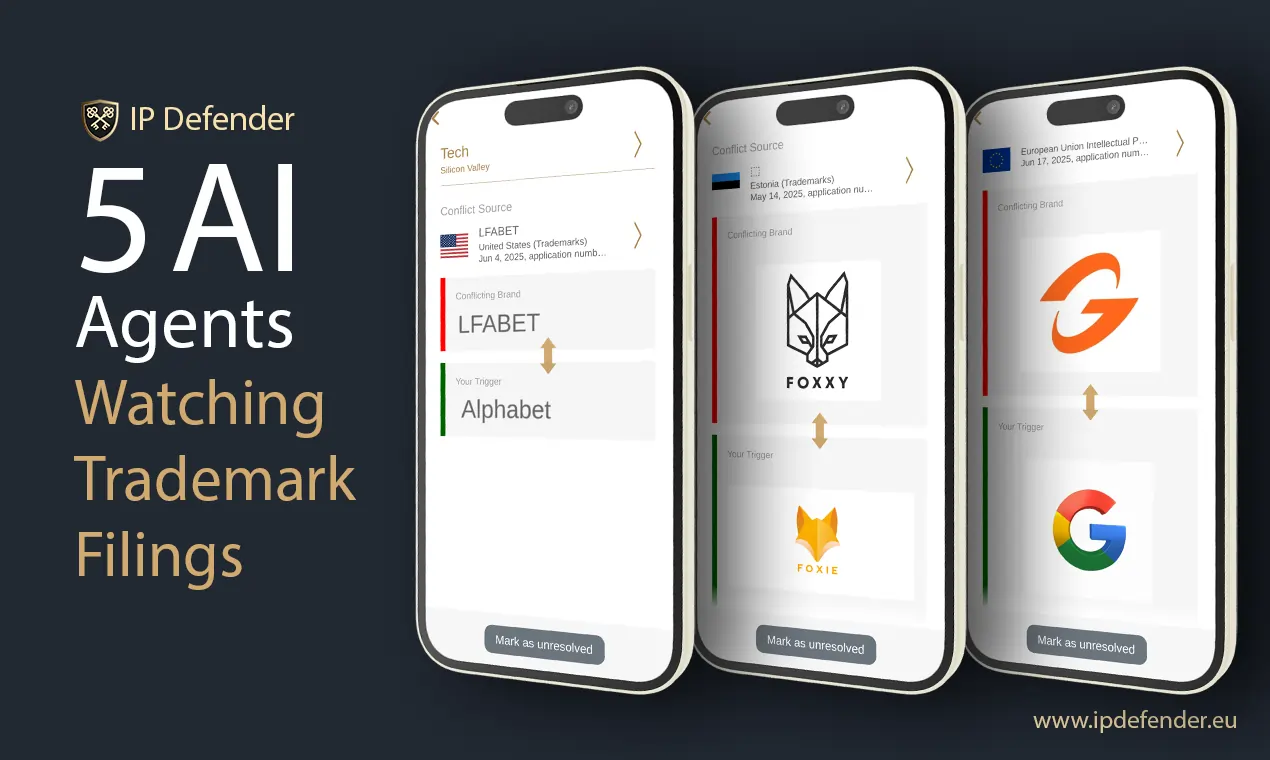
- Costos legales reducidos: Ahorre en honorarios legales al detectar infracciones a tiempo durante el . Así evita litigios costosos.
- Portafolio de marcas más sólido: Mantenga un portafolio de marcas registradas defendible que demuestre disciplina ante inversores y compradores, protegiendo la valoración y el crecimiento de su marca.
- Fortalece tu posición legal: Mantén exhaustivas de tus esfuerzos de protección de marca para establecer una base legal sólida ante posibles conflictos.
- Impulsa la confianza en tu marca: Mantén a tus competidores a raya y protege la valiosa reputación de tu marca con nuestro servicio.
Riesgos de no vigilar marcas y nombres comerciales frente a infracciones
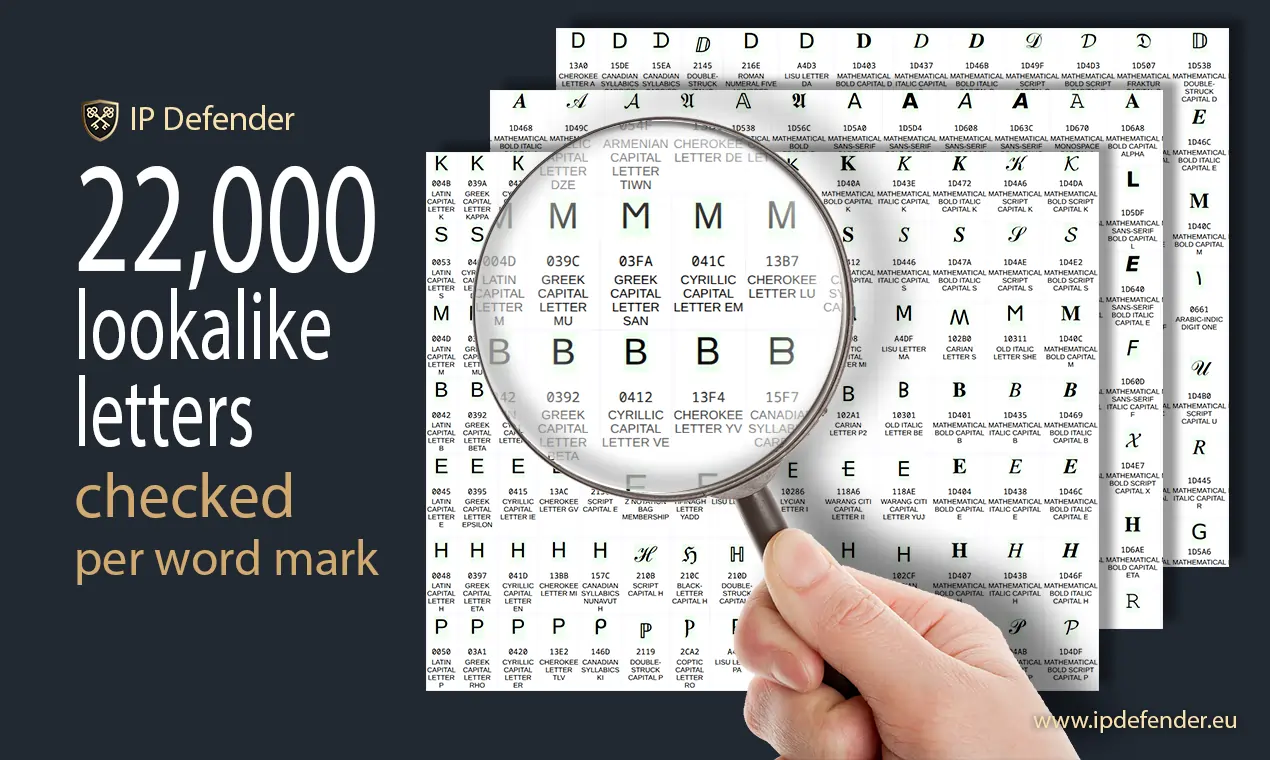
- Fusiones y Adquisiciones: Los vacíos en la cartera de marcas pueden derivar en problemas legales tras la fusión, disuadiendo a posibles compradores o inversores.
- Daño a la reputación: Los infractores pueden registrar nombres similares, confundiendo a los clientes y perjudicando la reputación de su marca.
- Pérdida de derechos legales: No monitorear y hacer cumplir activamente su marca debilita sus protecciones legales y pone en riesgo la .
- Riesgos de Infracción Global: Los infractores pueden registrar marcas en múltiples países sin ser detectados, complicando la protección global de su marca.
Su marca es su activo más valioso
Para startups que buscan aumentar su valoración y para inversores que protegen las empresas de su cartera, el veredicto de líderes empresariales y autoridades legales es contundente: su marca es su activo más valioso, y su protección no es negociable.
Tu marca es la inversión más importante que puedes hacer en tu negocio.
De todo lo que posee su empresa, las marcas son, con diferencia, las más importantes y las más difíciles de proteger.
Los propietarios de marcas deben vigilar constantemente sus marcas para prevenir la dilución y la infracción; no hacerlo arriesga perder sus derechos.
¿Por qué elegir IP Defender?
Desde startups en fase inicial hasta empresas de crecimiento respaldadas por inversores, el servicio IP Defender ofrece protección de marcas a nivel empresarial a precios adaptados para startups.

- Experiencia comprobada: Con la confianza de nuestros clientes desde 2015, hemos perfeccionado nuestros algoritmos para ofrecer una precisión inigualable en la vigilancia de marcas.
- Alcance global: Supervisión continua e integral en más de 40 países para proteger tu marca en todo el mundo.
- Tecnología Avanzada: Nuestra IA y algoritmos propietarios superan a otras herramientas, garantizando una protección precisa de sus marcas.
- Recursos Dedicados: Potenciado por hardware de IA de NVIDIA de última generación, ofrecemos resultados premium a precios competitivos.
- La confianza de los profesionales: Las empresas confían en nosotros para un monitoreo de marcas registrado y no registrado fiable, eficiente y proactivo.
Últimas noticias
El Cuarto Circuito confirmó una medida cautelar contra los importadores paralelos de Gilead Sciences, determinando que la comercialización de medicamentos para el VIH procedentes del extranjero y sin etiquetado adecuado genera responsabilidad por infracción de marca conforme a la Ley Lanham. El tribunal aplicó la doctrina de las diferencias materiales, concluyendo que la omisión de advertencias e identificadores específicos para EE. UU. hacía que los productos no fueran genuinos, con independencia de su equivalencia química. Además, los proveedores de servicios enfrentaron responsabilidad por contribución a la infracción, ya que el conocimiento constructivo de las discrepancias en el etiquetado fue suficiente para acreditar la violación. Este precedente subraya que las deficiencias en el control de calidad y la facilitación por parte de terceros exponen a las empresas a riesgos jurídicos significativos cuando se eluden los protocolos de seguridad nacionales.
Las reformas a la ley de marcas de China para 2026 introducen sanciones más estrictas para solicitudes de mala fe y amplían la protección para marcas notorias no registradas, lo que señala un posible fin de la dependencia en grandes carteras defensivas. Los expertos recomiendan una estrategia de transición en lugar del abandono inmediato de estas protecciones. La protección de las formas de los productos requiere patentes de diseño paralelas y pruebas de competencia desleal, mientras que las marcas occidentales deben respaldar su fama global con datos del mercado local para aprovechar eficazmente los nuevos estándares legales.
Una presentación federal revela una compleja disputa de marcas entre Kyle Weinandy y Euphoric Brothers Ltd. por la marca 'KITTYSAURUS'. Mientras que Weinandy posee un registro de 2013 para papelería y ficción impresa, Euphoric Brothers utilizó el nombre en 2023 para mercancía de videojuegos y compras dentro de la aplicación en Garten of Banban. Este caso destaca los riesgos críticos en la ley moderna de propiedad intelectual, donde clases superpuestas como juegos digitales y juguetes físicos generan confusión. El conflicto subraya la necesidad de una vigilancia de marcas continua y búsquedas exhaustivas de viabilidad para evitar litigios costosos por infracción en categorías de mercado en expansión.
A partir del 1 de septiembre de 2026, Rusia exigirá la verificación obligatoria de identidad a través del portal Gosuslugi para todos los dominios .ru, .рф y .su. Las entidades extranjeras que carezcan de presencia legal local o de cuentas bancarias rusas quedarán de facto excluidas de la gestión de estos activos digitales. La falta de verificación provocará la caducidad del dominio y su posible pérdida frente a competidores o cybersquatters una vez finalizado el periodo vigente. Las empresas internacionales deben actuar de inmediato para mitigar este riesgo. Entre las estrategias viables se incluyen: transferir la titularidad a filiales rusas existentes, contratar servicios de fiduciarios locales para garantizar el cumplimiento normativo o migrar los servicios a zonas internacionales como .com antes de la fecha límite. Este cambio regulatorio pone de manifiesto la fragilidad de depender de dominios de nivel superior de código de país en regiones geopolíticamente sensibles sin contar con una infraestructura local sólida.
El Tribunal de Casación de Turquía anuló la marca 'RIANNA' a favor de Rihanna, reafirmando que la protección de marcas abarca la similitud visual y fonética, no solo las coincidencias exactas. La sentencia subraya la necesidad de evaluar las marcas de forma integral para evitar la confusión entre los consumidores. Asimismo, destaca cómo la fama global respalda la aplicación local conforme al Código de Propiedad Industrial de Turquía. Las empresas deben llevar a cabo una vigilancia de marcas para detectar imitaciones y actuar con prontitud, protegiendo así el valor de su marca frente a pequeñas variaciones.
El Noveno Circuito falló a favor de VIP Products, rechazando la reclamación de Jack Daniel's de que su juguete 'Bad Spaniels' diluía la marca por menoscabo. La decisión establece un estándar probatorio más elevado para los demandantes, exigiendo prueba de notoriedad para marcas específicas y evidencia concreta de daño reputacional ligado al producto, en lugar de basarse en psicología genérica del consumidor. Fundamentalmente, el tribunal determinó que las parodias evidentes incrementan la carga probatoria del demandante, ya que es probable que los consumidores identifiquen el humor en lugar de asociar la burla con la marca anterior.
Un tribunal de Kazajistán anuló el registro de la marca PREMIER, determinando que Abdinabi Rakhmankulov actuó de mala fe al utilizar sus derechos para interrumpir cadenas de suministro legítimas. La decisión subraya que el registro formal no garantiza protección si la adquisición o la ejecución vulneran los principios de equidad.
Un panel de arbitraje ordenó la transferencia de www.runwaycatalog.in a 9562532 Canada Inc., confirmando que los dominios de nivel superior con código de país no excluyen la infracción de marca. La decisión establece que el mantenimiento del registro de un nombre infringente constituye un "acto ilícito continuo", lo que permite sortear las defensas basadas en el plazo de prescripción. Este fallo reduce las cargas probatorias para los demandantes, aclarando que los registros electrónicos son suficientes para demostrar el ciberocupación de mala fe.
Argentina ha adoptado nuevas regulaciones para simplificar significativamente la transferencia de derechos de propiedad intelectual, alineando sus procedimientos administrativos con las mejores prácticas globales. El Instituto Nacional de la Propiedad Industrial (INPI) eliminó las pesadas formalidades diplomáticas para entidades extranjeras, suprimiendo el requisito de apostillas y legalización consular para documentos emitidos fuera del país. El marco normativo aclara que las transferencias de titularidad surten efecto desde la fecha de presentación, y no desde la aprobación final, lo que permite una ejecución más rápida y el establecimiento del título. Asimismo, permite que cualquiera de las partes inicie el registro y realice presentaciones digitalizadas a través de un portal en línea. Este cambio reduce la fricción burocrática, pero hace necesaria una vigilancia de marcas proactiva por parte de las empresas para rastrear cambios rápidos de titularidad durante reestructuraciones corporativas.
La Ley de Marcas actualizada de China, vigente a partir del 1 de enero de 2027, reestructura fundamentalmente los derechos de propiedad intelectual al priorizar el uso comercial genuino sobre el mero registro. Esta reforma impone sanciones económicas por solicitudes de mala fe, reduce el plazo para oponerse a marcas de tres a dos meses y reconoce las actividades digitales como uso válido de marca. Entre las disposiciones clave se incluyen una protección ampliada entre clases para marcas notorias no registradas, la equiparación de los beneficios del infractor en el cálculo de indemnizaciones y un cumplimiento más estricto para las agencias de marcas. Las empresas globales deben mejorar sus sistemas de vigilancia de marcas y auditar sus carteras para alinearse con estos nuevos estándares rigurosos.
Comprender el plazo de oposición
Cuando alguien solicita una marca, existe un plazo muy breve conocido como la ventana de oposición. Durante este plazo, cualquier persona que considere que la nueva marca podría perjudicar su negocio o entrar en conflicto con su marca existente puede presentar una oposición para impedir su registro.
La ventaja de presentar una oposición es que es más rápida, económica y sencilla que esperar a que la marca se registre por completo para luego intentar cancelarla. Una vez registrada, la cancelación exige un proceso legal independiente, más largo, costoso y difícil de ganar.
Por qué mantener registros es fundamental para proteger su marca
Mantener registros detallados de sus esfuerzos de protección de marca es fundamental, ya que la ley exige pruebas de que utiliza y defiende su marca para mantener sus derechos exclusivos.
Si un conflicto llega a los tribunales, los jueces se basan en estas pruebas —como registros, labores de vigilancia, historiales de ventas y acciones de cumplimiento— para confirmar su titularidad y determinar si alguien ha infringido los derechos sobre su marca. Sin la documentación adecuada, resulta mucho más difícil demostrar sus derechos, lo que complica detener el uso no autorizado u obtener una indemnización. Este requisito se basa en las leyes de marcas, que solo otorgan protección cuando el titular de la marca la utiliza y defiende activamente. Este rastro documental facilita y fortalece la defensa de su marca, ya sea en disputas judiciales o en negociaciones.
Utilizar los servicios de monitoreo de IP Defender le ofrece un registro confiable y organizado de sus actividades de protección de marca.
Por qué debes mantener activamente tus derechos de marca
Solo registrar una marca no es suficiente; los titulares deben proteger su marca proactivamente para mantener sus derechos exclusivos.
La ley de marcas exige a los propietarios vigilar activamente sus marcas. Esto significa monitorear regularmente usos no autorizados o que puedan causar confusión, hacer valer sus derechos frente a infractores y mantener su presencia y reputación en el mercado.
Si descuida estas responsabilidades, su registro podría cancelarse o considerarse abandonado, lo que le haría perder sus derechos exclusivos y su protección.
Antes de cancelar o limitar los derechos sobre la marca, los tribunales y las oficinas de marcas evalúan si el titular ha usado, monitoreado y protegido activamente la marca según lo exige la ley.