















































Dlaczego startupy i inwestorzy wybierają usługę IP Defender
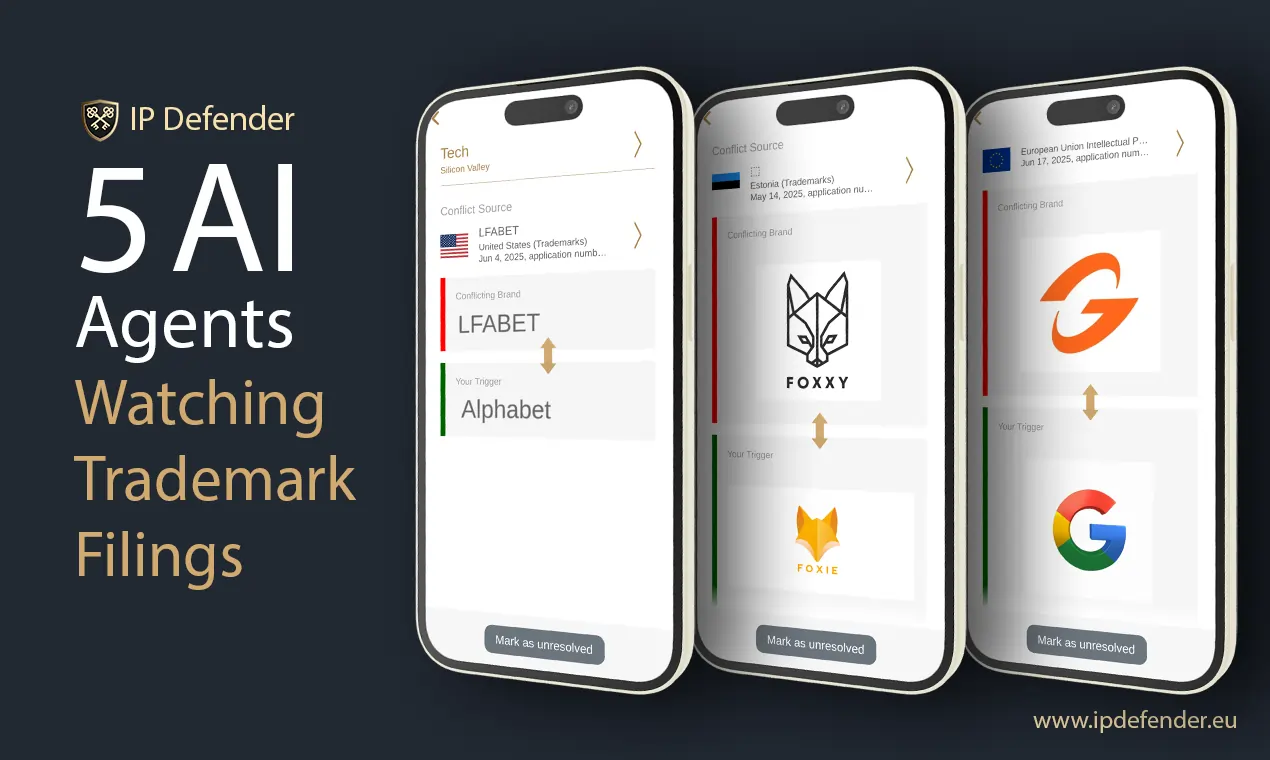
- Niższe koszty prawne: Oszczędzaj na opłatach prawnych, wykrywając naruszenia już na etapie . Dzięki temu unikniesz kosztownych postępowań sądowych.
- Silniejsze portfolio znaków towarowych: Utrzymuj defensywne portfolio znaków towarowych, które świadczy o dyscyplinie przed inwestorami i nabywcami, chroniąc wycenę i potencjał wzrostu Twojej marki.
- Wzmocnij Pozycję Prawną: Zabezpiecz szczegółowe swoich działań w zakresie ochrony marki, aby zbudować solidny fundament prawny na wypadek potencjalnych sporów.
- Zwiększ pewność swojej marki: Trzymaj konkurencję w szachu i chroń cenną reputację swojej marki dzięki usłudze IP Defender.
Ryzyko związane z brakiem monitorowania znaków towarowych i marek pod kątem naruszeń
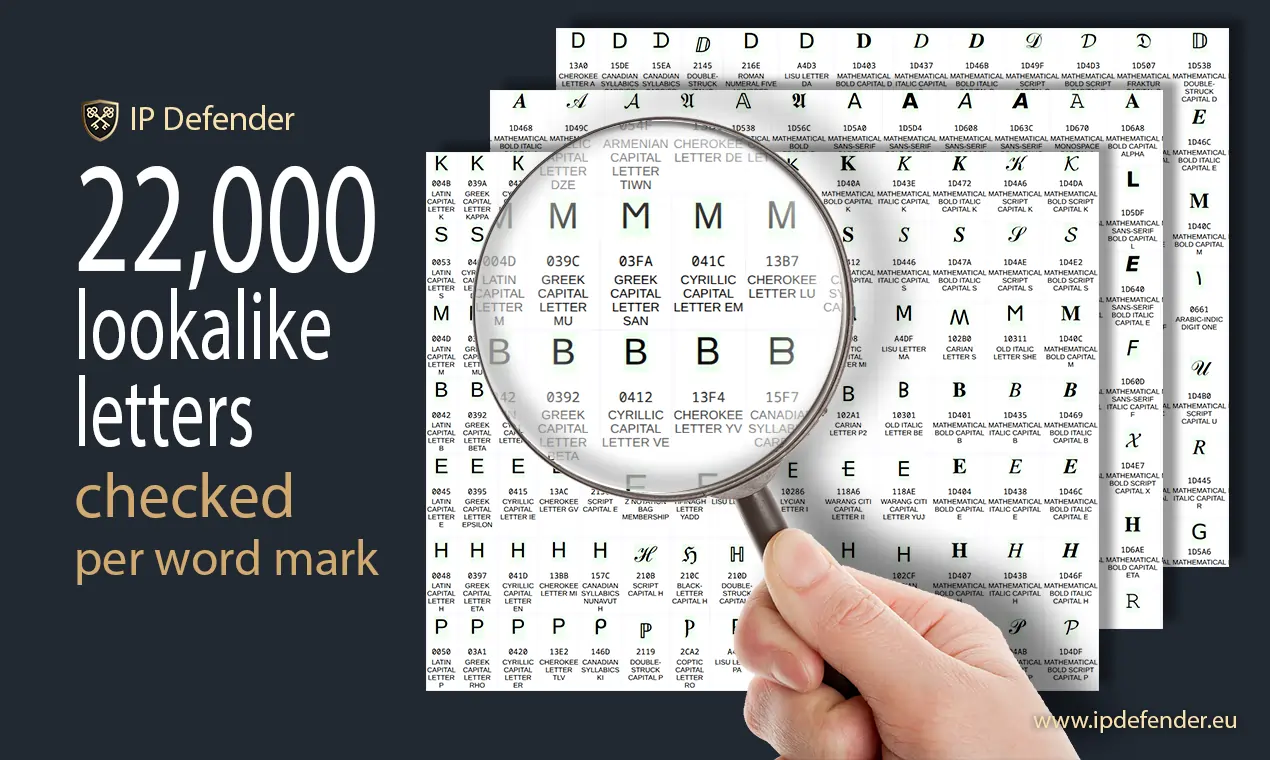
- Fuzje i przejęcia: Luki w portfelach znaków towarowych mogą skutkować problemami prawnymi po fuzji, odstraszając potencjalnych nabywców lub inwestorów.
- Szkody dla reputacji: Naruszenia mogą polegać na rejestracji podobnych nazw, co wprowadza klientów w błąd i szkodzi reputacji Twojej marki.
- Utrata praw prawnych: Zaniedbanie aktywnego monitorowania i egzekwowania praw do swojej marki osłabia ochronę prawną i stwarza ryzyko .
- Globalne ryzyko naruszeń: Naruszyciele mogą rejestrować znaki towarowe w wielu krajach bez wykrycia, utrudniając globalną ochronę marki.
Twoja marka to Twój najcenniejszy zasób
Dla startupów budujących wycenę oraz inwestorów chroniących spółki portfelowe werdykt liderów biznesu i organów prawnych jest jednoznaczny: Twoja marka to Twój najcenniejszy aktyw, a jej ochrona – w tym monitoring znaków towarowych i zastrzeganie znaków towarowych – jest absolutnie niezbędna.
Twoja marka to najważniejsza inwestycja, jaką możesz poczynić w swoim biznesie.
Spośród wszystkich aktywów Twojej firmy, marki są zdecydowanie najważniejsze i najtrudniejsze do ochrony.
Właściciele znaków towarowych muszą czujnie chronić swoje znaki, aby zapobiec ich rozcieńczeniu i naruszeniom – brak działania grozi utratą praw.
Dlaczego warto wybrać IP Defender?
Od startupów na wczesnym etapie rozwoju po spółki wzrostowe finansowane przez inwestorów – usługa IP Defender zapewnia profesjonalną ochronę znaków towarowych na poziomie korporacyjnym, w cenach dostosowanych do możliwości młodych firm.

- Sprawdzona eksperckość: Zaufanie od 2015 roku – udoskonaliliśmy nasze algorytmy, aby zapewniać bezkonkurencyjną dokładność w monitorowaniu znaków towarowych.
- Zasięg globalny: Kompleksowy, ciągły monitoring znaków towarowych w ponad 40 krajach, aby chronić Twoją markę na całym świecie.
- Zaawansowana technologia: Nasze autorskie rozwiązania oparte na sztucznej inteligencji i algorytmach przewyższają inne narzędzia, gwarantując precyzyjną ochronę znaków towarowych.
- Dedykowane zasoby: Dzięki najnowocześniejszemu sprzętowi AI firmy NVIDIA oferujemy wyniki najwyższej jakości w konkurencyjnych cenach.
- Zaufanie profesjonalistów: Firmy polegają na nas w zakresie niezawodnego, skutecznego i proaktywnego monitorowania znaków towarowych.
Aktualności
Sąd Apelacyjny dla Czwartego Okręgu podtrzymał tymczasowy zakaz wobec równoległych importerów firmy Gilead Sciences, orzekając, że nieoznakowane zagraniczne leki na HIV wywołują odpowiedzialność z tytułu naruszenia znaku towarowego w myśl ustawy Lanham. Sąd zastosował doktrynę istotnych różnic, stwierdzając, że pominięcie ostrzeżeń i identyfikatorów specyficznych dla rynku USA czyni towary nieoryginalnymi, niezależnie od ich równoważności chemicznej. Ponadto dostawcy usług ponieśli odpowiedzialność za współudział, ponieważ sama konstruktywna wiedza o rozbieżnościach w oznakowaniu wystarczyła do ustalenia naruszenia. To precedensowe rozstrzygnięcie podkreśla, że luki w kontroli jakości oraz ułatwianie działań przez strony trzecie narażają przedsiębiorstwa na znaczne ryzyko prawne w przypadku omijania krajowych protokołów bezpieczeństwa.
Reforma chińskiego prawa o znakach towarowych z 2026 r. wprowadza surowsze kary za zgłoszenia w złej wierze oraz rozszerza ochronę niezarejestrowanych znaków renomowanych, co może oznaczać koniec polegania na masywnych portfelach znaków defensywnych. Eksperci zalecają strategię przejściową zamiast natychmiastowej rezygnacji z tych zabezpieczeń. Ochrona kształtów produktów wymaga równoległego stosowania patentów na wzory przemysłowe i dowodów nieuczciwej konkurencji, podczas gdy marki zachodnie muszą udokumentować swoją globalną renomę danymi z lokalnego rynku, aby skutecznie wykorzystać nowe standardy prawne w zakresie ochrony znaków towarowych.
Wniosek federalny ujawnia złożony spór o znak towarowy „KITTYSAURUS" między Kyle'em Weinandym a firmą Euphoric Brothers Ltd. Podczas gdy Weinandy posiada rejestrację z 2013 roku dotyczącą artykułów papierniczych i drukowanej beletrystyki, Euphoric Brothers zaczęło używać tej nazwy w 2023 roku w odniesieniu do gadżetów gamingowych i zakupów w aplikacjach w grze Garten of Banban. Sprawa ta uwypukla kluczowe ryzyka we współczesnym prawie własności intelektualnej, gdzie nakładające się klasy towarów i usług, takie jak gry cyfrowe i fizyczne zabawki, prowadzą do zamieszania. Konflikt ten podkreśla konieczność prowadzenia ciągłego monitoringu znaków towarowych oraz przeprowadzania dokładnych wyszukiwań w celu uniknięcia kosztownych sporów sądowych o naruszenie praw w ramach rozwijających się kategorii rynkowych.
Od 1 września 2026 r. Rosja wprowadza obowiązkową weryfikację tożsamości poprzez portal Gosuslugi dla wszystkich domen .ru, .рф i .su. Podmioty zagraniczne, które nie posiadają lokalnej osobowości prawnej ani rosyjskich rachunków bankowych, zostaną de facto wykluczone z zarządzania tymi aktywami cyfrowymi. Brak weryfikacji skutkuje wygaśnięciem domeny i potencjalną utratą na rzecz konkurencji lub cybersquatterów po zakończeniu bieżącego okresu rejestracji. Firmy międzynarodowe muszą niezwłocznie podjąć działania w celu ograniczenia tego ryzyka. Skuteczne strategie obejmują przeniesienie własności na istniejące rosyjskie spółki zależne, skorzystanie z usług lokalnych powierników zapewniających zgodność z przepisami lub migrację usług do międzynarodowych stref domenowych, takich jak .com, przed upływem terminu. Ta zmiana regulacyjna uwypukla kruchość polegania na krajowych domenach najwyższego poziomu w regionach wrażliwych geopolitycznie bez solidnej lokalnej infrastruktury.
Sąd Kasacyjny w Turcji stwierdził nieważność znaku towarowego „RIANNA" na rzecz Rihanny, potwierdzając, że ochrona znaków towarowych obejmuje podobieństwo wizualne i fonetyczne, a nie tylko identyczne brzmienie czy zapis. Orzeczenie podkreśla konieczność holistycznej oceny znaków w celu zapobiegania wprowadzaniu konsumentów w błąd. Wskazuje również, jak globalna sława wspiera lokalne egzekwowanie praw na podstawie tureckiej ustawy o własności przemysłowej. Przedsiębiorstwa muszą prowadzić monitoring znaków towarowych pod kątem produktów imitujących ich markę i reagować wcześnie, aby chronić wartość marki przed drobnymi odmianami.
Sąd Apelacyjny Dziewiątego Okręgu orzekł na korzyść firmy VIP Products, oddalając roszczenie Jack Daniel's, jakoby zabawka „Bad Spaniels" naruszała renomę marki poprzez jej szkodzenie (tarnishment). Orzeczenie to ustanawia wyższy standard dowodowy dla powódów, wymagając udowodnienia sławy konkretnych znaków towarowych oraz przedstawienia dowodów szkody dla reputacji odniesionych do określonych produktów, zamiast opierania się na ogólnych założeniach z zakresu psychologii konsumentów. Co kluczowe, sąd uznał, że w przypadku ewidentnych parodii ciężar dowodu spoczywający na powodzie zostaje zwiększony, ponieważ konsumenci najprawdopodobniej rozpoznają element humorystyczny, a nie będą kojarzyć wyśmiewania ze starszym znakiem towarowym.
Sąd w Kazachstanie unieważnił rejestrację znaku towarowego PREMIER, stwierdzając, że Abdinabi Rakhmankulov działał w złej wierze, wykorzystując swoje prawa do zakłócania legalnych łańcuchów dostaw. Orzeczenie podkreśla, że sama formalna rejestracja nie gwarantuje ochrony, jeśli nabycie lub egzekwowanie praw narusza zasady słuszności.
Panel arbitrażowy nakazał przeniesienie domeny www.runwaycatalog.in na rzecz firmy 9562532 Canada Inc., potwierdzając, że krajowe domeny najwyższego poziomu nie wyłączają odpowiedzialności za naruszenie praw do znaku towarowego. Orzeczenie to ustala, że dalsze utrzymywanie rejestracji nazwy naruszającej prawa stanowi „ciągłe naruszenie", co pozwala pominąć zarzuty przedawnienia roszczeń. Wyrok ten obniża bariery dowodowe dla skarżących, precyzując jednocześnie, że zapisy elektroniczne są wystarczające do udowodnienia złej wiary przy cybersquatterskim przejmowaniu domen.
Argentyna przyjęła nowe przepisy, które znacznie upraszczają przenoszenie praw własności intelektualnej, dostosowując procedury administracyjne do globalnych najlepszych praktyk. Narodowy Instytut Własności Przemysłowej (INPI) zrezygnował z uciążliwych formalności dyplomatycznych dla podmiotów zagranicznych, znosząc wymóg apostille oraz legalizacji konsularnej dla dokumentów wystawionych poza granicami kraju. Ramy prawne precyzują, że przeniesienie własności skutkuje od daty zgłoszenia, a nie od momentu ostatecznej decyzji, co umożliwia szybsze dochodzenie praw i ustalenie tytułu własności. Przepisy pozwalają również każdej ze stron na inicjowanie rejestracji oraz składanie zdigitalizowanych wniosków za pośrednictwem portalu online. Zmiana ta ogranicza biurokratyczne bariery, ale wymaga od firm prowadzenia aktywnego monitoringu znaków towarowych, aby śledzić szybkie zmiany w strukturze własności podczas restrukturyzacji korporacyjnych.
Znowelizowana chińska ustawa o znakach towarowych, która wejdzie w życie 1 stycznia 2027 r., fundamentalnie zmienia system praw własności intelektualnej, stawiając rzeczywiste wykorzystanie komercyjne wyżej niż samą rejestrację. Reforma wprowadza kary finansowe za zgłoszenia dokonane w złej wierze, skraca termin na wniesienie sprzeciwu wobec znaku z trzech do dwóch miesięcy oraz uznaje działania cyfrowe za formę używania znaku towarowego. Kluczowe postanowienia obejmują rozszerzoną ochronę międzyklasową dla niezarejestrowanych znaków renomowanych, uwzględnianie korzyści osiągniętych przez naruszyciela przy obliczaniu odszkodowań oraz zaostrzenie wymogów zgodności dla podmiotów świadczących usługi w zakresie znaków towarowych. Firmy działające globalnie muszą zmodernizować swoje systemy monitoringu znaków towarowych i przeprowadzić audyt portfeli, aby dostosować się do tych rygorystycznych nowych standardów.
Zrozumienie okresu sprzeciwu
Gdy ktoś zgłasza znak towarowy, otwiera się bardzo krótki okres zwany oknem sprzeciwu. W tym czasie każda osoba, która uważa, że nowy znak zaszkodzi jej działalności lub koliduje z jej istniejącą marką (zarejestrowaną lub niezarejestrowaną), może wnieść sprzeciw, aby zablokować jego rejestrację.
Zaletą wniesienia sprzeciwu jest to, że jest on szybszy, tańszy i prostszy niż czekanie do momentu pełnej rejestracji znaku towarowego, a następnie próba jego unieważnienia. Po rejestracji znaku towarowego jego unieważnienie wymaga odrębnego postępowania prawnego, które jest dłuższe, droższe i trudniejsze do wygrania.
Dlaczego prowadzenie dokumentacji ma kluczowe znaczenie dla ochrony Twojej marki
Prowadzenie szczegółowej dokumentacji działań na rzecz ochrony marki jest kluczowe, ponieważ prawo wymaga dowodów na używanie i obronę znaku towarowego w celu utrzymania wyłącznych praw do niego.
Gdy sprawa trafi do sądu, sędziowie opierają się na tych dowodach – takich jak rejestracje, monitoring, dokumentacja sprzedaży i działania egwindykacyjne – aby potwierdzić Twoje prawa oraz to, czy ktoś naruszył prawa do Twojej marki. Bez odpowiedniej dokumentacji znacznie trudniej jest udowodnić swoje prawa, co utrudnia powstrzymanie nadużyć lub uzyskanie odszkodowania. Wymóg ten wynika z przepisów o znakach towarowych, które przyznają ochronę wyłącznie wtedy, gdy właściciel znaku aktywnie go używa i broni. Dzięki tej dokumentacji łatwiej i skuteczniej rozwiążesz wszelkie spory oraz obronisz swoją markę w sądzie lub podczas negocjacji.
Korzystanie z usług monitorowania IP Defender zapewnia wiarygodny i uporządkowany rejestr działań związanych z ochroną Twojej marki.
Dlaczego musisz aktywnie chronić swoje prawa do znaku towarowego
Sama rejestracja znaku towarowego to za mało – właściciele muszą aktywnie chronić swoją markę, aby zachować wyłączne prawa.
Prawo znaków towarowych zobowiązuje właścicieli marek do aktywnego nadzoru nad ich znakami. Oznacza to regularne monitorowanie nieautoryzowanych lub myląco podobnych użyć, egzekwowanie praw wobec naruszycieli oraz dbanie o obecność i reputację marki na rynku.
Zaniedbanie tych obowiązków może doprowadzić do unieważnienia rejestracji lub uznania jej za porzuconą, co skutkuje utratą praw wyłącznych i ochrony.
Przed cofnięciem lub ograniczeniem praw do znaku towarowego sądy i urzęły patentowe oceniają, czy właściciel znaku aktywnie go używał, monitorował i chronił zgodnie z wymogami prawa.