















































Proč startupy a investoři volí službu IP Defender
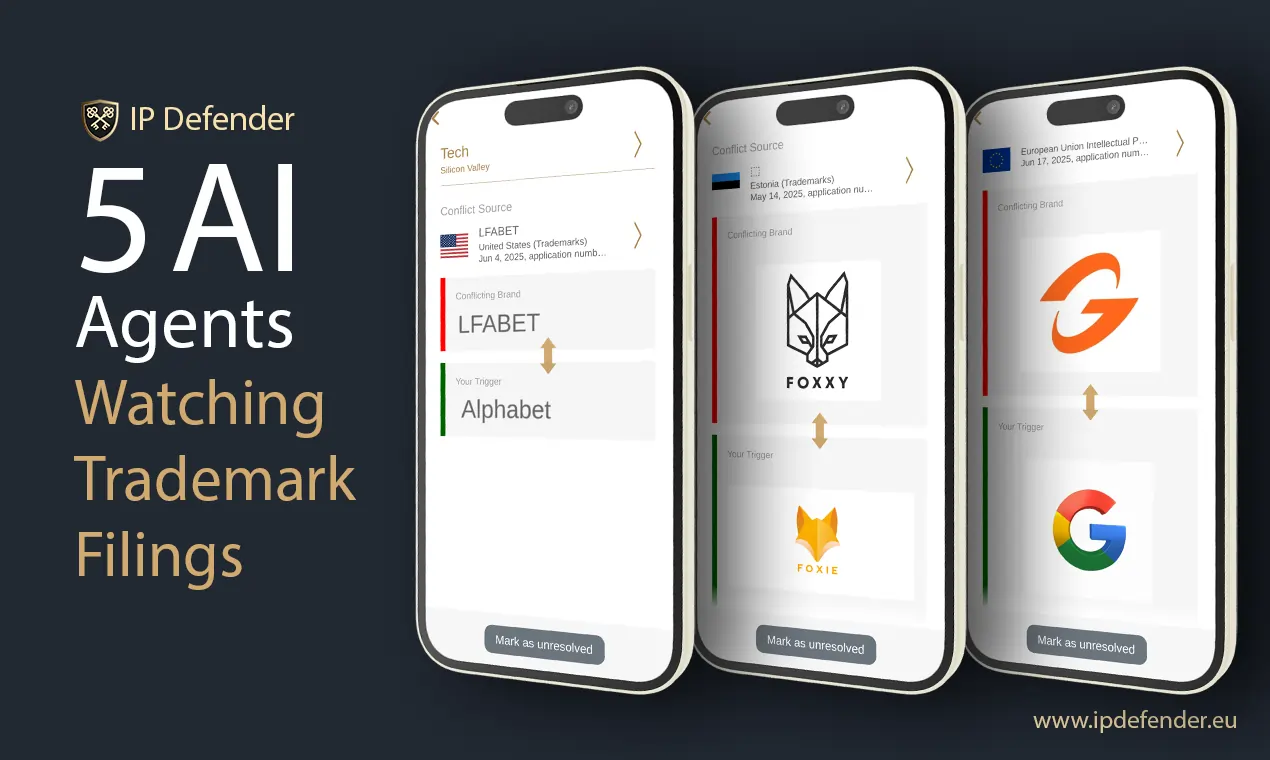
- Nižší právní náklady: Ušetřete na právních poplatcích díky včasnému odhalení porušení v rámci . Pomůže vám to předejít nákladným soudním sporům.
- Silnější portfolio ochranných známek: Udržujte obhajitelné portfolio ochranných známek, které investorům a kupcům signalizuje disciplínu, chrání hodnotu vaší značky a podporuje její růst.
- Posilněte si právní pozici: Uchovávejte důkladné o ochraně své značky k vybudování pevného právního základu pro případné spory.
- Posilte jistotu své značky: Udržte své konkurenty na uzdě a ochraňte cennou pověst své značky pomocí naší služby.
Rizika nemonitorování ochranných známek a značek z hlediska porušování práv
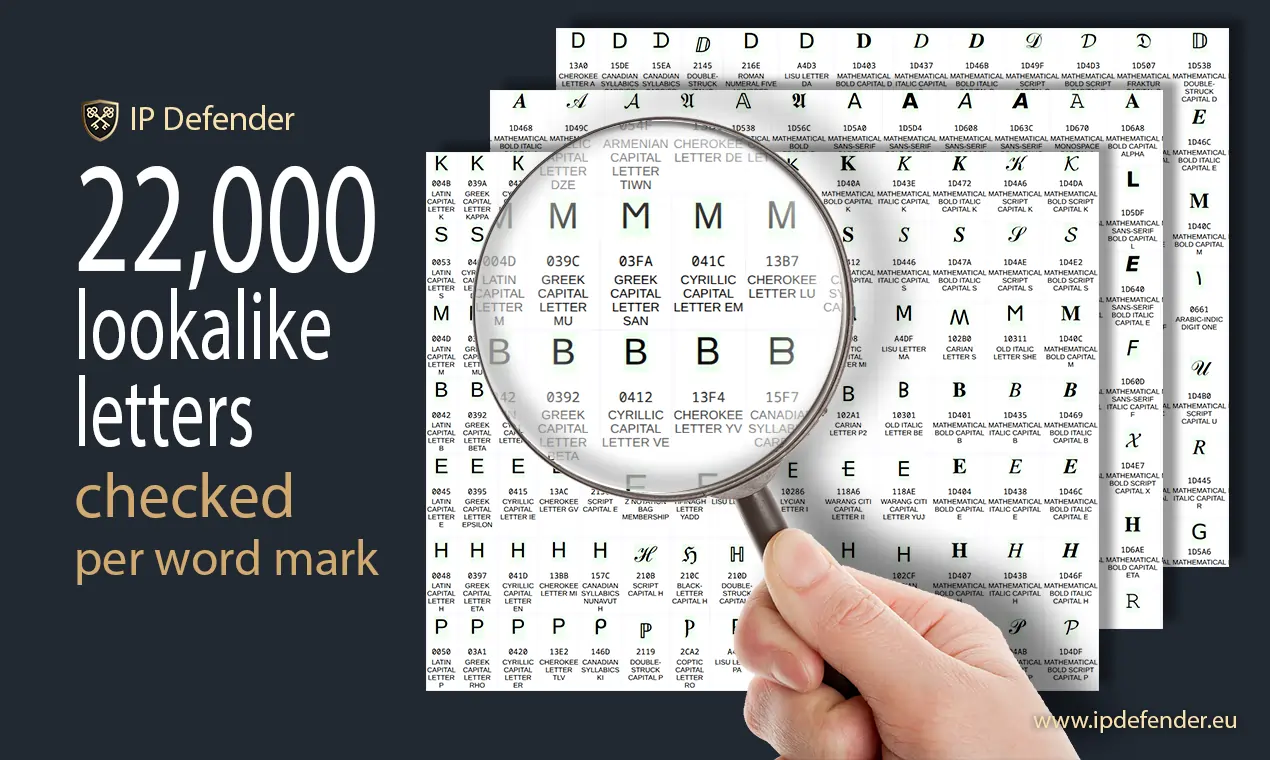
- Fúze a akvizice: Mezery v portfoliu ochranných známek mohou po fúzi vést k právním problémům a odradit potenciální kupce či investory.
- Poškození pověsti: Pachatelé mohou registrovat podobné názvy, což mate zákazníky a poškozuje pověst vaší značky.
- Ztráta právních nároků: Zanedbání aktivního monitoringu a vymáhání ochrany vaší značky oslabuje vaši právní ochranu a hrozí .
- Globální rizika porušování práv: Porušovatelé si mohou v různých zemích nechávat registrovat ochranné známky bez odhalení, což komplikuje globální ochranu značky.
Vaše značka je váš nejcennější majetek
Pro startupy budující hodnotu i investory chránící společnosti ve svém portfoliu je verdikt podnikatelů a právních autorit jednoznačný: vaše značka je vaším nejcennějším aktivem a její ochrana je nepostradatelná.
Vaše značka je tou nejdůležitější investicí, kterou můžete ve svém podnikání udělat.
Ze všeho, co vaše společnost vlastní, jsou značky zdaleka nejdůležitější a nejvíce ohrožené.
Vlastníci ochranných známek musí své značky bedlivě monitorovat, aby předešli jejich oslabení a porušování; opomenutí tohoto kroku může vést ke ztrátě jejich práv.
Proč zvolit IP Defender?
Od začínajících startupů až po investory podporované růstové společnosti nabízí služba IP Defender ochranu značek na podnikové úrovni za ceny přizpůsobené startupům.

- Ověřená odbornost: Od roku 2015 nám důvěřují; naše algoritmy jsme zdokonalili tak, aby poskytovaly nepřekonatelnou přesnost při monitoringu ochranných známek.
- Globální dosah: Komplexní nepřetržitý monitoring ve více než 40 zemích pro celosvětovou ochranu vaší značky.
- Pokročilá technologie: Naše vlastní AI a algoritmy předčí ostatní nástroje a zajišťují přesnou ochranu ochranných známek.
- Vyhrazené zdroje: Díky špičkovému AI hardwaru NVIDIA poskytujeme prémiové výsledky za konkurenceschopné ceny.
- Důvěřují profesionálové: Firmy se spoléhají na naše spolehlivé, efektivní a proaktivní monitorování ochranných známek.
Aktuality
Čtvrtý obvodový odvolací soud potvrdil předběžné opatření proti paralelním dovozcům společnosti Gilead Sciences s tím, že nelabelované zahraniční léky na HIV zakládají odpovědnost za porušení ochranné známky podle Lanhamova zákona. Soud aplikoval doktrínu materiálních rozdílů a dospěl k závěru, že chybějící varování a identifikátory specifické pro USA činí zboží nepůvodním, bez ohledu na jeho chemickou ekvivalenci. Poskytovatelé služeb navíc čelí nepřímé odpovědnosti, protože k prokázání porušení postačuje konstruktivní vědomost o nesrovnalostech v označení. Tento precedens zdůrazňuje, že mezery v kontrole kvality a zapojení třetích stran vystavují podniky významnému právnímu riziku při obcházení domácích bezpečnostních protokolů.
Reforma čínského zákona o ochranných známkách z roku 2026 zavádí přísnější sankce pro přihlášky podané v bad faith a rozšiřuje ochranu nezapsaných proslulých ochranných známek, což signalizuje možný konec spoléhání se na masivní defenzivní portfolia. Experti doporučují přechodnou strategii namísto okamžitého opuštění těchto ochranných mechanismů. Ochrana tvarů výrobků vyžaduje souběžné průmyslové vzory a důkazy o nepoctivé soutěži, zatímco západní značky musí doložit svou globální proslulost daty z místního trhu, aby mohly efektivně využít nové právní standardy.
Federální podání odhaluje složitý spor o ochrannou známku mezi Kylem Weinandym a společností Euphoric Brothers Ltd. týkající se značky „KITTYSAURUS". Zatímco Weinandy vlastní registraci z roku 2013 pro papírnictví a tištěnou beletrii, společnost Euphoric Brothers začala tento název využívat v roce 2023 pro herní zboží a nákupy v aplikacích ve hře Garten of Banban. Tento případ poukazuje na kritická rizika v současném právu duševního vlastnictví, kde se překrývající se třídy, jako jsou digitální hry a fyzické hračky, stávají zdrojem záměny. Konflikt zdůrazňuje nezbytnost nepřetržitého monitoringu ochranných známek a důkladných rešerší před registrací ochranné známky, aby se předešlo nákladným soudním sporům kvůli porušení práv v rámci rozšiřujících se tržních kategorií.
Od 1. září 2026 vyžaduje Rusko povinné ověření identity prostřednictvím portálu Gosuslugi pro všechny domény .ru, .рф a .su. Zahraniční subjekty bez místní právní existence nebo ruských bankovních účtů čelí de facto vyloučení ze správy těchto digitálních aktiv. Neprovedení ověření vede k vypršení platnosti domény a potenciální ztrátě ve prospěch konkurentů nebo kyberskvaterů po skončení současného období. Mezinárodní podniky musí okamžitě jednat, aby toto riziko zmírnily. Životaschopné strategie zahrnují převod vlastnictví na stávající ruské dceřiné společnosti, využití služeb místních svěřenců pro zajištění souladu s předpisy nebo migraci služeb do mezinárodních zón, jako je .com, před uplynutím lhůty. Tato regulační změna zdůrazňuje křehkost spoléhání se na národní domény nejvyšší úrovně v geopoliticky citlivých regionech bez robustní místní infrastruktury.
Turecký kasační soud zrušil ochrannou známku „RIANNA" ve prospěch Rihanny a potvrdil, že ochrana ochranných známek se vztahuje na vizuální a fonetickou podobnost, nikoliv pouze na přesné shody. Rozsudek zdůrazňuje potřebu posuzovat ochranné známky jako celek, aby se předešlo záměně spotřebitelů. Zároveň ukazuje, jak globální proslulost podporuje místní vymáhání práv podle tureckého zákona o průmyslovém vlastnictví. Podniky by měly využívat služby jako hlídač ochranných známek či monitoring ochranných známek, včas reagovat na napodobeniny a chránit hodnotu své značky i proti drobným variacím prostřednictvím efektivního hlídání ochranné známky, sledování ochranných známek a včasné registrace ochranné známky.
Devátý obvodní odvolací soud rozhodl ve prospěch společnosti VIP Products a zamítl nárok společnosti Jack Daniel's, že její hračka „Bad Spaniels" poškozuje pověst značky. Toto rozhodnutí zavádí vyšší důkazní standard pro žalobce, kteří musí prokázat proslulost konkrétních ochranných známek a předložit důkazy o újmě na pověsti vztažené k danému produktu, nikoliv pouze obecné poznatky o chování spotřebitelů. Klíčové je, že soud konstatoval, že u zřejmých parodií roste důkazní břemeno žalobce, protože spotřebitelé s větší pravděpodobností rozpoznají humor, než aby si posměch spojovali s původní ochrannou známkou.
Kazachstánský soud zrušil registraci ochranné známky PREMIER s tím, že Abdinabi Rachmankulov jednal v nedobré víře, když využil svá práva k narušení legitimních dodavatelských řetězců. Rozhodnutí zdůrazňuje, že formální registrace nezaručuje ochranu, pokud získání nebo vymáhání práv porušuje zásady spravedlnosti.
Rozhodčí panel nařídil převod domény www.runwaycatalog.in na společnost 9562532 Canada Inc. a potvrdil, že národní domény nejvyšší úrovně (ccTLD) nevylučují porušení práv k ochranné známce. Toto rozhodnutí stanovuje, že pokračující registrace názvu porušujícího práva představuje „trvající protiprávní jednání", čímž obchází námitky promlčení. Toto ruling snižuje důkazní břemeno pro stěžovatele a upřesňuje, že elektronické záznamy postačují k prokázání kybersquattingu v bad faith.
Argentina přijala nová nařízení, která výrazně zjednodušují převod práv duševního vlastnictví a sladila své správní postupy s globálními osvědčenými praktikami. Národní úřad průmyslového vlastnictví (INPI) odstranil náročné diplomatické formality pro zahraniční subjekty a zrušil požadavek na apostily a konzulární legalizaci dokumentů vydaných mimo zemi. Nový rámec upřesňuje, že převody vlastnictví nabývají účinnosti dnem podání žádosti, nikoliv až konečným schválením, což umožňuje rychlejší vymáhání práv a stanovení titulu. Rovněž umožňuje kterékoli straně iniciovat registraci a předkládat digitalizované podání prostřednictvím online portálu. Tento posun snižuje byrokratické překážky, ale vyžaduje od podniků aktivní monitoring ochranných známek, aby mohly sledovat rychlé změny ve vlastnictví během firemních restrukturalizací.
Aktualizovaný zákon o ochranných známkách v Číně, který nabude účinnosti 1. ledna 2027, zásadně restrukturalizuje práva duševního vlastnictví tím, že upřednostňuje skutečné komerční užívání před pouhou registrací. Tato rozsáhlá novela zavádí finanční sankce za přihlášky podané v nedobré víře, zkracuje lhůtu pro podání námitky proti ochranné známce ze tří na dva měsíce a uznává digitální aktivity jako platné užívání ochranné známky. Mezi klíčová ustanovení patří rozšířená mezitřídní ochrana pro nezapsané pověstné ochranné známky, zohlednění zisků pachatele při výpočtu náhrad škody a přísnější požadavky na soulad pro agentury zabývající se ochrannými známkami. Globální podniky musí modernizovat své systémy pro monitoring ochranných známek a provést audit svých portfolií, aby odpovídaly těmto novým přísným standardům.
Jak funguje období pro námitky
Když někdo podá žádost o ochrannou známku, existuje velmi krátké období zvané lhůta pro námitky. Během této lhůty může kdokoli, kdo se domnívá, že nová ochranná známka poškodí jeho podnikání nebo bude v rozporu s jeho stávající značkou, podat námitku a zabránit její registraci.
Výhodou podání námitky je, že je rychlejší, levnější a přímočařejší než čekat na plnou registraci ochranné známky a následně se snažit o její zrušení. Jakmile je ochranná známka zaregistrována, vyžaduje její zrušení samostatný právní proces, který je delší, dražší a obtížněji vyhratelný.
Proč je evidence důležitá pro ochranu vaší značky
Vedení podrobných záznamů o ochraně vaší značky je zásadní, protože zákon vyžaduje důkaz, že svou ochrannou známku používáte a bráníte ji, abyste si zachovali výhradní práva.
Pokud se spor dostane před soud, soudci se opírají o tyto důkazy – jako jsou zápisy ochranných známek, monitorování, záznamy o prodeji a vymáhání práv – aby potvrdili vaše vlastnictví a zda došlo k porušení vaší ochranné známky. Bez řádné dokumentace je mnohem obtížnější prokázat svá práva, což ztěžuje zastavení zneužití nebo získání náhrady. Tento požadavek vychází ze zákonů o ochranných známkách, které poskytují ochranu pouze tehdy, když majitel značky svou značku aktivně používá a brání. Tato papírová stopa usnadňuje a posilňuje řešení sporů a ochranu vaší značky před soudem či při jednáních.
Využívání monitorovacích služeb IP Defender poskytuje spolehlivý a přehledný záznam o vašich aktivitách v oblasti ochrany značky.
Proč musíte aktivně chránit svá ochranná známka
Samotná registrace ochranné známky nestačí; majitelé musí svou značku aktivně chránit, aby si zachovali svá výhradní práva.
Zákon o ochranných známkách vyžaduje, aby majitelé značek aktivně dohlíželi na své ochranné známky. To znamená pravidelné monitorování neoprávněných nebo matoucně podobných použití, vymáhání práv proti porušovatelům a udržování své přítomnosti a pověsti na trhu.
Pokud tyto povinnosti zanedbáte, může být vaše ochranná známka zrušena nebo prohlášena za zaniklou, čímž přijdete o výhradní práva a ochranu.
Před zrušením nebo omezením práv k ochranné známce soudy a úřady pro ochranné známky posuzují, zda její majitel aktivně užíval, monitoroval a chránil svou ochrannou známku, jak vyžaduje zákon.