















































מדוע סטארטאפים ומשקיעים בוחרים ב-IP Defender
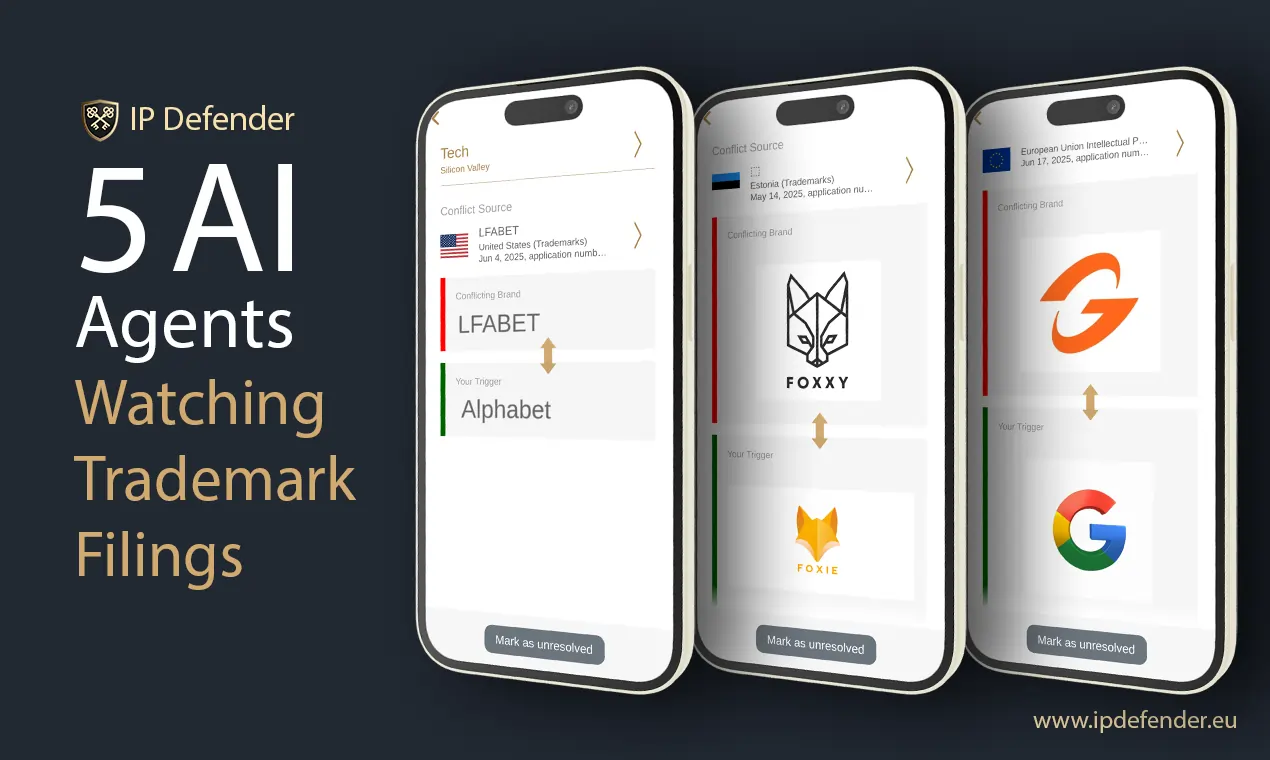
- הפחתת עלויות משפטיות: חסכו בהוצאות משפטיות על ידי זיהוי הפרות בשלב מוקדם, במהלך . כך תימנעו מהליכים משפטיים יקרים.
- תיק סימני מסחר חזק יותר: שמרו על תיק סימני מסחר הניתן להגנה, המשדר משמעת למשקיעים ולרוכשים, ומגן על שווי המותג ועל צמיחתו.
- חיזוק העמדה המשפטית: שמרו על מקיפים של מאמצי הגנת המותג שלכם, כדי לבנות בסיס משפטי איתן במקרה של סכסוכים פוטנציאליים.
- חזקו את הביטחון במותג: שמרו על המתחרים בשליטה והגנו על המוניטין היקר של המותג שלכם באמצעות שירות IP Defender.
הסיכונים שבאי ניטור מותגים וסימני מסחר מפני הפרות
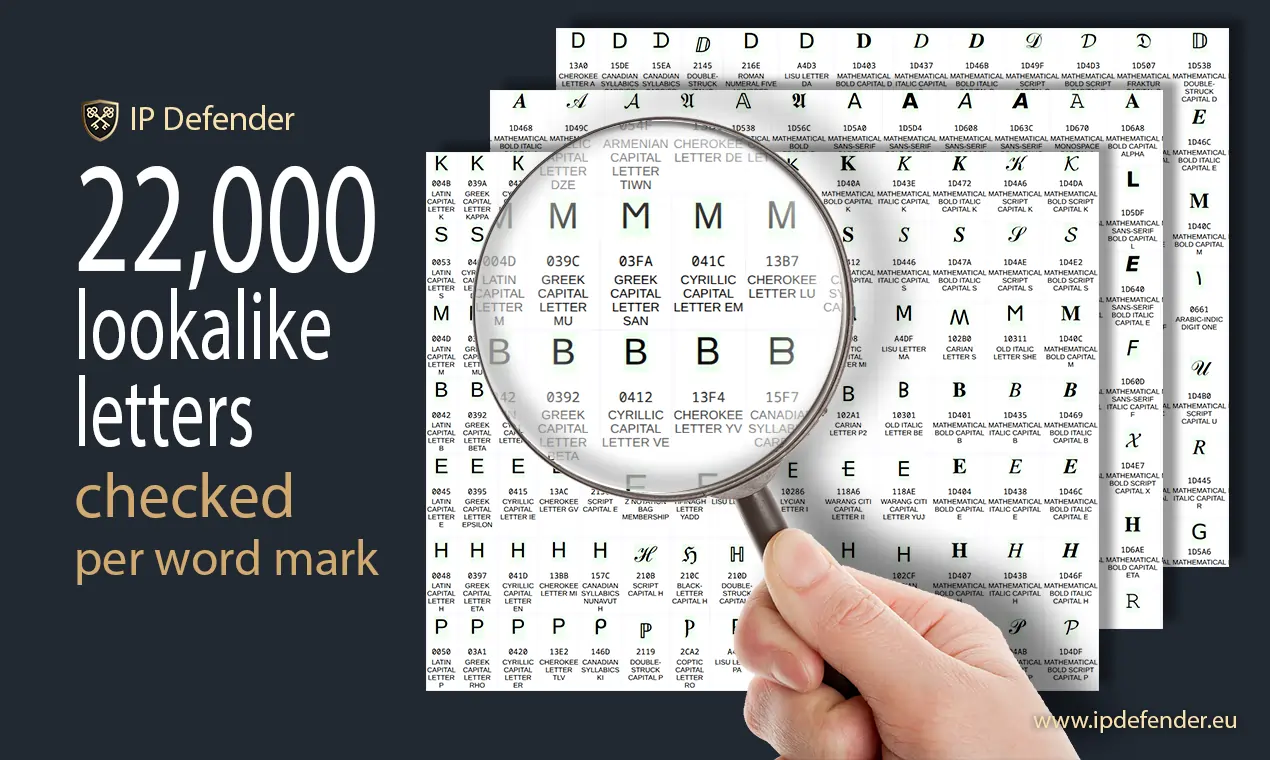
- מיזוגים ורכישות: פערים בתיקי סימני המסחר עלולים להוביל לסוגיות משפטיות לאחר המיזוג, ולהרתיע קונים או משקיעים פוטנציאליים.
- פגיעה במוניטין: מפרים עלולים לרשום שמות דומים, לבלבל לקוחות ולפגוע במוניטין המותג שלך.
- אובדן זכויות משפטיות: הזנחת ניטור ואכיפה אקטיביים של המותג שלך מחלישה את ההגנה המשפטית וחושפת אותך לסיכון של .
- סיכוני הפרה גלובליים: מפרים יכולים לרשום סימני מסחר במדינות רבות מבין שזוהו, מה שמסבך את ההגנה הגלובלית על המותג.
המותג שלך הוא הנכס היקר ביותר שלך
עבור סטארטאפים הבונים הערכת שווי ועבור משקיעים המגינים על חברות בתיק ההשקעות שלהם, המסקנה של מובילים עסקיים ושל רשויות המשפט היא חד-משמעית: המותג שלכם הוא הנכס האולטימטיבי שלכם, וההגנה עליו אינה ניתנת למיקוח.
המותג שלך הוא ההשקעה החשובה ביותר שתוכל לעשות בעסק שלך.
מבין כל נכסי החברה שלך, המותגים הם ללא ספק החשובים ביותר – וגם הקשים ביותר להגנה.
בעלי סימני מסחר חייבים לפקח בקפידה על הסימנים שלהם כדי למנוע דילול והפרה; אי־עשיית כן עלולה להוביל לאובדן זכויותיהם.
למה לבחור ב-IP Defender?
מסטארטאפים בשלבים הראשונים ועד לחברות צמיחה הנתמכות על ידי משקיעים, שירות IP Defender מספק הגנה על סימן מסחר ברמה ארגונית במחירים ידידותיים לסטארטאפים.
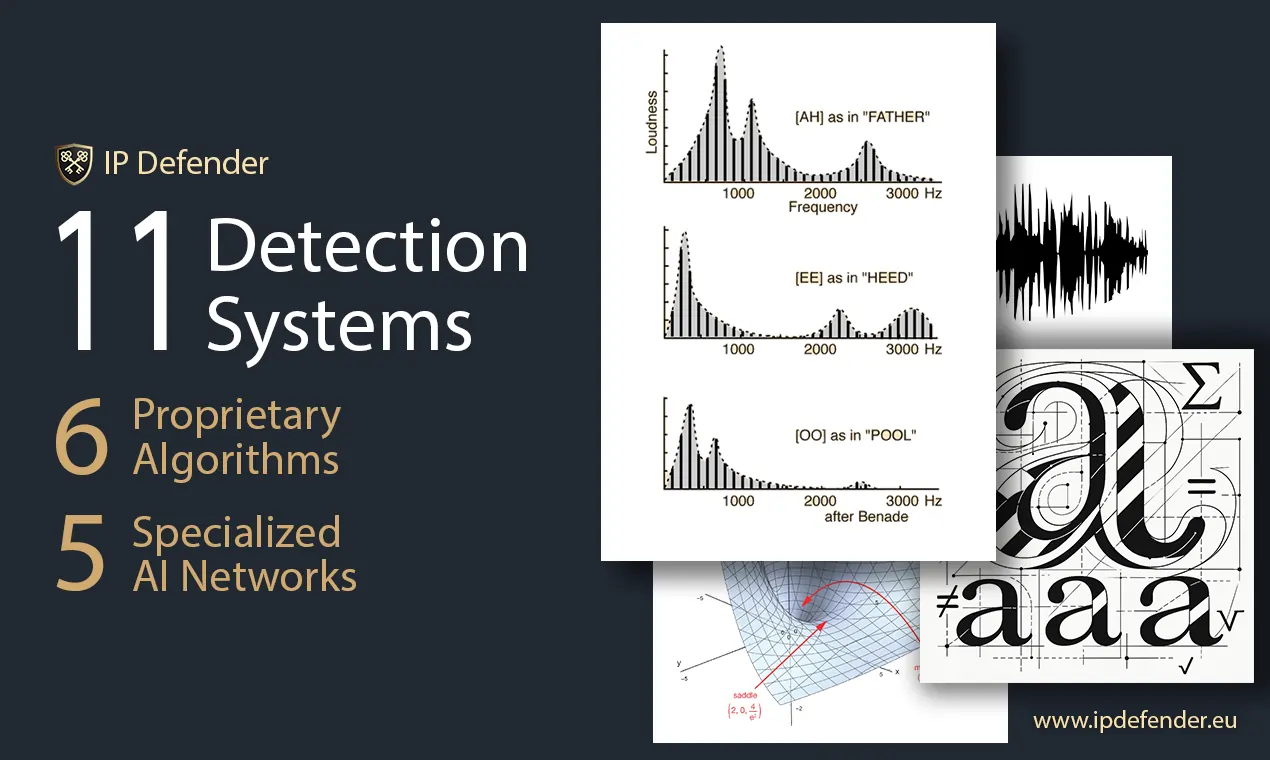
- מומחיות מוכחת: מאז 2015 אנו זוכים לאמון, ושכללנו את האלגוריתמים שלנו כדי לספק דיוק חסר תקדים בניטור סימני מסחר.
- כיסוי עולמי: מוניטורינג רציף ומקיף ביותר מ-40 מדינות להגנת המותג שלך ברחבי העולם.
- טכנולוגיה מתקדמת: הבינה המלאכותית והאלגוריתמים הייחודיים שלנו מתעלים על כלים אחרים ומבטיחים הגנה מדויקת על סימני מסחר.
- משאבים ייעודיים: בזכות חומרת בינה מלאכותית מתקדמת של NVIDIA, אנו מספקים תוצאות איכותיות במחירים תחרותיים.
- נבחר על ידי אנשי מקצוע: עסקים סומכים עלינו לשירות ניטור סימני מסחר אמין, יעיל ויוזם.
חדשות אחרונות
בית המשפט לערעורים במחוז הרביעי אישר צו מניעה זמני נגד יבואנים מקבילים של גיליאד סיינסז, וקבע כי תרופות HIV מיובאות מחו"ל ללא תוויות מתאימות מהוות הפרת סימן מסחר לפי חוק לאנהם. בית המשפט יישם את דוקטרינת ההבדלים המהותיים, וקבע כי השמטת אזהרות וסימנים ייעודיים לארה"ב הופכת את המוצרים ללא-אותנטיים, גם אם הם זהים מבחינה כימית. בנוסף, ספקי שירותים נושאים באחריות משותפת להפרה, שכן ידיעה קונסטרוקטיבית לגבי פערים בתוויות מספיקה כדי לבסס אחריות. תקדים זה מדגיש כי פערים בבקרת איכות ומעורבות צד שלישי חושפים עסקים לסיכון משפטי ניכר כאשר הם עוקפים פרוטוקולי בטיחות מקומיים.
רפורמות חוק סימני המסחר בסין לשנת 2026 מציגות עונשים מחמירים יותר עבור הגשות בחוסר תום לב והרחבת ההגנה על סימנים מסחריים מפורסמים לא רשומים, אות המעיד על סיום אפשרי של ההסתמכות על תיקי הגנה עצומים. מומחים מייעצים לנקוט באסטרטגיית מעבר ולא לנטוש מיד מאגרים אלו. הגנה על צורות מוצר דורשת שילוב של פטנטים לעיצוב וראיות לתחרות בלתי הוגנת, בעוד שמותגים מערביים חייבים לבסס את פרסומם העולמי באמצעות נתוני שוק מקומיים כדי לנצל ביעילות את הסטנדרטים המשפטיים החדשים.
תביעה פדרלית חושפת סכסוך סימני מסחר מורכב בין קייל וייננדי לבין Euphoric Brothers Ltd. סביב הסימן 'KITTYSAURUS'. בעוד שלוייננדי יש רישום סימן מסחר משנת 2013 עבור כלי כתיבה וספרות בדפוס, החברה השתמשה בשם ב-2023 עבור מוצרי גיימינג ורכישות בתוך האפליקציה במשחק Garten of Banban. מקרה זה מדגיש סיכונים קריטיים בדיני קניין רוחני מודרניים, שבהם מחלקות חופפות כמו משחקים דיגיטליים וצעצועים פיזיים יוצרות בלבול. הסכסוך מדגיש את הצורך הדחוף במעקב סימני מסחר מתמשך ובבדיקת סימני מסחר יסודית כדי להימנע מהתדיינויות יקרות על הפרת סימן מסחר בקטגוריות שוק מתרחבות.
החל ב-1 בספטמבר 2026, רוסיה תחייב אימות זהות דרך פורטל Gosuslugi עבור כל הדומיינים בסיומות .ru, .рף ו-.su. גופים זרים שאין להם נוכחות משפטית מקומית או חשבון בנק רוסי יימצאו למעשה במצב של הדרה מניהול נכסים דיגיטליים אלו. אי-ביצוע האימות יוביל לפקיעת הדומיין ולסיכון לאובדנו לטובת מתחרים או תופסי דומיינים (cybersquatters) עם סיום התקופה הנוכחית. עסקים בינלאומיים חייבים לפעול מיידית כדי למזער סיכון זה. האסטרטגיות המעשיות כוללות העברת הבעלות לחברות-בת רוסיות קיימות, שימוש בשירותי נאמנות מקומיים לצורך עמידה בדרישות הרגולטוריות, או העברת השירותים לאזורים בינלאומיים כמו .com לפני המועד האחרון. שינוי רגולטורי זה מדגיש את הפגיעות הכרוכה בהסתמכות על דומיינים ברמה העליונה לפי קוד מדינה (ccTLD) באזורים בעלי רגישות גיאופוליטית, ללא תשתית מקומית איתנה.
בית המשפט לערעורים בטורקיה ביטל את הסימן 'RIANNA' לטובת ריהאנה, תוך חיזוק העיקרון שההגנה על סימן מסחר חלה גם על דמיון חזותי ופונטי, ולא רק על זהות מוחלטת. הפסיקה מדגישה את הצורך לבחון סימנים באופן הוליסטי כדי למנוע בלבול בקרב הצרכנים, ומדגימה כיצד תהילה גלובלית מחזקת את האכיפה המקומית מכוח חוק הקניין התעשייתי של טורקיה. עסקים נדרשים לבצע מעקב סימני מסחר אחר חיקויים ולפעול בשלב מוקדם כדי להגן על ערך המותג מפני שינויים קלים.
בית המשפט לערעורים במחוז התשיעי פסק לטובת VIP Products, ודחה את טענת ג'ק דניאלס לפיה צעצוע ה-'Bad Spaniels' פגע במוניטין המותג (Tarnishment). ההחלטה קובעת רף ראיות גבוה יותר לתובעים, המחייב הוכחת פרסום של סימני מסחר ספציפיים והצגת ראיות ממוקדות-מוצר בדבר פגיעה במוניטין, במקום הסתמכות על תיאוריות כלליות בפסיכולוגיה של הצרכן. באופן מכריע, בית המשפט קבע כי במקרה של פרודיה ברורה, עול הראיות על התובע עולה, שכן סביר שהצרכנים יזהו את ההומור ולא יקשרו את הלעג לסימן המסחר הוותיק.
בית משפט בקזחסטן ביטל את רישום סימן המסחר "PREMIER", וקבע כי עבדינבי רחמנקולוב פעל בחוסר תום לב בשימוש בזכויותיו כדי לשבש שרשראות אספקה לגיטימיות. ההחלטה מדגישה כי רישום פורמלי אינו מבטיח הגנה על סימן מסחר אם הרכישה או האכיפה מפרות עקרונות של יושר והוגנות.
ועדת בוררות הורתה על העברת הדומיין www.runwaycatalog.in לחברת 9562532 Canada Inc., תוך אישור כי דומיינים ברמה העליונה המבוססי קוד מדינה אינם שוללים הפרת סימן מסחר. ההחלטה קובעת כי המשך רישום שם הפוגע בסימן מסחר מהווה "עוולה מתמשכת", ובכך עוקפת טענות הגנה המסתמכות על התיישנות. פסק הדין מנמיך את רף הראיות הנדרש מצד המתלוננים, ומבהיר כי תיעוד אלקטרוני די בו כדי להוכיח רישום דומיין בחוסר תום לב (cybersquatting).
ארגנטינה אימצה תקנות חדשות שמפשטות באופן ניכר את העברת זכויות קניין רוחני, ומיישרות את הליכים המנהליים שלה עם הסטנדרטים המובילים בעולם. המכון הלאומי לקניין תעשייתי (INPI) ביטל פורמליות דיפלומטיות כבדות עבור גופים זרים, והסיר את הדרישה לאפוסטיל ולאישור קונסולרי למסמכים שהונפקו מחוץ למדינה. המסגרת החדשה מבהירה כי העברות בעלות נכנסות לתוקף במועד ההגשה ולא במועד האישור הסופי, דבר המאפשר אכיפה מהירה יותר וביסוס זכות הבעלות. כמו כן, התקנות מתירות לכל אחד מהצדדים ליזום את הרישום ולהגיש בקשות ממוחשבות באמצעות פורטל מקוון. שינוי זה מפחית חיכוך בירוקרטי, אך מחייב עסקים לבצע מעקב סימני מסחר יזום כדי לעקוב אחר שינויים מהירים בבעלות במהלך ארגון מחדש של חברות.
חוק סימני המסחר המעודכן של סין, שיכנס לתוקף ב-1 בינואר 2027, מחולל שינוי יסודי במערך זכויות הקניין הרוחני על ידי מתן עדיפות לשימוש מסחרי אמיתי על פני רישום סימן מסחר גרידא. הרפורמה מטילה קנסות כספיים בגין הגשות בחוסר תום לב, מקצרת את חלון הזמן להגשת התנגדות לרישום סימן מסחר משלושה לחודשיים, ומכירה בפעילות דיגיטלית כשימוש תקף בסימן מסחר. בין ההוראות המרכזיות נכללות הרחבת ההגנה הבין-מעמדית עבור סימני מסחר מוכרים שלא נרשמו, השוואת מעמד רווחי המפר לצורך חישוב פיצויים, והידוק דרישות הציות עבור משרדים העוסקים ברישום סימן מסחר. עסקים גלובליים נדרשים לשדרג את מערכות מעקב סימני מסחר שלהם ולבצע בדיקת סימני מסחר מקיפה בתיקי הסימנים שברשותם, כדי לעמוד בסטנדרטים המחמירים החדשים ולהבטיח הגנה על סימן מסחר.
הבנת חלון ההתנגדות
כאשר מוגשת בקשה לסימן מסחרי, נפתח חלון זמן קצר מאוד המכונה "חלון ההתנגדות". במהלך חלון זה, כל אדם הסבור שהסימן החדש עלול לפגוע בעסקו או להתנגש עם המותג הקיים שלו (רשום או לא רשום), רשאי להגיש התנגדות ולמנוע את רישומו.
היתרון בהגשת התנגדות הוא שהיא מהירה יותר, זולה יותר ופשוטה יותר מאשר להמתין עד שהסימן המסחרי יירשם במלואו ואז לנסות לבטלו בדיעבד. ברגע שסימן מסחרי נרשם, ביטולו דורש הליך משפטי נפרד, ארוך יותר, יקר יותר וקשה יותר לניצחון.
למה תיעוד מדויק חיוני להגנה על המותג שלך
שמירה על תיעוד מפורט של מאמצי הגנת המותג שלך היא קריטית, שכן החוק דורש הוכחה לשימוש במותג ולהגנה עליו כדי לשמור על הזכויות הבלעדיות.
כאשר סכסוך מגיע לבית המשפט, השופטים מסתמכים על ראיות אלו – כגון רישומים, פעולות ניטור סימני מסחר, רשומות מכירות וצעדי אכיפה – כדי לאשר את בעלותכם ולקבוע האם בוצעה פגיעה במותג שלכם. ללא תיעוד מתאים, קשה הרבה יותר להוכיח את זכויותיך, מה שמקשה על עצירת שימוש לא מורשה או קבלת פיצוי. דרישה זו נשענת על חוקי סימני המסחר, המעניקים הגנה רק כאשר בעל המותג עושה בו שימוש פעיל ומגן עליו. תיעוד זה מקל ומחזק את ההתמודדות עם מחלוקות ומגן על המותג שלך בבית המשפט או במשא ומתן.
השימוש בשירותי הניטור של IP Defender מעניק תיעוד אמין ומסודר של פעילות הגנת המותג שלך.
מדוע חיוני לשמור באופן פעיל על זכויות סימן המסחר שלכם
רישום סימן מסחרי לבדו אינו מספיק; בעלים חייבים להגן באופן יזום על המותג שלהם כדי לשמור על הזכויות הבלעדיות שלהם.
חוק סימני המסחר מחייב בעלי מותגים להגן באופן אקטיבי על סימניהם. משמעות הדבר היא ניטור שוטף לאיתור שימושים לא מורשים או דומים עד כדי הטעיה, אכיפת זכויותיך מול מפרים, ושמירה על הנוכחות והמוניטין שלך בשוק.
הזנחת התחייבויות אלו עלולה להוביל לביטול הרישום או להכרזה על נטישתו, דבר שיגרום לכם לאבד את הזכויות הבלעדיות ואת ההגנה על המותג שלכם.
לפני ביטול או הגבלה של זכויות סימן מסחרי, בתי משפט ורשויות סימני המסחר בוחנים האם בעל סימן המסחר עשה שימוש פעיל, ניטר והגן על המותג כנדרש בחוק.