















































Perché startup e investitori scelgono il servizio IP Defender
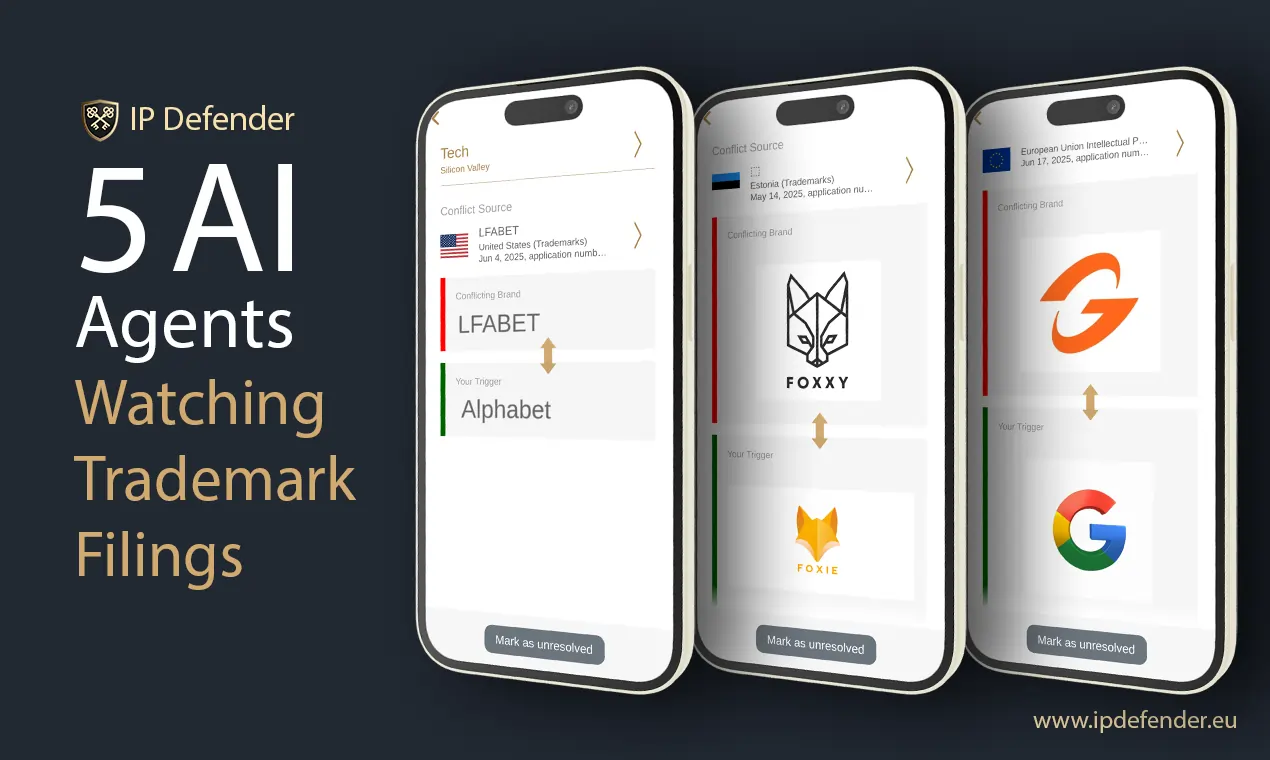
- Costi legali ridotti: Risparmia sulle spese legali individuando tempestivamente le violazioni durante la . In questo modo eviti costose cause in tribunale.
- Portafoglio marchi più solido: Mantieni un portafoglio marchi difendibile che trasmetta serietà a investitori e acquirenti, tutelando la valutazione e la crescita del tuo brand.
- Rafforza la tua posizione legale: conserva una delle tue attività di tutela del marchio per costruire una solida base giuridica in caso di controversie.
- Rafforza la sicurezza del tuo marchio: Tieni sotto controllo i concorrenti e proteggi la preziosa reputazione del tuo marchio con il nostro servizio.
Rischi di non monitorare marchi e brand per individuare usi illeciti
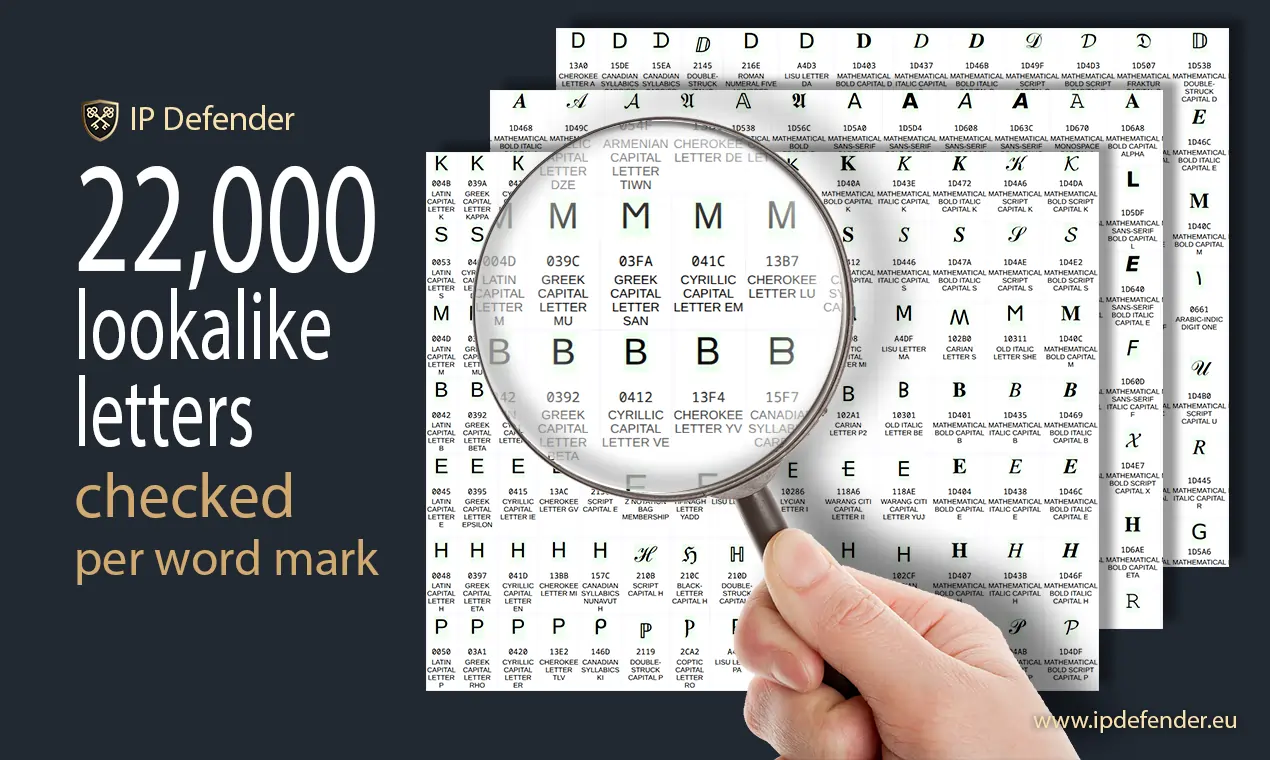
- Fusioni e acquisizioni: lacune nei portafogli di marchi possono generare problemi legali dopo la fusione, scoraggiando potenziali acquirenti o investitori.
- Danni alla reputazione: I contraffattori possono registrare nomi simili, creando confusione tra i clienti e danneggiando la reputazione del tuo marchio.
- Perdita dei Diritti Legali: Trascurare di monitorare e far valere attivamente il tuo marchio indebolisce le tue tutele legali ed espone al rischio di .
- Rischi globali di contraffazione: I contraffattori possono registrare marchi in più paesi senza essere individuati, rendendo complessa la tutela del brand a livello globale.
Il tuo marchio è il tuo bene più prezioso
Per le startup che costruiscono la propria valutazione e per gli investitori che tutelano le società del proprio portafoglio, il verdetto di leader aziendali e autorità legali è inequivocabile: il vostro marchio è il vostro bene più prezioso e la sua tutela è imprescindibile.
Il tuo brand è l'investimento più importante che tu possa fare per la tua azienda.
Tra tutti i beni della vostra azienda, i marchi sono di gran lunga i più importanti e i più difficili da tutelare.
I titolari di marchi devono sorvegliare con attenzione i propri segni per prevenirne la diluizione e gli usi illeciti; in caso contrario, rischiano di perdere i propri diritti.
Perché scegliere IP Defender?
Dalle startup nelle fasi iniziali alle aziende in crescita sostenute da investitori, il servizio IP Defender offre una tutela marchi registrati di livello enterprise a prezzi accessibili per le startup.

- Competenza Collaudata: Punto di riferimento dal 2015, abbiamo perfezionato i nostri algoritmi per garantire una precisione insuperabile nel monitoraggio dei marchi.
- Copertura globale: Monitoraggio continuo e completo in oltre 40 paesi per tutelare il tuo marchio in tutto il mondo.
- Tecnologia avanzata: La nostra intelligenza artificiale proprietaria e i nostri algoritmi superano gli altri strumenti, garantendo una protezione precisa dei marchi.
- Risorse dedicate: Grazie all'hardware AI all'avanguardia di NVIDIA, offriamo risultati premium a costi competitivi.
- Scelto dai professionisti: Le aziende si affidano a noi per un monitoraggio dei marchi affidabile, efficiente e proattivo.
Ultime notizie
La Corte d'Appello del Quarto Circuito ha confermato un'ingiunzione preliminare contro gli importatori paralleli di Gilead Sciences, stabilendo che i farmaci per l'HIV provenienti dall'estero e privi di etichettatura adeguata comportano responsabilità per violazione di marchio ai sensi del Lanham Act. Il tribunale ha applicato la dottrina delle differenze sostanziali, ritenendo che l'omissione di avvertenze e identificativi specifici per gli Stati Uniti rendesse i prodotti non genuini, indipendentemente dalla loro equivalenza chimica. Inoltre, i fornitori di servizi sono stati ritenuti responsabili per concorso nella violazione, poiché la conoscenza presunta delle discrepanze nell'etichettatura era sufficiente a configurare l'illecito. Questo precedente sottolinea che lacune nel controllo qualità e il coinvolgimento di terzi espongono le aziende a rischi legali significativi quando si eludono i protocolli di sicurezza nazionali.
Le riforme della legge sui marchi in Cina previste per il 2026 introducono sanzioni più severe per i depositi in mala fede e una tutela ampliata per i marchi noti non registrati, segnalando un possibile superamento della dipendenza da vasti portafogli difensivi. Gli esperti raccomandano una strategia di transizione piuttosto che l'abbandono immediato di queste protezioni. La tutela delle forme dei prodotti richiede brevetti per design paralleli e prove di concorrenza sleale, mentre i brand occidentali devono sostanziare la propria fama globale con dati di mercato locali per sfruttare efficacemente i nuovi standard legali.
Un deposito federale rivela una complessa controversia sui marchi tra Kyle Weinandy ed Euphoric Brothers Ltd. riguardante il marchio 'KITTYSAURUS'. Mentre Weinandy detiene una registrazione del 2013 per articoli di cancelleria e narrativa stampata, Euphoric Brothers ha utilizzato il nome nel 2023 per merchandising legato ai videogiochi e acquisti in-app all'interno di Garten of Banban. Questo caso evidenzia i rischi critici nel diritto moderno della proprietà intellettuale, dove classi sovrapposte come giochi digitali e giocattoli fisici generano confusione. Il conflitto sottolinea la necessità di un continuo monitoraggio marchi e di ricerche di anteriorità approfondite per evitare costose cause per violazione attraverso categorie di mercato in espansione.
A partire dal 1° settembre 2026, la Russia richiederà la verifica obbligatoria dell'identità tramite il portale Gosuslugi per tutti i domini .ru, .рф e .su. Le entità straniere prive di una presenza legale locale o di conti bancari russi si troveranno di fatto escluse dalla gestione di questi asset digitali. La mancata verifica comporterà la scadenza del dominio e il potenziale rischio di perdita a favore di concorrenti o cybersquatter al termine del periodo di registrazione corrente. Le aziende internazionali devono agire immediatamente per mitigare questo rischio. Le strategie praticabili includono il trasferimento della proprietà a filiali russe già esistenti, il ricorso a servizi di fiduciari locali per garantire la conformità normativa, o la migrazione dei servizi verso zone internazionali come il .com prima della scadenza. Questo cambiamento normativo evidenzia la fragilità del fare affidamento su domini di primo livello nazionali (ccTLD) in regioni geopoliticamente sensibili senza un'infrastruttura locale solida.
La Corte di Cassazione turca ha dichiarato nullo il marchio 'RIANNA' a favore di Rihanna, ribadendo che la tutela dei marchi registrati copre le somiglianze visive e fonetiche, non solo le corrispondenze esatte. La sentenza sottolinea l'importanza di una valutazione olistica dei marchi per prevenire la confusione tra i consumatori. Inoltre, evidenzia come la fama globale sostenga l'applicazione locale ai sensi del Codice della Proprietà Industriale turco. Le aziende devono attivare servizi di sorveglianza marchi e intervenire tempestivamente per proteggere il valore del brand contro lievi variazioni.
La Corte del Nono Circuito si è pronunciata a favore di VIP Products, respingendo la richiesta di Jack Daniel's secondo cui il giocattolo "Bad Spaniels" avrebbe diluito il marchio attraverso lo svilimento. La decisione stabilisce un onere probatorio più elevato per gli attori, richiedendo la prova della notorietà di specifici marchi ed elementi concreti di danno alla reputazione legati al prodotto, anziché generiche considerazioni sulla psicologia dei consumatori. Fondamentalmente, la corte ha stabilito che le parodie evidenti aumentano l'onere a carico dell'attore, poiché i consumatori tendono a riconoscere l'intento umoristico piuttosto che associare la presa in giro al marchio precedente.
Un tribunale kazako ha annullato la registrazione del marchio PREMIER, stabilendo che Abdinabi Rakhmankulov ha agito in mala fede utilizzando i propri diritti per interrompere catene di approvvigionamento legittime. La decisione sottolinea che la registrazione formale non garantisce protezione se l'acquisizione o l'esecuzione dei diritti viola i principi di equità.
Un collegio arbitrale ha ordinato il trasferimento di www.runwaycatalog.in a 9562532 Canada Inc., confermando che i domini di primo livello con codice paese non escludono la violazione di marchio. La decisione stabilisce che il mantenimento della registrazione di un nome lesivo costituisce un "illecito continuato", superando le difese basate sulla prescrizione. Questa sentenza riduce gli oneri probatori per i ricorrenti, chiarendo che i documenti elettronici sono sufficienti a dimostrare il cybersquatting in malafede.
L'Argentina ha adottato nuove normative per semplificare significativamente il trasferimento dei diritti di proprietà intellettuale, allineando le proprie procedure amministrative alle migliori pratiche globali. L'Istituto Nazionale della Proprietà Industriale (INPI) ha eliminato le pesanti formalità diplomatiche per i soggetti esteri, rimuovendo l'obbligo di apostille e legalizzazioni consolari per i documenti emessi all'estero. Il quadro normativo chiarisce che i trasferimenti di titolarità producono effetti dalla data di deposito, anziché dall'approvazione finale, consentendo un'applicazione più rapida e una definizione certa del titolo. È inoltre consentito a ciascuna delle parti avviare la registrazione e presentare istanze digitalizzate tramite un portale online. Questo cambiamento riduce gli attriti burocratici, ma rende necessaria una sorveglianza marchi proattiva da parte delle imprese per monitorare i rapidi cambiamenti di titolarità durante le ristrutturazioni aziendali.
La nuova Legge sui Marchi della Cina, in vigore dal 1° gennaio 2027, ristruttura fondamentalmente i diritti di proprietà intellettuale, dando priorità all'uso commerciale effettivo rispetto alla mera registrazione. La riforma introduce sanzioni finanziarie per i depositi in mala fede, riduce il termine per l'opposizione al marchio da tre a due mesi e riconosce le attività digitali come uso valido del marchio. Le disposizioni chiave includono una protezione trans-classi ampliata per i marchi noti non registrati, la parità di trattamento dei guadagni del contraffattore nel calcolo dei danni e requisiti di conformità più severi per gli agenti di marchio. Le imprese globali devono potenziare i sistemi di sorveglianza marchi e auditare i propri portafogli per allinearsi a questi nuovi standard rigorosi.
Comprendere il periodo di opposizione
Quando viene presentata una domanda di marchio, si apre un brevissimo lasso di tempo, detto "periodo di opposizione". In questa finestra, chiunque ritenga che il nuovo marchio possa danneggiare la propria attività o entrare in conflitto con il proprio brand (registrato o meno) può presentare un'opposizione per impedirne la registrazione.
Il vantaggio di presentare un'opposizione è che si tratta di una procedura più veloce, economica e semplice rispetto all'attendere la registrazione definitiva del marchio per poi tentare di annullarlo. Una volta registrato il marchio, l'annullamento richiede un procedimento legale separato, più lungo, costoso e difficile da vincere.
Perché conservare la documentazione è fondamentale per proteggere il tuo marchio
Tenere registri dettagliati delle vostre azioni di tutela del marchio è fondamentale perché la legge richiede la prova dell'uso e della difesa del marchio per mantenere i diritti esclusivi.
Se una controversia finisce in tribunale, i giudici fanno affidamento su queste prove – quali registrazioni, attività di monitoraggio, documentazione sulle vendite e azioni di tutela – per confermare la tua titolarità e accertare eventuali violazioni del tuo marchio. Senza una documentazione adeguata, dimostrare i propri diritti diventa molto più difficile, rendendo complicato fermare le violazioni o ottenere un risarcimento. Questo requisito si basa sulla normativa sui marchi, che garantisce protezione solo quando il titolare utilizza e difende attivamente il proprio marchio. Questa traccia documentale rende più semplice ed efficace la risoluzione di eventuali controversie e la difesa del tuo marchio, sia in tribunale che durante le trattative.
Utilizzare i servizi di monitoraggio di IP Defender garantisce una documentazione affidabile e organizzata delle tue attività di tutela del marchio.
Perché è fondamentale tutelare attivamente i propri diritti di marchio
La semplice registrazione di un marchio non è sufficiente; i titolari devono tutelarlo proattivamente per mantenere i propri diritti esclusivi.
La normativa sui marchi richiede ai titolari di marchi, registrati e non, di vigilare attivamente sulle proprie creazioni. Ciò implica monitorare regolarmente usi non autorizzati o potenzialmente confondibili, far valere i propri diritti contro i contraffattori e preservare la propria presenza e reputazione sul mercato.
Se trascuri questi obblighi, la tua registrazione rischia di essere cancellata o considerata abbandonata, facendoti perdere i diritti esclusivi e la tutela.
Prima di revocare o limitare i diritti sul marchio, i tribunali e gli uffici marchi valutano se il titolare ha utilizzato, monitorato e tutelato attivamente il proprio marchio, come richiesto dalla legge.