















































Почему стартапы и инвесторы выбирают IP Defender
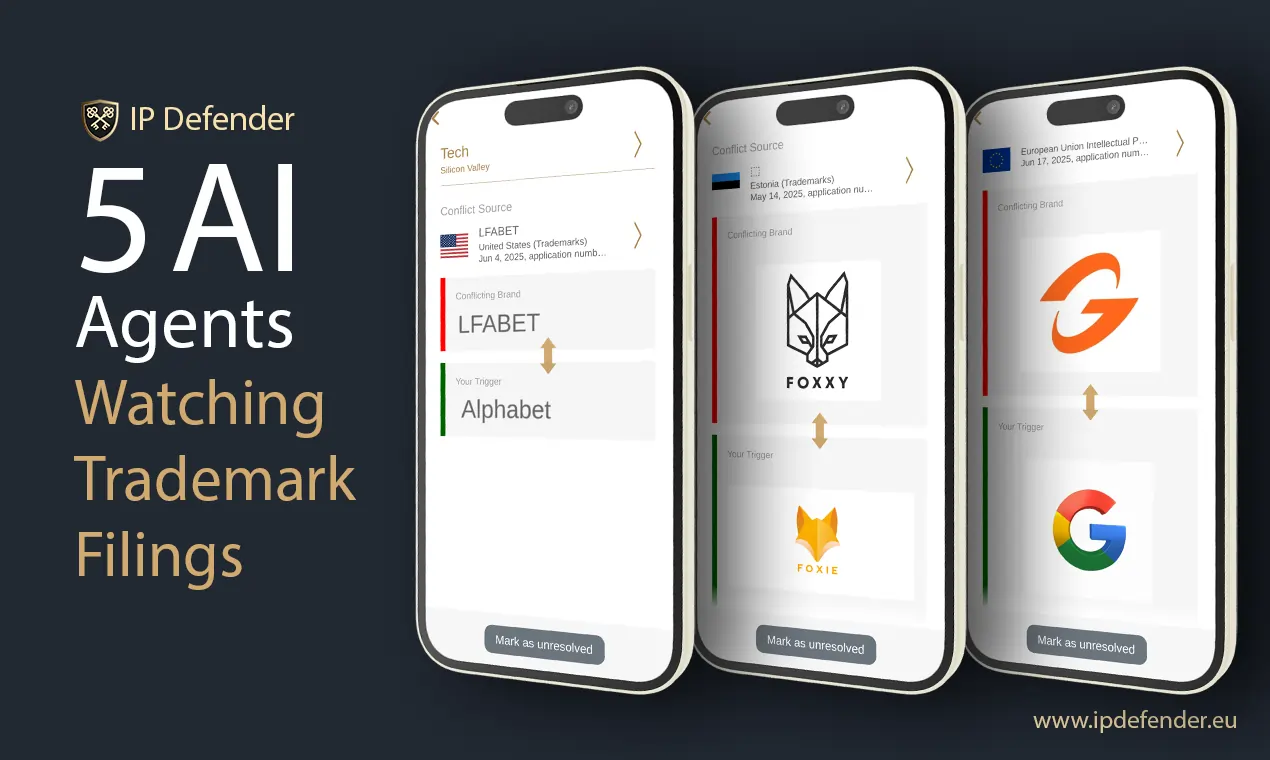
- Снижение юридических расходов: Сэкономьте на услугах юристов, выявляя нарушения на ранней стадии, в период . Это поможет избежать дорогостоящих судебных разбирательств.
- Более надежный портфель товарных знаков: Поддерживайте защищенный портфель товарных знаков, демонстрирующий дисциплину инвесторам и покупателям, тем самым сохраняя стоимость и потенциал роста вашего бренда.
- Укрепите правовую позицию: Ведите тщательный учет по защите вашего бренда, чтобы создать прочную правовую основу на случай возможных споров.
- Повысьте уверенность в защите бренда: Держите конкурентов под контролем и защитите ценную репутацию вашего бренда с сервисом IP Defender.
Риски отсутствия мониторинга товарных знаков и брендов на предмет нарушений
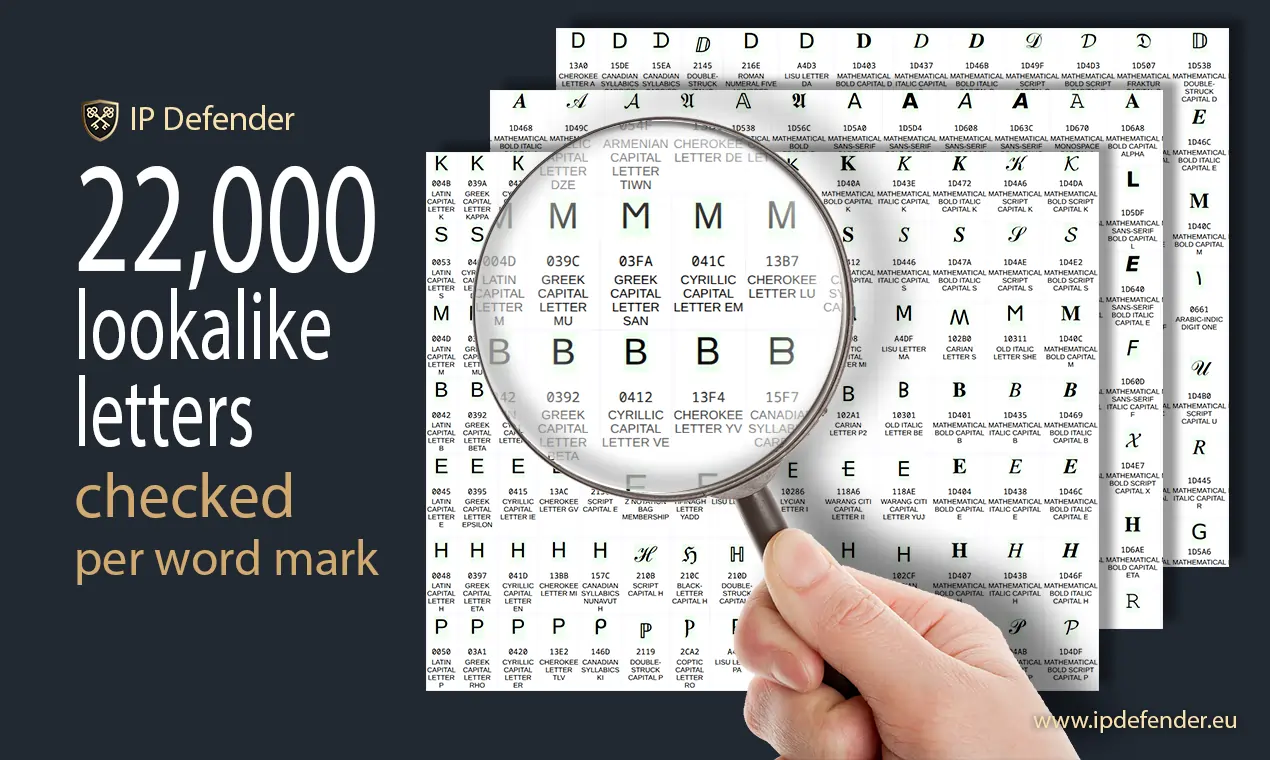
- Слияния и поглощения: Пробелы в портфеле торговых марок могут привести к юридическим проблемам после слияния, отпугивая потенциальных покупателей или инвесторов.
- Ущерб репутации: Нарушители могут зарегистрировать похожие названия, вводя клиентов в заблуждение и нанося ущерб репутации вашего бренда.
- Утрата правовых прав: Бездействие в области мониторинга и защиты вашего бренда ослабляет вашу правовую защиту и создаёт риск .
- Глобальные риски нарушений: Нарушители могут зарегистрировать товарные знаки в разных странах, оставаясь незамеченными, что усложняет глобальную защиту бренда.
Ваш бренд — ваш самый ценный актив
Для стартапов, формирующих оценку стоимости, и инвесторов, защищающих компании из своего портфеля, вердикт бизнес-лидеров и правовых экспертов однозначен: ваш бренд — это ваш ключевой актив, а его защита не подлежит обсуждению.
Ваш бренд — самая важная инвестиция, которую вы можете сделать в своём бизнесе.
Из всего, что принадлежит вашей компании, бренды — самые ценные и самые уязвимые активы.
Владельцы товарных знаков обязаны тщательно защищать свои знаки, чтобы предотвратить их размывание и нарушение прав; бездействие грозит утратой этих прав.
Почему стоит выбрать IP Defender?
От стартапов на ранней стадии до компаний роста, привлёкших инвестиции: сервис IP Defender обеспечивает защиту товарных знаков корпоративного уровня по ценам, доступным для стартапов.

- Проверенная экспертиза: Нам доверяют с 2015 года. Мы отточили наши алгоритмы, чтобы обеспечить беспрецедентную точность мониторинга товарных знаков.
- Глобальный охват: Всесторонний непрерывный мониторинг более чем в 40 странах для защиты вашего бренда по всему миру.
- Передовые технологии: Наши собственные решения на базе искусственного интеллекта и алгоритмов превосходят аналоги, гарантируя точную защиту торговых марок.
- Выделенные ресурсы: Благодаря передовому оборудованию NVIDIA на базе ИИ мы предлагаем премиальные результаты по конкурентным ценам.
- Нам доверяют профессионалы: компании полагаются на нас в вопросах надежного, эффективного и проактивного мониторинга товарных знаков.
Последние новости
Четвёртый окружной апелляционный суд США оставил в силе предварительный судебный запрет в отношении параллельных импортёров компании Gilead Sciences, постановив, что немаркированные иностранные препараты для лечения ВИЧ влекут ответственность за нарушение товарных знаков согласно Закону Лэнхэма. Суд применил доктрину существенных различий и пришёл к выводу, что отсутствие предупреждений и идентификаторов, требуемых в США, делает товары неоригинальными, независимо от их химической эквивалентности. Кроме того, поставщики услуг были привлечены к соучаствующей ответственности, поскольку конструктивного знания о расхождениях в маркировке оказалось достаточно для установления факта нарушения. Этот прецедент подчёркивает, что пробелы в контроле качества и участие третьих лиц создают значительные правовые риски для бизнеса при обходе внутренних протоколов безопасности.
Реформа законодательства о товарных знаках в Китае 2026 года вводит более строгие санкции за недобросовестную регистрацию и расширяет защиту незарегистрированных общеизвестных обозначений, что может означать конец эпохи reliance на массивные оборонительные портфели. Эксперты рекомендуют переходную стратегию вместо немедленного отказа от таких буферов. Защита формы продукта требует параллельного оформления патентов на промышленный образец и сбора доказательств недобросовестной конкуренции, тогда как западные бренды должны подтверждать свою мировую известность данными локального рынка, чтобы эффективно использовать новые правовые стандарты в рамках услуг по мониторингу товарных знаков, проверке товарного знака, поиску товарных знаков, регистрации товарного знака и защите товарных знаков.
Федеральная подача документов раскрывает сложный спор о товарном знаке «KITTYSAURUS» между Кайлом Вайнанди и компанией Euphoric Brothers Ltd. Хотя Вайнанди владеет регистрацией 2013 года для канцелярских товаров и печатной художественной литературы, Euphoric Brothers начала использовать это название в 2023 году для мерча по играм и внутриигровых покупок в проекте Garten of Banban. Этот случай подчеркивает критические риски в современном праве интеллектуальной собственности, где пересечение классов, таких как цифровые игры и физические игрушки, создает путаницу. Конфликт демонстрирует необходимость постоянного мониторинга товарных знаков и тщательной проверки товарных знаков (поиска товарных знаков) во избежание дорогостоящих судебных разбирательств о нарушении прав при расширении рыночных категорий.
С 1 сентября 2026 года в России вводится обязательная верификация личности через портал «Госуслуги» для всех доменов .ru, .рф и .su. Иностранные компании, не имеющие местного юридического лица или российских банковских счетов, фактически лишаются возможности управлять этими цифровыми активами. Непрохождение верификации приведет к истечению срока регистрации домена и возможной потере прав на него в пользу конкурентов или киберсквоттеров после окончания текущего периода. Международному бизнесу необходимо немедленно принять меры для минимизации этих рисков. Эффективные стратегии включают передачу прав собственности существующим российским дочерним компаниям, привлечение местных трастовых сервисов для обеспечения соответствия требованиям или миграцию услуг в международные зоны, такие как .com, до наступления срока действия новых правил. Эти регуляторные изменения подчеркивают уязвимость зависимости от национальных доменных зон первого уровня в геополитически чувствительных регионах без надежной локальной инфраструктуры.
Кассационный суд Турции аннулировал товарный знак «RIANNA» в пользу Рианны, подтвердив, что защита товарных знаков распространяется на визуальное и фонетическое сходство, а не только на точные совпадения. Решение подчеркивает необходимость комплексной оценки обозначений для предотвращения путаницы среди потребителей. Оно также демонстрирует, как мировая известность бренда способствует его защите на местном уровне в соответствии с Кодексом промышленной собственности Турции. Компаниям необходимо осуществлять мониторинг товарных знаков на предмет схожих до степени смешения обозначений и своевременно принимать меры для защиты ценности бренда от незначительных вариаций.
Девятый окружной апелляционный суд США вынес решение в пользу компании VIP Products, отклонив претензию Jack Daniel's о том, что игрушка «Bad Spaniels» нанесла ущерб репутации бренда (tarnishment). Данное решение устанавливает более высокий стандарт доказывания для истцов: требуется подтверждение известности конкретных товарных знаков и предоставление доказательств вреда репутации применительно к определённым продуктам, а не опоры на общие представления о психологии потребителей. Ключевым моментом стало положение суда о том, что в случае очевидной пародии бремя доказывания возлагается на истца в большей степени, поскольку потребители с высокой вероятностью распознают юмористический характер изделия, а не станут ассоциировать насмешку со старшим товарным знаком.
Казахстанский суд признал недействительной регистрацию товарного знака PREMIER, постановив, что Абдинаби Рахманкулов действовал недобросовестно, используя свои права для нарушения легитимных цепочек поставок. Это решение подчеркивает, что формальная регистрация товарного знака не гарантирует защиту, если его приобретение или защита нарушают принципы справедливости.
Арбитражная комиссия обязала передать домен www.runwaycatalog.in компании 9562532 Canada Inc., подтвердив, что использование национальных доменов верхнего уровня не исключает факта нарушения прав на товарный знак. Данное решение устанавливает, что продолжение регистрации доменного имени, нарушающего права, представляет собой «длящееся правонарушение», что позволяет обойти защиту, основанную на сроке исковой давности. Это постановление снижает доказательственные барьеры для заявителей, разъясняя, что электронные записи достаточны для подтверждения недобросовестного киберсквоттинга.
Аргентина приняла новые правила, которые значительно упрощают передачу прав на интеллектуальную собственность, приводя административные процедуры в соответствие с лучшими мировыми практиками. Национальный институт промышленной собственности (INPI) отменил обременительные дипломатические формальности для иностранных лиц, исключив требование об апостиле и консульской легализации документов, выданных за пределами страны. Новые нормы уточняют, что переход права собственности вступает в силу с даты подачи заявки, а не с момента окончательного утверждения, что ускоряет защиту прав и установление титула. Кроме того, теперь любая из сторон может инициировать регистрацию товарного знака и подавать документы в электронном виде через онлайн-портал. Эти изменения снижают бюрократические барьеры, однако требуют от компаний активного мониторинга товарных знаков, чтобы оперативно отслеживать быстрые изменения в праве собственности в ходе корпоративных реструктуризаций.
Обновленный Закон о товарных знаках Китая, вступающий в силу 1 января 2027 года, кардинально меняет систему прав интеллектуальной собственности, ставя во главу угла реальное коммерческое использование, а не простую регистрацию товарного знака. Реформа предусматривает финансовые санкции за недобросовестную подачу заявок, сокращает срок для подачи возражений против регистрации товарного знака с трех до двух месяцев и признает цифровую активность действительным использованием товарного знака. Ключевые положения включают расширенную межклассовую защиту незарегистрированных общеизвестных товарных знаков, учет доходов нарушителя при расчете убытков наравне с другими факторами, а также ужесточение требований к соблюдению норм для патентных поверенных и агентств, занимающихся регистрацией товарных знаков. Глобальным компаниям необходимо модернизировать системы мониторинга товарных знаков и провести аудит портфелей, чтобы соответствовать этим новым строгим стандартам защиты товарных знаков.
Что такое срок для подачи возражения
Когда кто-то подаёт заявку на регистрацию товарного знака, открывается очень короткий промежуток времени — так называемый период для подачи возражений. В течение этого периода любое лицо, считающее, что новый товарный знак нанесёт ущерб его бизнесу или создаст конфликт с уже существующим брендом (зарегистрированным или незарегистрированным), может подать возражение, чтобы предотвратить его регистрацию.
Преимущество подачи возражения заключается в том, что это быстрее, дешевле и проще, чем ждать полной регистрации товарного знака, а затем пытаться его аннулировать. После регистрации товарного знака его отмена требует отдельного судебного процесса, который длится дольше, обходится дороже и сложнее для успешного завершения.
Почему ведение записей важно для защиты вашего бренда
Ведение подробного учета действий по защите вашего бренда крайне важно, поскольку закон требует доказательств того, что вы используете и защищаете свой товарный знак для сохранения исключительных прав.
Если дело дойдет до суда, судьи опираются на такие доказательства, как регистрации, результаты мониторинга, отчеты о продажах и меры по защите прав, чтобы подтвердить ваши права и факт нарушения прав на ваш бренд. Без надлежащей документации доказать свои права становится значительно сложнее, что затрудняет пресечение нарушений и получение компенсации. Это требование основано на законодательстве о товарных знаках, которое предоставляет защиту только при условии, что владелец бренда активно использует и защищает свой знак. Этот документальный след упрощает и усиливает вашу позицию при разрешении любых споров и защите бренда в суде или на переговорах.
Использование услуг мониторинга IP Defender обеспечивает надежную и систематизированную запись всех ваших действий по защите бренда.
Почему важно активно защищать права на ваш товарный знак
Одной регистрации товарного знака недостаточно — владельцы должны активно защищать свой бренд, чтобы сохранить исключительные права.
Законодательство о товарных знаках обязывает владельцев брендов активно осуществлять контроль за своими правами. Это означает регулярный мониторинг несанкционированного или вводящего в заблуждение использования, защиту своих прав от нарушителей и поддержание присутствия и репутации бренда на рынке.
Если пренебречь этими обязанностями, ваша регистрация может быть аннулирована или признана прекращённой, что приведёт к утрате исключительных прав и защиты.
Прежде чем отменить или ограничить права на товарный знак, суды и ведомства по товарным знакам оценивают, использовал ли правообладатель свой бренд активно, осуществлял ли его мониторинг и защиту в соответствии с требованиями закона.