















































Tại sao các công ty khởi nghiệp và nhà đầu tư lựa chọn dịch vụ IP Defender
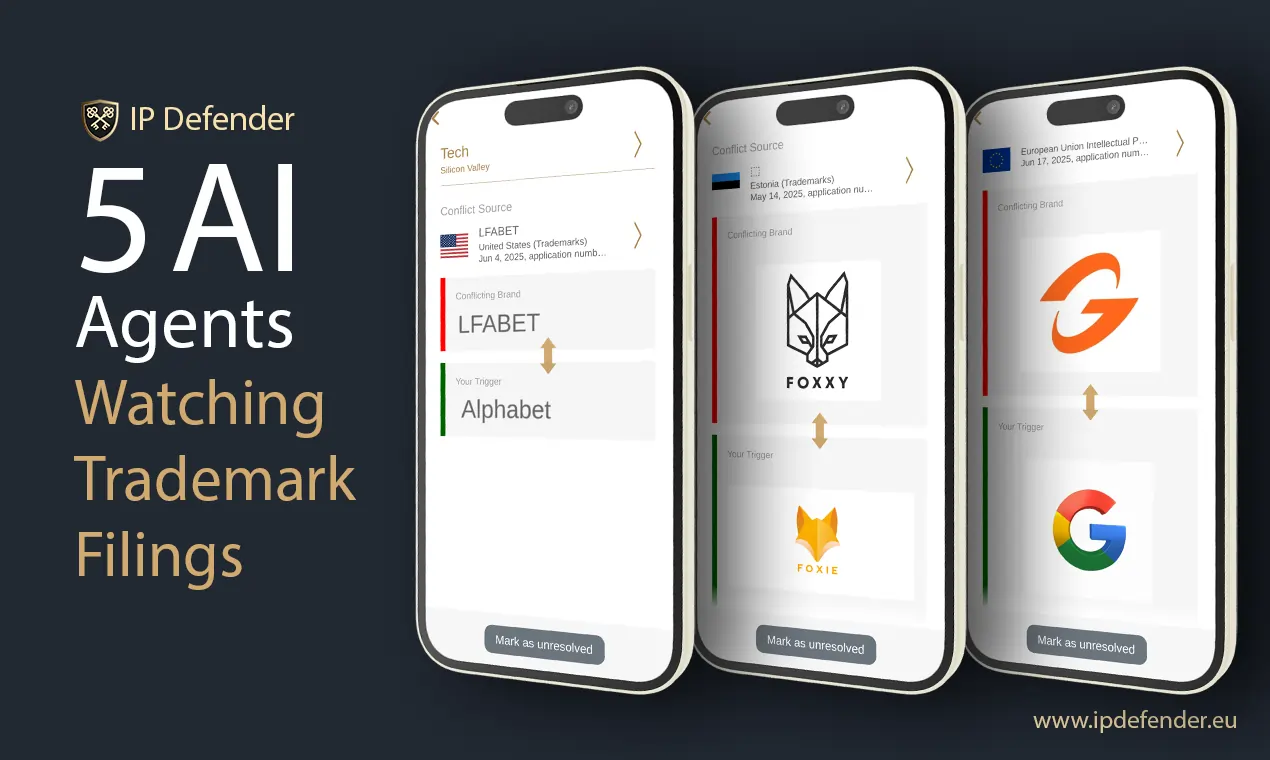
- Tiết Kiệm Chi Phí Pháp Lý: Giảm thiểu phí pháp lý bằng cách phát hiện sớm các hành vi xâm phạm ngay trong . Nhờ vậy, bạn tránh được các vụ kiện tụng tốn kém.
- Xây dựng danh mục nhãn hiệu vững mạnh: Duy trì một danh mục nhãn hiệu có khả năng bảo hộ pháp lý, thể hiện tính chuyên nghiệp trước các nhà đầu tư và bên mua, qua đó bảo vệ giá trị thương hiệu cũng như tiềm năng tăng trưởng của doanh nghiệp bạn.
- Củng cố thế pháp lý: Lưu trữ đầy đủ về các nỗ lực bảo vệ thương hiệu của bạn để xây dựng nền tảng pháp lý vững chắc khi xảy ra tranh chấp.
- Tăng cường niềm tin vào thương hiệu: Kiểm soát đối thủ cạnh tranh và bảo vệ danh tiếng quý giá của thương hiệu bạn với dịch vụ của chúng tôi.
Rủi ro khi không giám sát nhãn hiệu và thương hiệu trước các hành vi xâm phạm
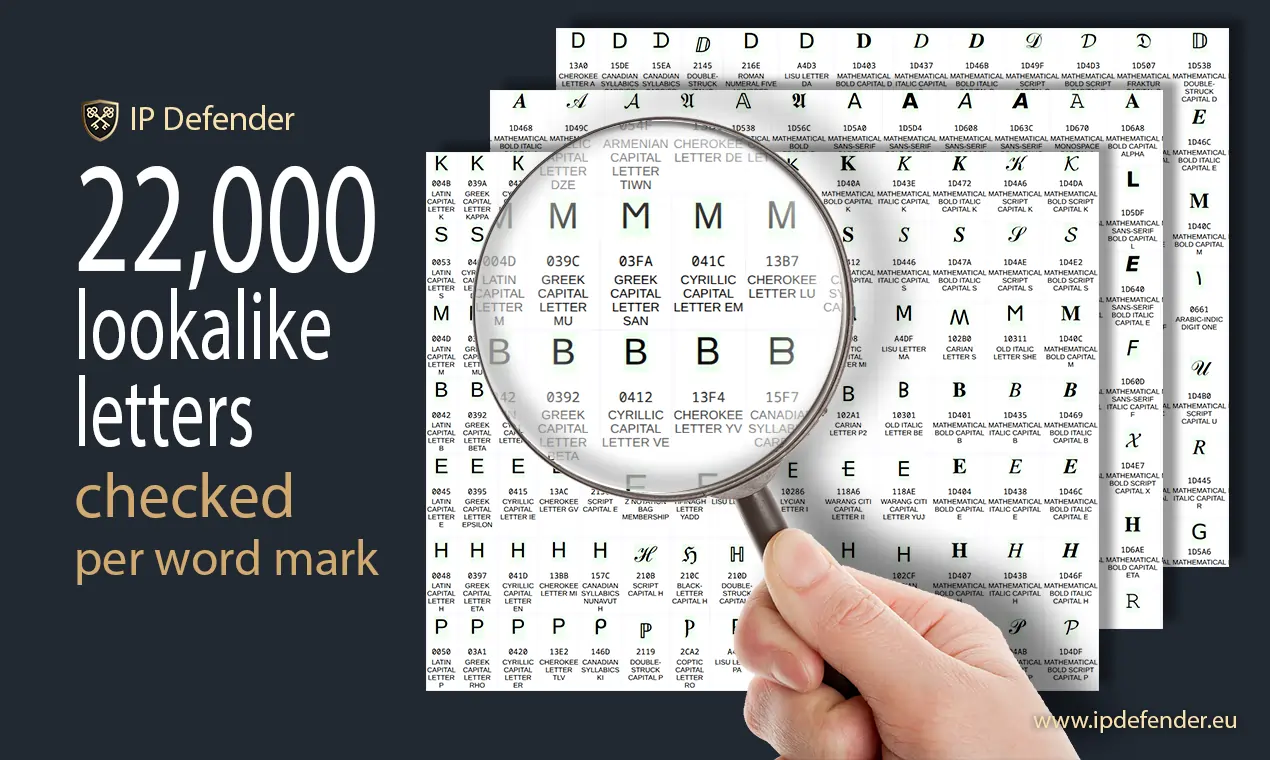
- Mua bán và Sáp nhập: Các lỗ hổng trong danh mục thương hiệu có thể dẫn đến rủi ro pháp lý sau sáp nhập, khiến người mua hoặc nhà đầu tư tiềm năng e ngại.
- Tổn hại uy tín: Các bên xâm phạm có thể đăng ký những tên gọi tương tự, gây nhầm lẫn cho khách hàng và làm tổn hại đến danh tiếng thương hiệu của bạn.
- Mất Quyền Lợi Pháp Lý: Việc sao nhãng giám sát và bảo vệ thương hiệu sẽ làm suy yếu sự bảo hộ pháp lý và dẫn đến nguy cơ .
- Rủi ro xâm phạm trên toàn cầu: Các bên xâm phạm có thể đăng ký nhãn hiệu tại nhiều quốc gia mà không bị phát hiện, gây khó khăn cho việc bảo vệ thương hiệu trên phạm vi toàn cầu.
Nhãn hiệu của bạn là tài sản quý giá nhất
Đối với các công ty khởi nghiệp đang xây dựng định giá và các nhà đầu tư bảo vệ doanh nghiệp trong danh mục đầu tư, nhận định từ các lãnh đạo doanh nghiệp và cơ quan pháp lý là rất rõ ràng: thương hiệu của bạn chính là tài sản quý giá nhất, và việc bảo hộ nhãn hiệu là yêu cầu bắt buộc.
Thương hiệu của bạn chính là khoản đầu tư quan trọng nhất mà bạn có thể dành cho doanh nghiệp của mình.
Trong mọi tài sản công ty bạn sở hữu, thương hiệu là thứ quan trọng hơn cả và cũng khó bảo vệ nhất.
Chủ sở hữu nhãn hiệu cần thường xuyên giám sát và bảo vệ chặt chẽ nhãn hiệu của mình để ngăn ngừa xâm phạm và pha loãng; nếu không, họ có nguy cơ mất quyền bảo hộ.
Tại sao nên chọn IP Defender?
Từ các công ty khởi nghiệp trong giai đoạn đầu đến những doanh nghiệp tăng trưởng có vốn đầu tư, dịch vụ IP Defender mang đến giải pháp bảo hộ nhãn hiệu chuẩn doanh nghiệp với mức phí phù hợp cho startup.
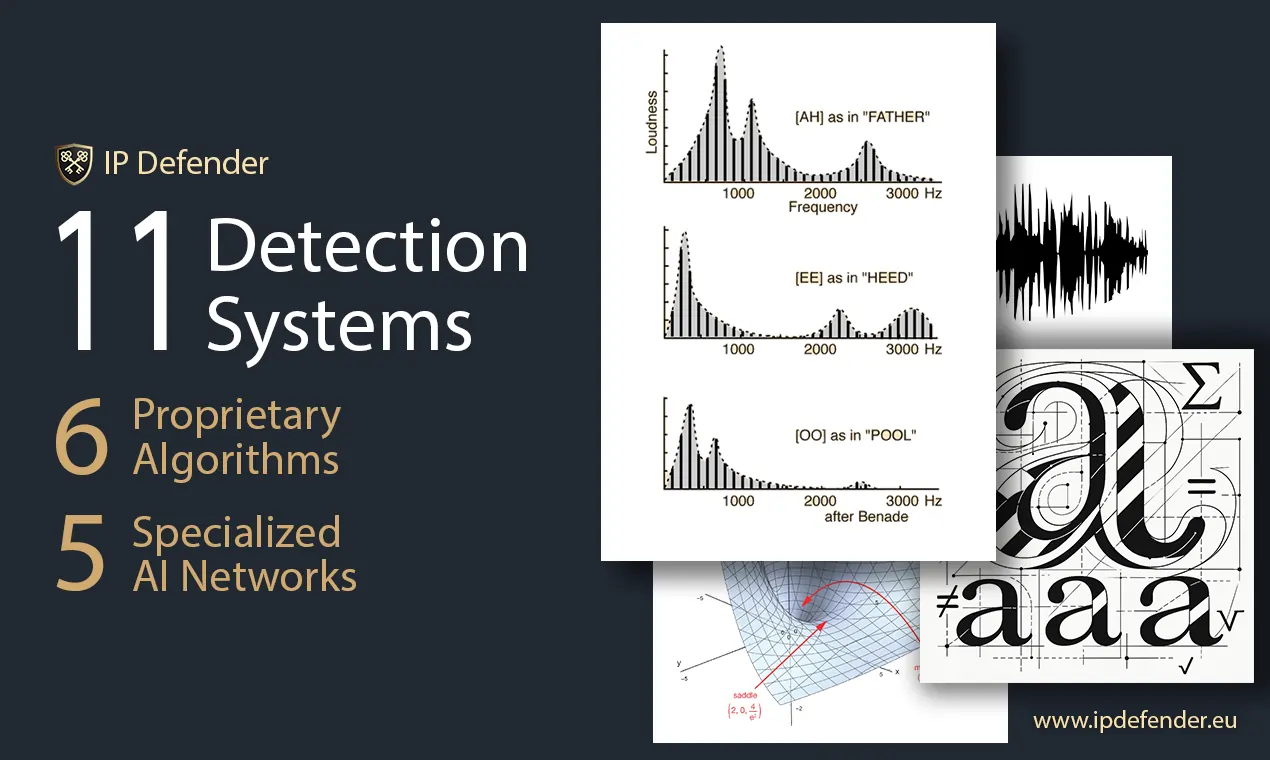
- Chuyên môn đã được chứng minh: Được tin tưởng từ năm 2015, chúng tôi đã hoàn thiện các thuật toán nhằm mang lại độ chính xác vượt trội trong theo dõi thương hiệu.
- Phạm vi toàn cầu: Giám sát liên tục và toàn diện tại hơn 40 quốc gia để bảo vệ thương hiệu của bạn trên khắp thế giới.
- Công nghệ tiên tiến: AI và các thuật toán độc quyền của chúng tôi vượt trội hơn các công cụ khác, đảm bảo khả năng bảo vệ nhãn hiệu chính xác.
- Tài nguyên chuyên biệt: Được vận hành bởi phần cứng AI NVIDIA tiên tiến, chúng tôi mang lại kết quả cao cấp với chi phí cạnh tranh.
- Được các chuyên gia tin tưởng: Các doanh nghiệp lựa chọn chúng tôi để giám sát nhãn hiệu một cách đáng tin cậy, hiệu quả và chủ động.
Tin mới nhất
Tòa án Phúc thẩm Vòng thứ tư đã khẳng định lệnh cấm tạm thời đối với các nhà nhập khẩu song song của Gilead Sciences, phán quyết rằng thuốc HIV nhập từ nước ngoài không có nhãn mác phù hợp sẽ dẫn đến trách nhiệm pháp lý về nhãn hiệu theo Đạo luật Lanham. Tòa án áp dụng học thuyết về sự khác biệt trọng yếu, nhận định rằng việc thiếu các cảnh báo và mã định danh dành riêng cho thị trường Hoa Kỳ khiến hàng hóa không được coi là chính hãng, bất kể thành phần hóa học tương đương. Ngoài ra, các đơn vị cung cấp dịch vụ cũng phải chịu trách nhiệm đồng phạm vì chỉ cần có hiểu biết mang tính suy đoán về những sai lệch trong ghi nhãn là đủ để xác lập hành vi xâm phạm. Án lệ này nhấn mạnh rằng các lỗ hổng trong kiểm soát chất lượng và sự hỗ trợ từ bên thứ ba có thể khiến doanh nghiệp đối mặt với rủi ro pháp lý nghiêm trọng khi bỏ qua các quy trình an toàn trong nước.
Các cải cách luật nhãn hiệu năm 2026 của Trung Quốc đưa ra các chế tài nghiêm khắc hơn đối với hành vi đăng ký nhãn hiệu thiếu thiện chí và mở rộng phạm vi bảo hộ cho các nhãn hiệu nổi tiếng chưa được đăng ký, báo hiệu khả năng chấm dứt việc phụ thuộc vào các bộ sưu tập nhãn hiệu phòng vệ khổng lồ. Các chuyên gia khuyến nghị áp dụng chiến lược chuyển tiếp thay vì từ bỏ ngay lập tức các biện pháp đệm này. Việc bảo hộ hình dáng sản phẩm đòi hỏi phải đồng thời nộp đơn đăng ký sáng chế kiểu dáng công nghiệp và cung cấp bằng chứng về hành vi cạnh tranh không lành mạnh; trong khi đó, các thương hiệu phương Tây cần chứng minh mức độ nổi tiếng toàn cầu bằng dữ liệu thị trường địa phương để tận dụng hiệu quả các tiêu chuẩn pháp lý mới.
Một hồ sơ liên bang tiết lộ vụ tranh chấp nhãn hiệu phức tạp giữa Kyle Weinandy và Euphoric Brothers Ltd. đối với nhãn hiệu 'KITTYSAURUS'. Trong khi Weinandy sở hữu đăng ký nhãn hiệu từ năm 2013 cho văn phòng phẩm và tác phẩm hư cấu in ấn, thì Euphoric Brothers đã sử dụng tên này vào năm 2023 cho hàng hóa trò chơi điện tử và các giao dịch trong ứng dụng thuộc game Garten of Banban. Vụ việc này làm nổi bật những rủi ro quan trọng trong luật sở hữu trí tuệ hiện đại, nơi các nhóm hàng trùng lặp như trò chơi kỹ thuật số và đồ chơi vật lý gây ra nhầm lẫn. Xung đột này nhấn mạnh sự cần thiết phải thực hiện theo dõi nhãn hiệu liên tục và tra cứu nhãn hiệu kỹ lưỡng nhằm tránh các vụ kiện vi phạm tốn kém trên các danh mục thị trường đang mở rộng.
Bắt đầu từ ngày 1 tháng 9 năm 2026, Nga sẽ yêu cầu xác minh danh tính bắt buộc qua cổng thông tin Gosuslugi đối với tất cả các tên miền .ru, .рф và .su. Các tổ chức nước ngoài không có sự hiện diện pháp lý tại địa phương hoặc không sở hữu tài khoản ngân hàng Nga sẽ trên thực tế bị loại khỏi việc quản lý các tài sản số này. Việc không hoàn tất xác minh sẽ dẫn đến hết hạn tên miền và nguy cơ mất quyền kiểm soát vào tay đối thủ cạnh tranh hoặc những kẻ đầu cơ tên miền sau khi kết thúc kỳ hạn hiện tại. Các doanh nghiệp quốc tế cần hành động ngay lập tức để giảm thiểu rủi ro này. Những giải pháp khả thi bao gồm chuyển quyền sở hữu sang các công ty con hiện có tại Nga, sử dụng dịch vụ người được ủy thác địa phương để đảm bảo tuân thủ, hoặc di chuyển dịch vụ sang các vùng tên miền quốc tế như .com trước thời hạn quy định. Sự thay đổi về quy định này cho thấy tính dễ tổn thương khi phụ thuộc vào các tên miền cấp cao nhất theo mã quốc gia tại những khu vực nhạy cảm về địa chính trị mà thiếu cơ sở hạ tầng địa phương vững chắc.
Tòa Phá án Thổ Nhĩ Kỳ đã hủy bỏ nhãn hiệu 'RIANNA' và công nhận quyền lợi của Rihanna, qua đó khẳng định rằng việc bảo hộ nhãn hiệu bao gồm cả sự tương đồng về hình ảnh và âm thanh chứ không chỉ giới hạn ở các trường hợp trùng khớp hoàn toàn. Phán quyết này nhấn mạnh tầm quan trọng của việc đánh giá nhãn hiệu một cách tổng thể nhằm ngăn ngừa nhầm lẫn cho người tiêu dùng. Đồng thời, vụ việc cũng làm nổi bật vai trò của danh tiếng toàn cầu trong việc hỗ trợ thực thi quyền sở hữu trí tuệ tại địa phương theo Luật Sở hữu Công nghiệp của Thổ Nhĩ Kỳ. Các doanh nghiệp cần triển khai dịch vụ theo dõi nhãn hiệu để phát hiện sớm các dấu hiệu giả mạo và có biện pháp xử lý kịp thời, nhằm bảo vệ giá trị thương hiệu trước những biến thể nhỏ.
Tòa án Phúc thẩm Khu vực 9 đã ra phán quyết có lợi cho VIP Products, bác bỏ yêu cầu của Jack Daniel's cho rằng đồ chơi 'Bad Spaniels' làm suy yếu nhãn hiệu thông qua hành vi bôi nhọ. Phán quyết này thiết lập một tiêu chuẩn chứng cứ cao hơn đối với nguyên đơn, đòi hỏi phải chứng minh được mức độ nổi tiếng của các nhãn hiệu cụ thể và cung cấp bằng chứng về thiệt hại uy tín gắn liền với sản phẩm, thay vì chỉ dựa trên tâm lý người tiêu dùng chung chung. Quan trọng hơn, tòa án khẳng định rằng các trường hợp nhại lại rõ ràng sẽ làm tăng nghĩa vụ chứng minh của nguyên đơn, bởi người tiêu dùng thường nhận ra yếu tố hài hước thay vì liên tưởng sự chế giễu đó với nhãn hiệu đã đăng ký trước.
Một tòa án tại Kazakhstan đã hủy bỏ hiệu lực đăng ký nhãn hiệu PREMIER, phán quyết rằng Abdinabi Rakhmankulov đã hành động thiếu thiện chí khi sử dụng quyền của mình để phá vỡ các chuỗi cung ứng hợp pháp. Phán quyết này nhấn mạnh rằng việc đăng ký nhãn hiệu chính thức không đảm bảo được sự bảo hộ nếu quá trình xác lập hoặc thực thi quyền vi phạm các nguyên tắc công bằng.
Hội đồng trọng tài đã ra lệnh chuyển giao tên miền www.runwaycatalog.in cho công ty 9562532 Canada Inc., khẳng định rằng các tên miền cấp cao nhất theo mã quốc gia không loại trừ hành vi xâm phạm nhãn hiệu. Phán quyết này thiết lập nguyên tắc rằng việc tiếp tục đăng ký một tên gọi xâm phạm được coi là "hành vi vi phạm liên tục", qua đó vô hiệu hóa các lập luận dựa trên thời hiệu khởi kiện. rulings này làm giảm các rào cản về nghĩa vụ chứng minh đối với bên khiếu nại, đồng thời làm rõ rằng các hồ sơ điện tử là đủ để chứng minh hành vi chiếm dụng tên miền xấu ý.
Argentina đã ban hành các quy định mới nhằm đơn giản hóa đáng kể việc chuyển nhượng quyền sở hữu trí tuệ, đồng bộ hóa thủ tục hành chính với các chuẩn mực tốt nhất trên toàn cầu. Viện Sở hữu Công nghiệp Quốc gia (INPI) đã bãi bỏ các thủ tục ngoại giao rườm rà đối với các tổ chức nước ngoài, loại bỏ yêu cầu về chứng nhận apostille và hợp pháp hóa lãnh sự đối với các giấy tờ được cấp ở nước ngoài. Khuôn khổ pháp lý mới làm rõ rằng việc chuyển quyền sở hữu có hiệu lực kể từ ngày nộp đơn thay vì ngày được phê duyệt cuối cùng, nhờ đó đẩy nhanh quá trình thực thi và xác lập quyền sở hữu. Quy định cũng cho phép bất kỳ bên nào khởi xướng việc đăng ký và nộp hồ sơ số hóa qua cổng thông tin trực tuyến. Sự thay đổi này giúp giảm thiểu rào cản hành chính, nhưng đòi hỏi các doanh nghiệp phải chủ động thực hiện theo dõi nhãn hiệu để nắm bắt kịp thời những biến động nhanh chóng về quyền sở hữu trong quá trình tái cấu trúc doanh nghiệp.
Luật Nhãn hiệu được cập nhật của Trung Quốc, có hiệu lực từ ngày 1 tháng 1 năm 2027, sẽ tái cấu trúc căn bản quyền sở hữu trí tuệ bằng cách ưu tiên việc sử dụng thương mại thực tế thay vì chỉ đăng ký hình thức. Cuộc cải cách này áp đặt các khoản phạt tài chính đối với các hành vi đăng ký nhãn hiệu thiếu thiện chí, rút ngắn thời hạn phản đối đăng ký nhãn hiệu từ ba tháng xuống còn hai tháng, và công nhận các hoạt động kỹ thuật số là hình thức sử dụng nhãn hiệu hợp lệ. Các điều khoản chính bao gồm mở rộng phạm vi bảo hộ chéo nhóm cho các nhãn hiệu nổi tiếng chưa đăng ký, xem xét lợi nhuận thu được từ hành vi xâm phạm như một yếu tố ngang hàng trong tính toán bồi thường thiệt hại, cùng với các yêu cầu tuân thủ nghiêm ngặt hơn đối với các đại lý nhãn hiệu. Các doanh nghiệp toàn cầu cần nâng cấp hệ thống theo dõi nhãn hiệu và rà soát lại danh mục sở hữu trí tuệ để đáp ứng các tiêu chuẩn mới khắt khe này.
Hiểu về Thời Hạn Phản Đối
Khi có đơn đăng ký nhãn hiệu, sẽ tồn tại một khoảng thời gian rất ngắn gọi là "thời hạn phản đối". Trong thời hạn này, bất kỳ bên nào cho rằng nhãn hiệu mới sẽ gây tổn hại cho hoạt động kinh doanh của mình hoặc xung đột với nhãn hiệu hiện có (đã đăng ký hoặc chưa đăng ký) đều có thể nộp đơn phản đối để ngăn chặn việc đăng ký nhãn hiệu đó.
Ưu điểm của việc nộp đơn phản đối là nhanh hơn, tiết kiệm chi phí hơn và đơn giản hơn so với việc chờ đến khi thương hiệu được đăng ký hoàn tất rồi mới tìm cách hủy bỏ sau này. Khi thương hiệu đã được đăng ký, việc hủy bỏ đòi hỏi một quy trình pháp lý riêng biệt, kéo dài hơn, tốn kém hơn và khó thành công hơn.
Tại sao việc lưu trữ hồ sơ lại quan trọng để bảo vệ thương hiệu của bạn
Việc lưu trữ hồ sơ chi tiết về các nỗ lực bảo vệ thương hiệu của bạn là vô cùng quan trọng, bởi pháp luật yêu cầu phải có bằng chứng cho thấy bạn đang sử dụng và bảo vệ thương hiệu để duy trì quyền độc quyền.
Nếu tranh chấp được đưa ra tòa, thẩm phán sẽ dựa vào các bằng chứng này — như giấy đăng ký, hoạt động giám sát, hồ sơ bán hàng và các biện pháp thực thi — để xác nhận quyền sở hữu của bạn và liệu có hành vi xâm phạm thương hiệu của bạn hay không. Nếu không có hồ sơ đầy đủ, việc chứng minh quyền sở hữu của bạn sẽ trở nên khó khăn hơn nhiều, khiến bạn khó ngăn chặn các hành vi xâm phạm hoặc đòi bồi thường. Yêu cầu này xuất phát từ quy định của luật nhãn hiệu, theo đó quyền bảo hộ chỉ được công nhận khi chủ sở hữu thương hiệu tích cực sử dụng và bảo vệ nhãn hiệu của mình. Chuỗi tài liệu này giúp bạn dễ dàng và vững vàng hơn trong việc giải quyết mọi tranh chấp, đồng thời bảo vệ thương hiệu của bạn trước tòa án hoặc trong các cuộc đàm phán.
Sử dụng dịch vụ giám sát của IP Defender mang lại một hồ sơ đáng tin cậy và có hệ thống về các hoạt động bảo vệ thương hiệu của bạn.
Tại Sao Cần Chủ Động Bảo Vệ Quyền Thương Hiệu Của Bạn
Chỉ đăng ký nhãn hiệu là chưa đủ; chủ sở hữu cần chủ động bảo vệ thương hiệu của mình để duy trì các quyền độc quyền.
Luật nhãn hiệu yêu cầu chủ sở hữu thương hiệu phải chủ động giám sát các nhãn hiệu của mình. Điều này đồng nghĩa với việc thường xuyên theo dõi các hành vi sử dụng trái phép hoặc gây nhầm lẫn tương tự, thực thi quyền lợi trước các bên xâm phạm, đồng thời duy trì sự hiện diện và uy tín của bạn trên thị trường.
Nếu bạn sao nhãng những trách nhiệm này, đơn đăng ký của bạn có thể bị hủy bỏ hoặc xem như bị bỏ rơi, khiến bạn mất đi quyền độc quyền và sự bảo hộ.
Trước khi hủy bỏ hoặc hạn chế quyền sở hữu nhãn hiệu, tòa án và cơ quan quản lý nhãn hiệu sẽ đánh giá xem chủ sở hữu đã tích cực sử dụng, giám sát và bảo vệ thương hiệu theo đúng quy định pháp luật hay chưa.