















































لماذا تختار الشركات الناشئة والمستثمرون خدمة IP Defender
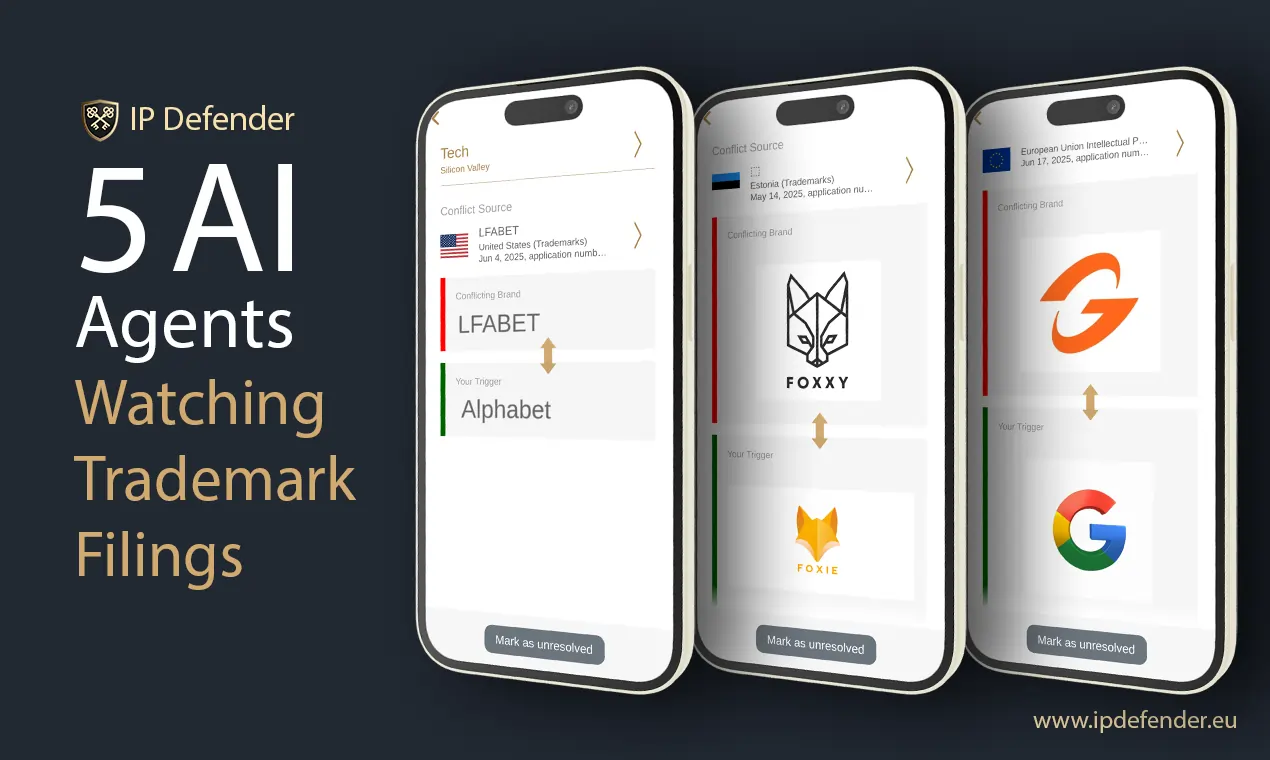
- تخفيض التكاليف القانونية: وفّر على رسوم المحامين من خلال كشف التعديات مبكرًا خلال ، ما يساعدك على تجنّب الدعاوى القضائية المكلفة.
- محفظة علامات تجارية أقوى: حافظ على محفظة علامات تجارية قابلة للدفاع تعكس الانضباط أمام المستثمرين والمشترين، مما يحمي قيمة علامتك التجارية ويدعم نموها.
- عزز موقفك القانوني: احتفظ بـ شاملة لجهود حماية علامتك التجارية لبناء أساس قانوني متين في حال النزاعات المحتملة.
- اعزز ثقة علامتك التجارية: حافظ على منافسيك ضمن الحدود واحمِ السمعة القيمة لعلامتك التجارية من خلال خدمتنا.
مخاطر عدم مراقبة العلامات التجارية والكشف عن التعديات عليها
- الاندماج والاستحواذ: قد تؤدي الثغرات في محافظ العلامات التجارية إلى مشاكل قانونية بعد الاندماج، مما يثني المشترين أو المستثمرين المحتملين.
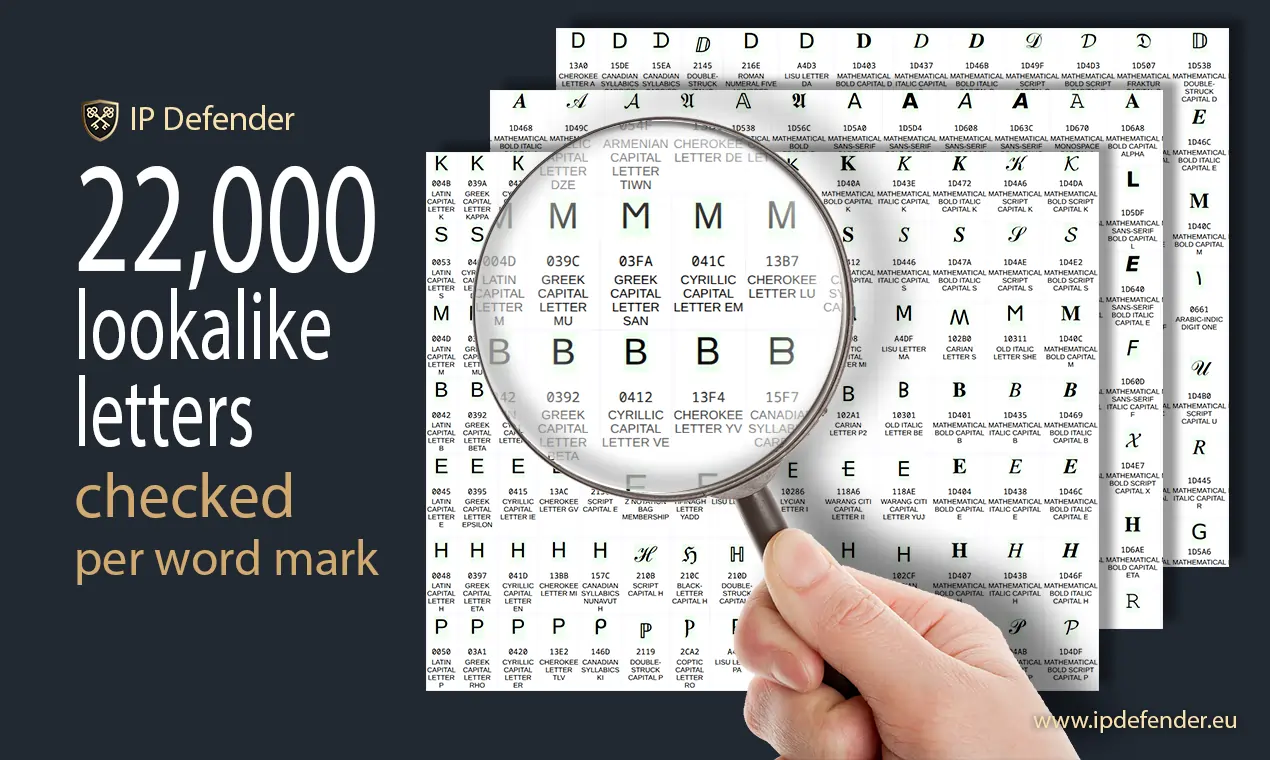
- الإضرار بالسمعة: قد يسجل المعتدون أسماء مشابهة، مما يُربك العملاء ويضر بسمعة علامتك التجارية.
- فقدان الحقوق القانونية: إهمال المراقبة الفعّالة لعلامتك التجارية وإنفاذ حقوقها يُضعف حمايتك القانونية ويعرّضك لخطر .
- مخاطر التعدي العالمية: يمكن للمعتدين تسجيل علامات تجارية في عدة دول دون اكتشاف، مما يعقّد حماية العلامات التجارية على مستوى العالم.
علامتك التجارية هي أهم أصولك
بالنسبة للشركات الناشئة التي تبني قيمتها السوقية، وللمستثمرين الذين يحمون شركات محفظتهم الاستثمارية، فإن حكم قادة الأعمال والسلطات القانونية حاسم: علامتك التجارية هي أصولك الأهم، وحمايتها أمر غير قابل للتفاوض.
علامتك التجارية هي أهم استثمار يمكن أن تقدّمه لمشروعك.
من بين جميع أصول شركتك، تُعد العلامات التجارية بلا منازع الأهم والأصعب حمايةً.
يجب على مالكي العلامات التجارية مراقبة علاماتهم بدقة لمنع التضعيف والانتهاك؛ فإهمال ذلك يعرّضهم لخطر فقدان حقوقهم.
لماذا تختار IP Defender؟
من الشركات الناشئة في مراحلها الأولى إلى شركات النمو المدعومة من المستثمرين، تقدّم خدمة IP Defender حمايةً مؤسسية للعلامات التجارية بأسعار تناسب الشركات الناشئة.
- خبرة مُجرَّبة: موثوقون منذ عام 2015، طوّرنا خوارزمياتنا لنقدّم دقة لا تُضاهى في مراقبة العلامات التجارية.
- وصول عالمي: مراقبة شاملة ومستمرة عبر أكثر من 40 دولة لحماية علامتك التجارية عالمياً.
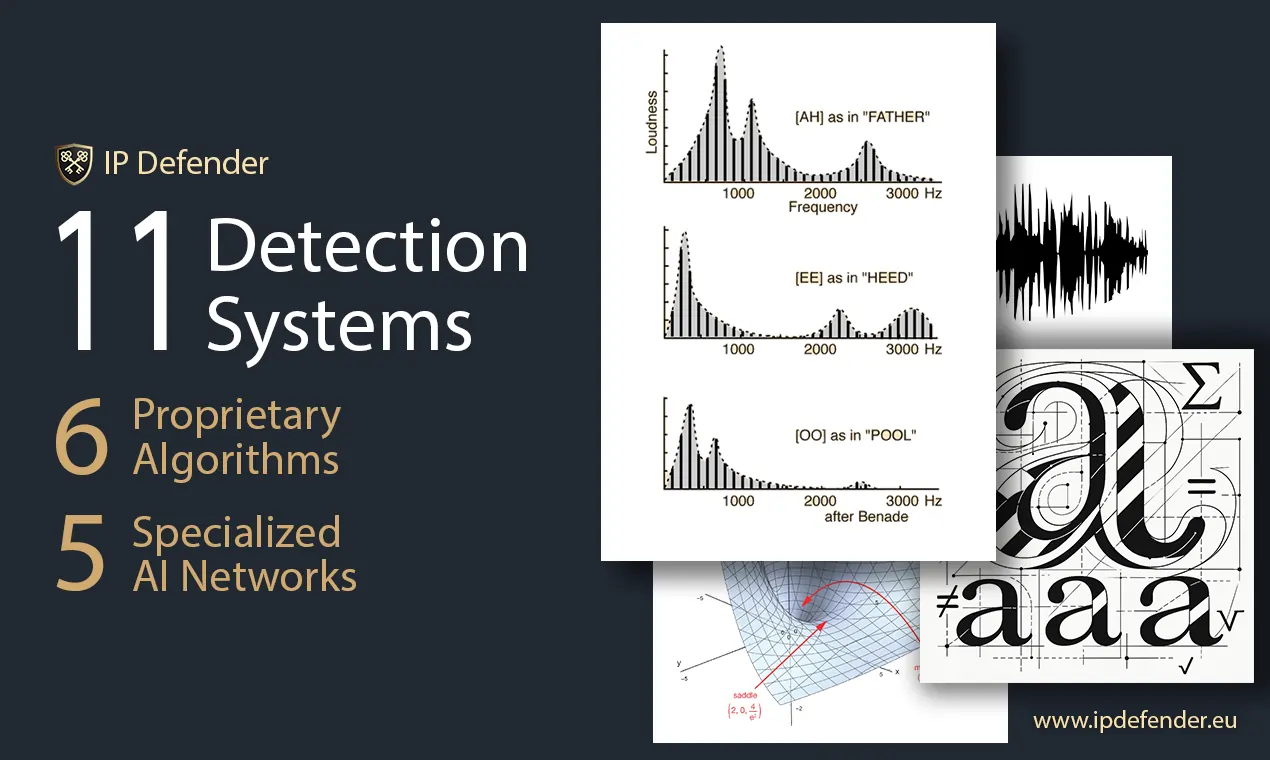
- تقنية متطورة: تتفوق خوارزمياتنا الحصرية والذكاء الاصطناعي على الأدوات الأخرى، مما يضمن حماية دقيقة للعلامات التجارية.
- موارد مخصّصة: مدعومة بأحدث أجهزة الذكاء الاصطناعي من NVIDIA، نقدّم نتائج متميزة بتكاليف تنافسية.
- موثوق به من قبل المحترفين: تعتمد الشركات علينا في مراقبة العلامات التجارية بشكل موثوق وفعّال واستباقي.
أحدث الأخبار
أكّدت دائرة الاستئناف الرابعة أمرًا قضائيًا تمهيديًا ضد مستوردي الأدوية المتوازية التابعين لشركة غيلياد ساينسز، موضحة أن أدوية فيروس نقص المناعة البشرية (HIV) المستوردة من الخارج دون ملصقات تُعدّ سببًا للمسؤولية عن انتهاك العلامة التجارية بموجب قانون لانهام. وقد طبّقت المحكمة مبدأ «الاختلافات الجوهرية»، وخلصت إلى أن حذف التحذيرات والمعرّفات المخصّصة للسوق الأمريكية يجعل السلع غير أصلية، بغض النظر عن التكافؤ الكيميائي. بالإضافة إلى ذلك، واجه مقدّمو الخدمات مسؤولية مساهمة؛ إذ إن العلم البنّاء بوجود تفاوتات في الملصقات يكفي لإثبات وقوع الانتهاك. ويُرسّخ هذا السوابق القضائية حقيقة أن فجوات مراقبة الجودة وتسهيل الأطراف الثالثة تعرّض الشركات لمخاطر قانونية جسيمة عند تجاوز بروتوكولات السلامة المحلية.
تُدخل إصلاحات قانون العلامات التجارية في الصين لعام 2026 عقوبات أشد على طلبات التسجيل بسوء نية، وتوسّع نطاق الحماية للعلامات التجارية غير المسجّلة ذات الشهرة الواسعة، ما يشير إلى احتمال نهاية الاعتماد على محافظ الدفاع الضخمة. وينصح الخبراء باتباع استراتيجية انتقالية بدلاً من التخلي الفوري عن هذه الدروع الوقائية. وتتطلّب حماية أشكال المنتجات تسجيل براءات تصميم موازية وتقديم أدلة على المنافسة غير المشروعة، بينما يتوجّب على العلامات التجارية الغربية إثبات شهرتها العالمية ببيانات السوق المحلية للاستفادة الفعّالة من المعايير القانونية الجديدة.
يكشف ملف اتحادي عن نزاع معقّد حول العلامة التجارية "KITTYSAURUS" بين كايل وايناندي وشركة يوفوريك براذرز المحدودة. فبينما يمتلك وايناندي تسجيلًا للعلامة منذ عام 2013 يخص القرطاسية والروايات المطبوعة، استخدمت شركة يوفوريك براذرز الاسم في عام 2023 لمنتجات الألعاب والمشتريات داخل التطبيق ضمن لعبة "Garten of Banban". تُبرز هذه القضية المخاطر الحرجة في قانون الملكية الفكرية المعاصر، حيث يُسبب التداخل بين الفئات مثل الألعاب الرقمية والألعاب المادية حالة من اللبس. ويؤكد هذا النزاع على الحاجة الملحة إلى خدمات مراقبة العلامات التجارية المستمرة وإجراء البحث في العلامات التجارية بشكل شامل لتجنب دعاوى انتهاك العلامة التجارية المكلفة عبر فئات السوق المتوسعة.
ابتداءً من 1 سبتمبر 2026، تطلب روسيا التحقق الإلزامي من الهوية عبر بوابة "غوسوسلوغي" لجميع نطاقات .ru و.рф و.su. وتواجه الكيانات الأجنبية التي لا تمتلك وجودًا قانونيًا محليًا أو حسابات بنكية روسية استبعادًا فعليًا من إدارة هذه الأصول الرقمية. ويؤدي عدم إتمام التحقق إلى انتهاء صلاحية النطاق واحتمال خسارته لصالح المنافسين أو محتجزي النطاقات (cybersquatters) بعد انتهاء المدة الحالية. ويجب على الشركات الدولية التحرك فورًا لتخفيف هذا الخطر. وتشمل الاستراتيجيات可行的 نقل الملكية إلى فروع روسية قائمة، أو الاستعانة بخدمات أوصياء محليين لضمان الامتثال، أو نقل الخدمات إلى مناطق دولية مثل .com قبل الموعد النهائي. ويُبرز هذا التحوّل التنظيمي هشاشة الاعتماد على نطاقات المستوى الأعلى الخاصة بالبلدان في المناطق الحساسة جيوسياسيًا دون بنية تحتية محلية قوية.
أبطلت محكمة النقض التركية العلامة "RIANNA" لصالح ريهانا، مؤكّدة أن حماية العلامة التجارية تشمل التشابه البصري والصوتي وليس التطابق الحرفي فقط. ويشدّد الحكم على ضرورة تقييم العلامات بشكل شمولي لمنع تضليل المستهلكين. كما يبرز كيف يدعم الشهرة العالمية إنفاذ الحقوق محليًا بموجب قانون الملكية الصناعية في تركيا. وعلى الشركات مراقبة العلامات التجارية لاكتشاف العلامات المشابهة والتحرّك مبكرًا لحماية قيمة علامتها التجارية من أي اختلافات طفيفة.
قضت دائرة الاستئناف التاسعة لصالح شركة VIP Products، رافضةً دعوى جاك دانيلز التي زعمت أن لعبة "باد سبانيلز" قد شوهت سمعة العلامة التجارية. ويُرسّخ هذا الحكم معيارًا إثباتيًا أعلى للمدّعين، حيث يتطلب إثبات شهرة علامات تجارية محددة وأدلة ملموسة على الضرر الذي لحق بالسمعة فيما يتصل بمنتج معين، عوضًا عن الاعتماد على نظريات عامة في سلوك المستهلك. والأهم من ذلك، فقد قررت المحكمة أن المحاكاة الساخرة الواضحة تزيد من عبء الإثبات الواقع على المدّعي، إذ إن المستهلكين غالبًا ما يدركون الطابع الفكاهي ولا يربطون السخرية بالعلامة التجارية الأصلية.
أبطلت محكمة كازاخية تسجيل علامة "PREMIER" التجارية، rulings بأن عبد النبي رحمانكولوف تصرف بسوء نية باستخدام حقوقه لتعطيل سلاسل التوريد المشروعة. ويؤكد هذا القرار أن التسجيل الرسمي لا يضمن حماية العلامة التجارية إذا كان الحصول عليها أو إنفاذها ينتهك مبادئ الإنصاف.
أمرت هيئة تحكيم بنقل نطاق www.runwaycatalog.in إلى شركة 9562532 Canada Inc.، مؤكّدة أن أسماء النطاقات ذات الرموز القطرية (ccTLDs) لا تنفي وقوع انتهاك للعلامة التجارية. ويؤسّس هذا القرار على أن الاستمرار في تسجيل اسم مُنتهِك يُعدّ «خطأً مستمرًّا»، ما يتجاوز دفوع التقادم. ويُخفّض هذا الحكم أعباء الإثبات على مقدّمي الشكاوى، موضحًا أن السجلات الإلكترونية كافية لإثبات سوء النية في احتكار الأسماء عبر الإنترنت (cybersquatting).
اعتمدت الأرجنتين لوائح جديدة لتبسيط نقل حقوق الملكية الفكرية بشكل كبير، بما يتوافق مع أفضل الممارسات العالمية في الإجراءات الإدارية. فقد ألغت المعهد الوطني للملكية الصناعية (INPI) المتطلبات الدبلوماسية المرهقة للكيانات الأجنبية، وأزالت شرط المصادقة (الأبوستيل) والتصديق القنصلي على الوثائق الصادرة خارج البلاد. ويوضح الإطار الجديد أن نقل الملكية يبدأ مفعوله من تاريخ تقديم الطلب وليس من تاريخ الموافقة النهائية، ما يتيح إنفاذًا أسرع وتثبيتًا للحقوق. كما يسمح النظام لأي من الطرفين ببدء عملية التسجيل وتقديم الطلبات رقميًا عبر بوابة إلكترونية. ويقلل هذا التحول من العقبات البيروقراطية، لكنه يستدعي قيام الشركات بتنفيذ مراقبة فعّالة للعلامات التجارية لتتبّع التغيرات السريعة في الملكية أثناء إعادة الهيكلة المؤسسية.
قانون العلامات التجارية المُحدَّث في الصين، الساري اعتبارًا من 1 يناير 2027، يُعيد هيكلة حقوق الملكية الفكرية جذريًّا عبر إعطاء الأولوية للاستخدام التجاري الفعلي بدلًا من مجرّد التسجيل. تفرض هذه الإصلاحات غرامات مالية على طلبات التسجيل سيّئة النية، وتُقلّص مهلة الاعتراض على العلامة التجارية من ثلاثة أشهر إلى شهرين، وتعترف بالأنشطة الرقمية كاستخدام صحيح للعلامة التجارية. ومن بين الأحكام الرئيسية: توسيع نطاق الحماية عبر الفئات للعلامات التجارية المشهورة غير المسجّلة، ومساواة أرباح المُعتدي في حسابات التعويضات، وتشديد متطلبات الامتثال على وكالات العلامات التجارية. وعلى الشركات العالمية تحديث أنظمة مراقبة العلامات التجارية ومراجعة محافظها لضمان التوافق مع هذه المعايير الجديدة الصارمة.
فهم نافذة الاعتراض
عندما يتقدّم شخص بطلب لتسجيل علامة تجارية، تفتح فترة زمنية وجيزة جدًا تُعرف بـ"فترة الاعتراض". وخلال هذه الفترة، يحق لأي طرف يعتقد أن العلامة التجارية الجديدة قد تضرّ بأعماله أو تتعارض مع علامته التجارية القائمة (سواء كانت مسجّلة أم غير مسجّلة) تقديم اعتراض لمنع تسجيلها.
تتمثل ميزة تقديم الاعتراض في كونه أسرع وأقل تكلفةً وأكثر وضوحًا من انتظار اكتمال تسجيل العلامة التجارية ثم محاولة شطبها لاحقًا. فبمجرد تسجيل العلامة، يتطلّب الشطب إجراءات قانونية منفصلة أطول زمنًا، وأعلى تكلفةً، وأصعب في النجاح.
لماذا يُعدّ حفظ السجلات أمراً جوهرياً لحماية علامتك التجارية
يُعدّ الاحتفاظ بسجلات مفصلة لجهود حماية علامتك التجارية أمرًا بالغ الأهمية، لأن القانون يتطلب إثباتًا على استخدامك للعلامة التجارية والدفاع عنها للحفاظ على حقوقك الحصرية.
في حال رفع النزاع إلى المحكمة، يعتمد القضاة على هذه الأدلة – مثل شهادات التسجيل، وجهود المراقبة، وسجلات المبيعات، وإجراءات الإنفاذ – لتأكيد ملكيتك للعلامة التجارية وتحديد ما إذا كان هناك انتهاك لحقوقك. بدون التوثيق المناسب، يصبح إثبات حقوقك أمرًا بالغ الصعوبة، مما يعيق قدرتك على وقف التعديات أو المطالبة بالتعويضات. يستند هذا المتطلب إلى قوانين العلامات التجارية التي لا تمنح الحماية إلا عندما يستخدم صاحب العلامة علامته ويدافع عنها بفعالية. يعزز هذا السجل الوثائقي موقفك ويسهّل عليك مواجهة أي نزاعات والدفاع عن علامتك التجارية، سواء أمام المحكمة أو خلال المفاوضات.
يوفر لك استخدام خدمات مراقبة IP Defender سجلاً موثوقاً ومنظماً لأنشطة حماية علامتك التجارية.
لماذا يجب عليك الحفاظ على حقوق علامتك التجارية بشكل نشط؟
لا يكفي مجرد تسجيل العلامة التجارية؛ بل يجب على المالكين حماية علامتهم التجارية بشكل استباقي للحفاظ على حقوقهم الحصرية.
يتطلب قانون العلامات التجارية من أصحاب العلامات حماية علاماتهم التجارية بشكل نشط. وهذا يعني المراقبة المستمرة للكشف عن أي استخدامات غير مصرح بها أو لعلامات مشابهة لدرجة التضليل، وإنفاذ حقوقكم ضد المعتدين، والحفاظ على حضوركم وسمعتكم في السوق.
إذا أهملت هذه المسؤوليات، فقد يُلغى تسجيل علامتك أو يُعتبر مهجوراً، مما يفقدك الحقوق الحصرية والحماية.
قبل إلغاء أو تقييد حقوق العلامة التجارية، تقوم المحاكم ومكاتب العلامات التجارية بتقييم ما إذا كان مالك العلامة قد استخدمها وراقبها وحماها بشكل فعال وفقًا للمتطلبات القانونية.